Vietnam tragedy: Day after death of 15 Indians, speedboat captain held
Source Entity
Agencies
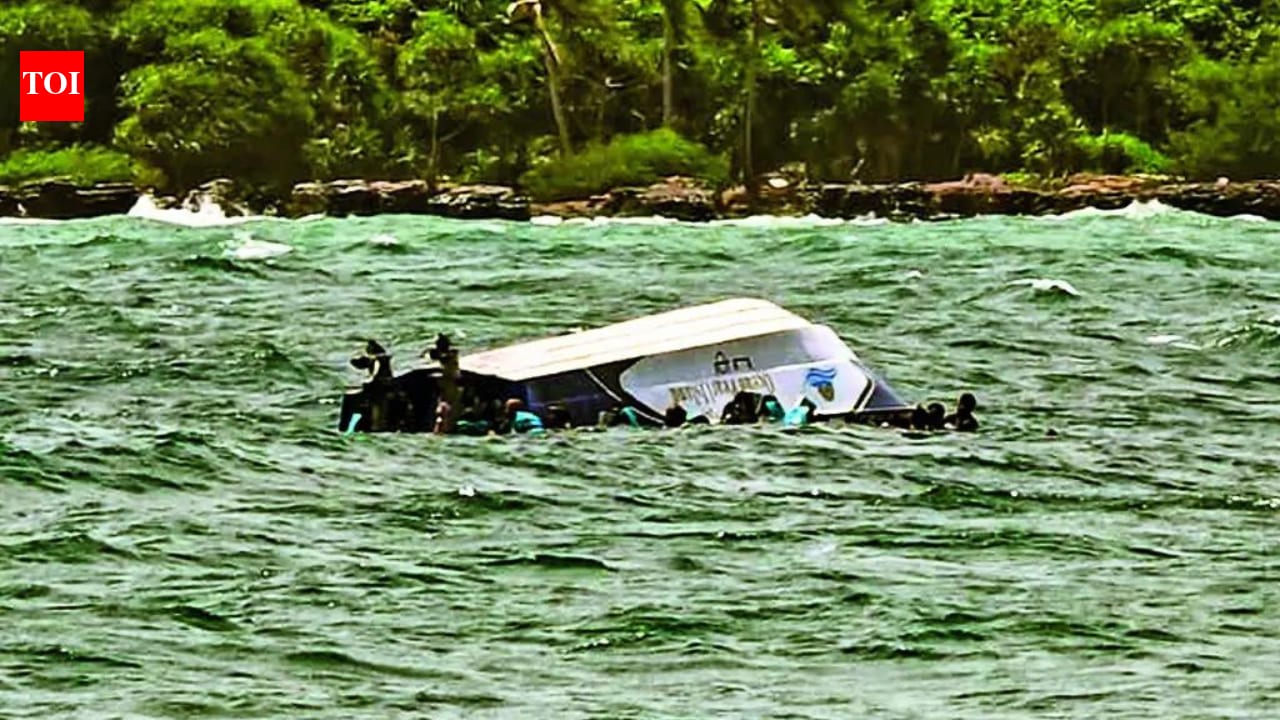
Vietnamese police arrested the speedboat captain after the vessel capsized near Phu Quoc island. Fifteen Indian tourists tragically died when the boat overturned in rough seas on Saturday. Rescuers recovered twenty-one individuals from the water, and authorities are investigating the incident. The remains of the deceased Indians have reached Ho Chi Minh City for repatriation. Most rescued Indian tourists are returning home, while one remains hospitalized.
Tragedy at Sea: Analysis of the Phu Quoc Speedboat Disaster
Introduction A devastating maritime accident near Phu Quoc island, Vietnam, has resulted in the loss of 15 Indian lives, sparking an urgent investigation into safety protocols and maritime negligence. The incident, which occurred when a speedboat capsized in rough seas, underscores the inherent risks associated with high-speed tourist excursions in volatile weather conditions. The swift arrest of the vessel's captain indicates that Vietnamese authorities are treating the event as a potential case of criminal negligence, focusing on whether safety warnings were ignored or vessel capacity was exceeded.
The Mechanics of the Incident and Immediate Response
The capsizing of the vessel occurred during a period of rough seas, a common occurrence in the Gulf of Thailand and surrounding waters during seasonal shifts. When a speedboat overturns, the window for rescue is incredibly narrow due to the speed of the sink and the potential for passengers to be trapped under the hull or swept away by currents. The rescue operation managed to recover twenty-one individuals, showcasing a coordinated effort by local emergency services. However, the high fatality rate—15 deaths—suggests a catastrophic failure in either the vessel's stability or the availability and deployment of life-saving equipment such as life jackets.
Legal Accountability and the Arrest of the Captain
By arresting the speedboat captain immediately following the tragedy, the Vietnamese police have signaled a move toward strict accountability. In maritime law, the captain holds the ultimate responsibility for the safety of the passengers and the decision to sail. Investigators will likely scrutinize the weather forecasts available at the time of departure and whether the captain knowingly ventured into dangerous waters. This legal action is critical not only for justice for the victims' families but also as a deterrent to other tour operators who may prioritize profit and itinerary adherence over passenger safety.
Repatriation and Diplomatic Implications
The logistical process of moving the remains of the deceased to Ho Chi Minh City for repatriation highlights the complex diplomatic coordination required during international tragedies. The Indian consulate and Vietnamese authorities must work in tandem to handle forensic identification and the transport of bodies across borders. Such incidents often put a spotlight on the bilateral cooperation between India and Vietnam, particularly in the realm of tourism. The prompt handling of the survivors' return and the repatriation of the deceased is essential to maintaining trust in the region's hospitality infrastructure.
Broader Implications for Southeast Asian Tourism
Phu Quoc is one of Vietnam's premier tourist destinations, and an event of this magnitude can have a chilling effect on the local tourism economy. This tragedy reflects a broader challenge faced by many Southeast Asian nations: balancing the rapid growth of the tourism sector with the implementation of rigorous safety standards. The reliance on small-scale, private speedboat operators often leads to a gap in oversight, where safety checks may be superficial. This event will likely trigger a call for more stringent certification for tour operators and mandatory weather-monitoring protocols before any vessel leaves the harbor.
Future Trends and Safety Predictions
Moving forward, it is expected that the Vietnamese government will introduce stricter maritime regulations for tourist vessels, potentially including mandatory GPS tracking and real-time communication requirements with coast guard stations. There may also be a shift toward using larger, more stable catamarans for tourist transport rather than high-speed boats, which are more prone to capsizing in choppy waters. For Indian travelers, this tragedy may lead to an increase in demand for insured and accredited tour agencies that provide documented safety guarantees.
Conclusion The Phu Quoc speedboat tragedy is a sobering reminder of the fragility of life during leisure travel and the critical importance of maritime safety. While the arrest of the captain provides a path toward legal accountability, the lasting impact will be the loss of 15 lives. The recovery of the survivors and the repatriation of the deceased mark the end of the immediate crisis, but the long-term necessity remains: a complete overhaul of safety audits for tourist vessels in the region to ensure such a tragedy never recurs.