Vietnam boat tragedy eyewitnesses claim crew negligence, treatment delays
Source Entity
VENU LANKA AND NIRUPA VATYAM
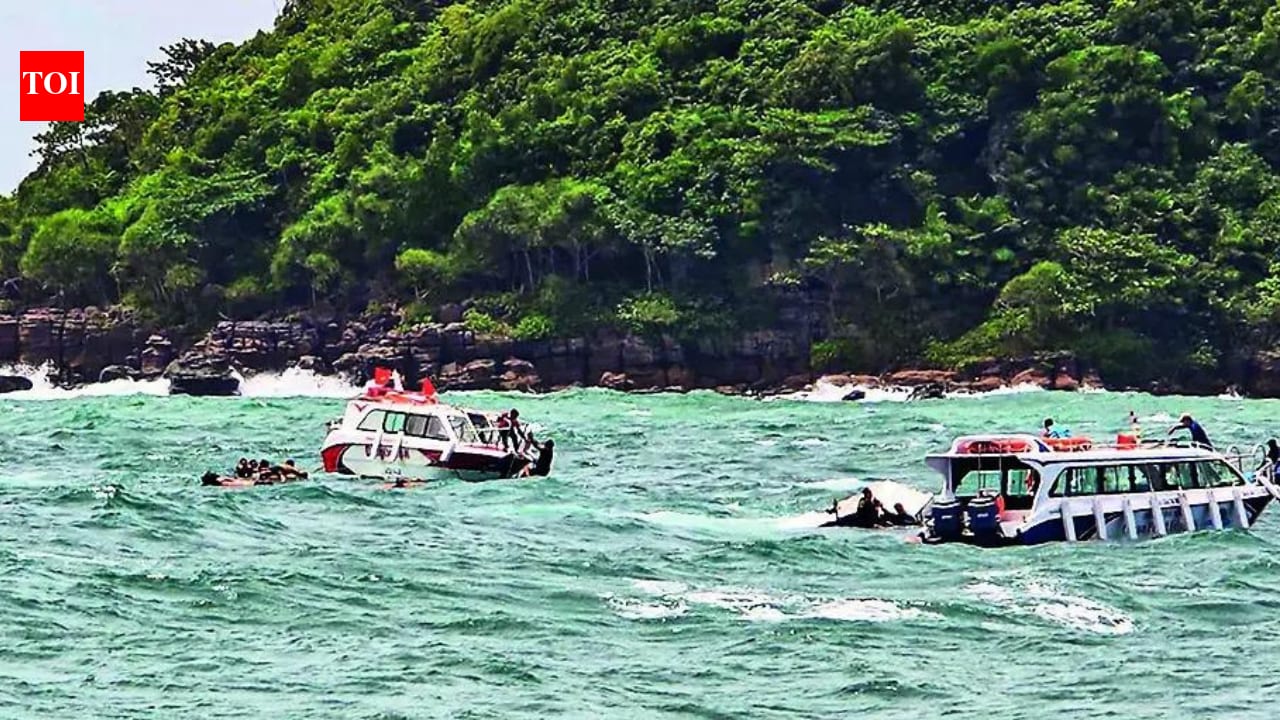
Eyewitnesses blamed crew negligence and delayed medical care for the Vietnam boat disaster. Rough seas and gusty winds caused the speedboat to overturn within seconds. Many tourists drowned while trapped beneath the capsized vessel despite wearing life jackets. Rescue boats arrived nearly three hours later, and emergency treatment was delayed. Authorities have not yet responded to the allegations made by survivors.
Tragedy in Vietnamese Waters: Analyzing Allegations of Negligence
An alarming maritime disaster in Vietnam has sparked intense scrutiny and outrage as survivors come forward with harrowing accounts of the events leading up to and following a speedboat capsize. The incident, triggered by sudden rough seas and gusty winds, resulted in a rapid overturning of the vessel, leaving tourists fighting for survival in a chaotic environment. While the immediate cause appears to be environmental, the focus has shifted toward the human element—specifically the alleged negligence of the crew and the systemic failure of the rescue operation.
The Paradox of Safety Equipment
One of the most distressing aspects of this tragedy is the report that many victims were wearing life jackets yet still drowned. This highlights a critical failure in emergency protocols; the speed of the capsize likely trapped passengers beneath the hull of the vessel. In maritime safety, the presence of a life jacket is only one part of the equation; the ability to egress the vessel quickly is what determines survival. The fact that tourists remained trapped suggests a lack of proper evacuation training by the crew or a failure to maintain clear exits, turning safety equipment into a secondary concern against the physical entrapment caused by the boat's design and the speed of the accident.
Critical Failures in Emergency Response
Perhaps the most damning allegation is the reported three-hour delay in the arrival of rescue boats. In maritime emergencies, the 'golden hour' is a well-known concept where rapid intervention significantly increases the probability of survival, especially in cases of drowning or hypothermia. A three-hour gap between the incident and the arrival of help is an eternity in a life-or-death situation. This delay suggests a catastrophic breakdown in communication between the vessel and shore-based authorities, or a lack of adequate patrol presence in a high-traffic tourist zone, raising questions about the region's emergency readiness.
Broader Implications for Vietnam's Tourism Sector
This event occurs against the backdrop of Vietnam's rapidly expanding tourism industry, which has seen a surge in high-speed water excursions. Often, rapid growth in tourism leads to a 'regulatory lag,' where the number of operators increases faster than the government's ability to enforce strict safety standards. The allegations of crew negligence suggest a potential trend of under-trained staff operating high-powered vessels in unpredictable weather conditions. If these claims are proven, it indicates a systemic issue where profit and efficiency are prioritized over passenger safety.
Legal and Regulatory Forecast
Moving forward, this tragedy is likely to catalyze a push for more stringent maritime laws within Vietnam. We can expect a shift toward mandatory real-time GPS tracking for all tourist vessels and more rigorous certification requirements for crews. The silence of the authorities thus far may be a result of ongoing internal investigations, but the public pressure from survivors will likely force a transparent inquiry. Legal repercussions for the operating company could be severe, potentially leading to the revocation of licenses and heavy financial penalties to compensate the victims' families.
Conclusion: A Call for Accountability
In summary, while the weather provided the catalyst for the disaster, the eyewitness accounts point to a series of preventable failures. From the failure to ensure safe egress to the inexcusable delay in rescue efforts, the tragedy serves as a grim reminder of the dangers of maritime negligence. The ultimate resolution of this event will depend on whether the authorities hold the crew and operators accountable or allow the incident to be dismissed as an unavoidable 'act of God.'