'To hold Iranian forces accountable': US launches fresh strikes on Iran as tensions flare
Source Entity
TOI WORLD DESK
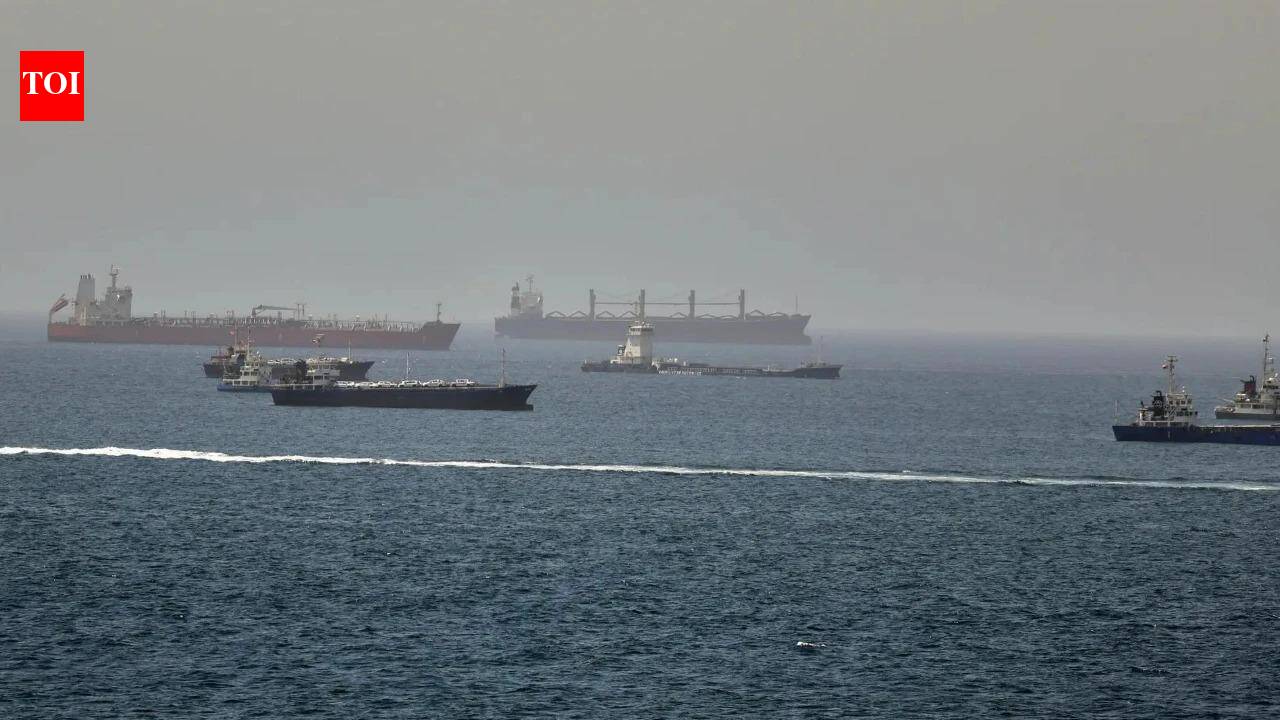
United States forces conducted new strikes against Iran early Monday morning. These operations aimed to degrade Iran's capability to attack commercial shipping vessels. Iran reported explosions in southern provinces and condemned the United States' actions. The Strait of Hormuz remains a central point of ongoing conflict and tension. Diplomatic efforts between the two nations have reportedly collapsed following recent incidents.
Escalation in the Persian Gulf: US Strikes Target Iranian Capabilities
In a significant escalation of geopolitical tensions, United States forces conducted a series of targeted strikes against Iranian positions early Monday morning. These operations were explicitly framed as a measure to hold Iranian forces accountable and, more critically, to degrade Iran's operational capacity to launch attacks against commercial shipping vessels. The strikes, which reportedly hit targets in Iran's southern provinces, signal a shift from diplomatic maneuvering to direct kinetic action in one of the world's most volatile regions.
The Strategic Importance of the Strait of Hormuz
At the heart of this conflict lies the Strait of Hormuz, a narrow waterway that serves as the primary artery for global oil shipments. Because a vast portion of the world's petroleum passes through this choke point, any threat to commercial shipping has immediate and severe implications for global energy markets and international trade. By targeting the infrastructure used to harass or attack tankers, the US is attempting to secure a critical economic lifeline, treating the security of the Strait not merely as a regional issue, but as a matter of global economic stability.
Degrading Asymmetric Capabilities
The US objective to "degrade capability" suggests a focus on asymmetric warfare assets. Iran has historically utilized fast-attack craft, naval mines, and shore-based missile batteries to project power and threaten maritime traffic. The strikes in the southern provinces likely targeted these specific assets—radar installations, command-and-control centers, or missile launch sites—to reduce Iran's ability to conduct surprise raids on commercial vessels. This strategy is designed to raise the cost of Iranian aggression while attempting to avoid a full-scale conventional war.
The Collapse of Diplomatic Channels
Perhaps the most alarming aspect of this development is the reported collapse of diplomatic efforts between Washington and Tehran. For years, the two nations have engaged in a precarious cycle of sanctions and clandestine negotiations. The failure of these channels suggests that both sides have reached a deadlock where rhetoric has been replaced by military action. When diplomatic off-ramps disappear, the risk of miscalculation increases exponentially, as military strikes are often interpreted not as limited deterrents but as precursors to broader conflict.
Iranian Response and Regional Volatility
Iran has already condemned the strikes and reported explosions across its southern provinces, indicating that the US operations were successful in hitting their intended targets. The Iranian government's reaction typically follows a pattern of public condemnation followed by strategic retaliation, which could manifest as cyberattacks, proxy actions in neighboring countries, or further maritime harassment. The volatility of the region is now at a peak, as local actors and global powers watch to see if this will lead to a sustained military campaign or a forced return to the negotiating table.
Conclusion and Future Outlook
This latest round of strikes underscores the fragile nature of security in the Persian Gulf. While the US aims to protect commercial shipping and hold Iranian forces accountable, the immediate future remains uncertain. The critical question is whether these strikes will serve as a successful deterrent or if they will trigger a cycle of escalation that disrupts global oil supplies. Until a new diplomatic framework is established, the Strait of Hormuz will remain a dangerous flashpoint, with the potential to ripple through the global economy.