Hormuz crisis: Iran hit triggers fears of fuel supply disruption
Source Entity
TNN
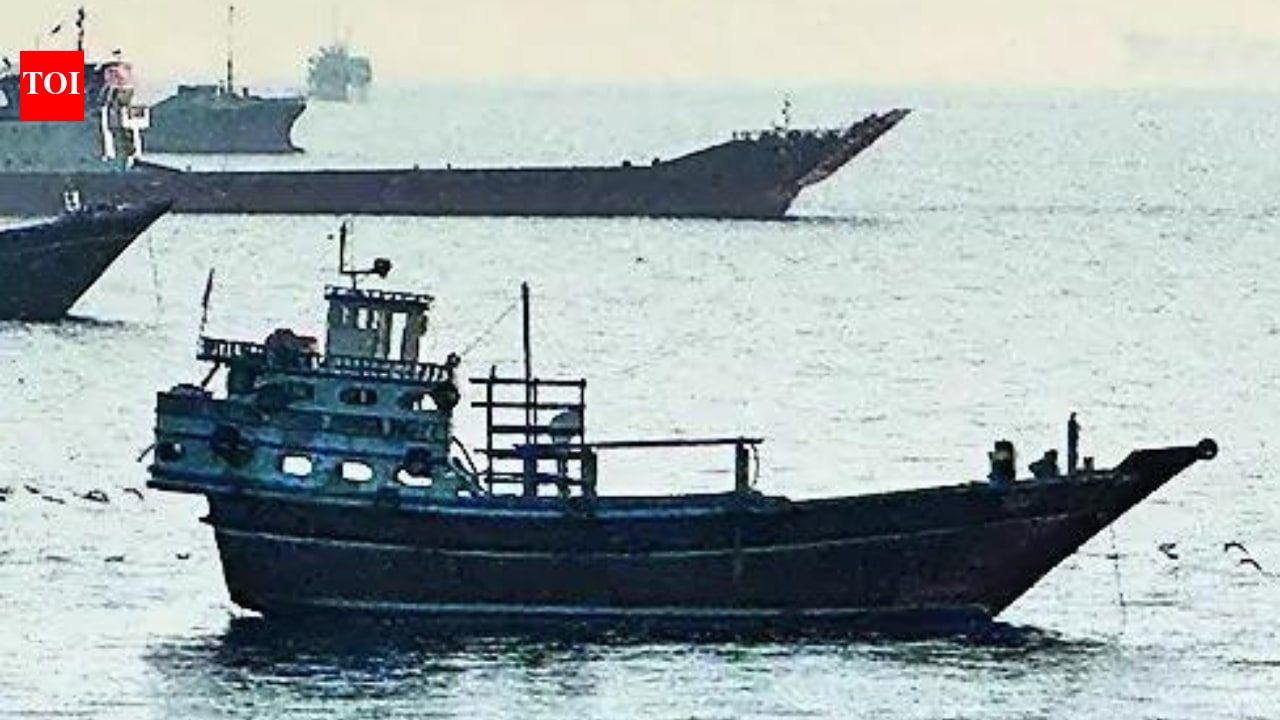
An Iranian attack on a ship with Indian crew has heightened concerns. This incident raises worries about fuel and fertilizer supply disruptions. Indian authorities are closely monitoring the situation and seafarer advisories. The flare-up delays any plans for new ship movements from India. India has sufficient crude oil stocks and is monitoring global prices.
The Hormuz Crisis: Analyzing the Impact of Iranian Maritime Aggression
Recent reports of an Iranian attack on a vessel manned by an Indian crew have reignited fears regarding the stability of the Strait of Hormuz, one of the world's most critical maritime chokepoints. The incident has immediately shifted the focus of Indian authorities toward the vulnerability of its shipping lanes and the safety of its seafarers. This flare-up is not merely a localized skirmish but a significant geopolitical event that threatens to disrupt the flow of essential commodities, specifically fuel and fertilizers, which are vital for India's economic stability and food security.
The Strategic Vulnerability of the Strait of Hormuz
To understand the gravity of this event, one must consider the geographic importance of the Strait of Hormuz. As the only sea passage from the Persian Gulf to the open ocean, it serves as the primary artery for the global export of oil and liquefied natural gas (LNG). Any military action or instability in this region creates an immediate 'risk premium' in global energy markets. For India, which relies heavily on Middle Eastern crude, an Iranian-led disruption in this corridor could lead to volatility in oil prices, potentially triggering inflationary pressures across the domestic economy.
Implications for India's Energy and Agricultural Security
The specific mention of fertilizer supply disruptions highlights a critical vulnerability in India's agricultural supply chain. India is a major importer of phosphates and potash, often routed through these volatile waters. A prolonged crisis in the Hormuz region could lead to shortages of these essential inputs, potentially impacting crop yields and threatening food security. The intersection of energy and agricultural dependencies makes the current tension a high-stakes issue for the Indian government, necessitating a delicate balance between diplomatic engagement and strategic caution.
India's Tactical Response and Risk Mitigation
In response to the attack, Indian authorities have implemented a series of precautionary measures, including the issuance of seafarer advisories and the suspension of new ship movements toward the affected zone. These steps reflect a 'safety-first' approach to protect human life and maritime assets. Furthermore, the assertion that India maintains sufficient crude oil stocks suggests a reliance on its Strategic Petroleum Reserves (SPR) to buffer against short-term supply shocks. This strategic cushioning is essential to prevent immediate fuel shortages while the government monitors the escalation of the conflict.
Economic Ripples and Global Price Volatility
Beyond the immediate physical threat to ships, the psychological impact on the markets is profound. The global oil market reacts sharply to any perception of a supply bottleneck in the Gulf. As India monitors global prices, the primary concern is whether this incident will lead to a sustained increase in Brent crude prices. Higher procurement costs for oil can widen the current account deficit and put pressure on the Indian Rupee, demonstrating how a single maritime attack can ripple through the entire macroeconomic framework of a nation.
Conclusion: Navigating a Volatile Maritime Corridor
In summary, the Iranian attack on a ship with an Indian crew serves as a stark reminder of the fragility of global trade routes. While India currently possesses the reserves to weather a brief interruption, the long-term trend suggests a need for greater diversification of energy sources and the exploration of alternative trade corridors to bypass traditional chokepoints. The situation remains fluid, and the resolution will likely depend on the diplomatic efforts of regional powers to ensure the freedom of navigation in the Strait of Hormuz, ensuring that essential supplies of fuel and fertilizer continue to flow without interference.