Airlines waive flight-change fees ahead of nor'easter
Source Entity
US Top News and Analysis
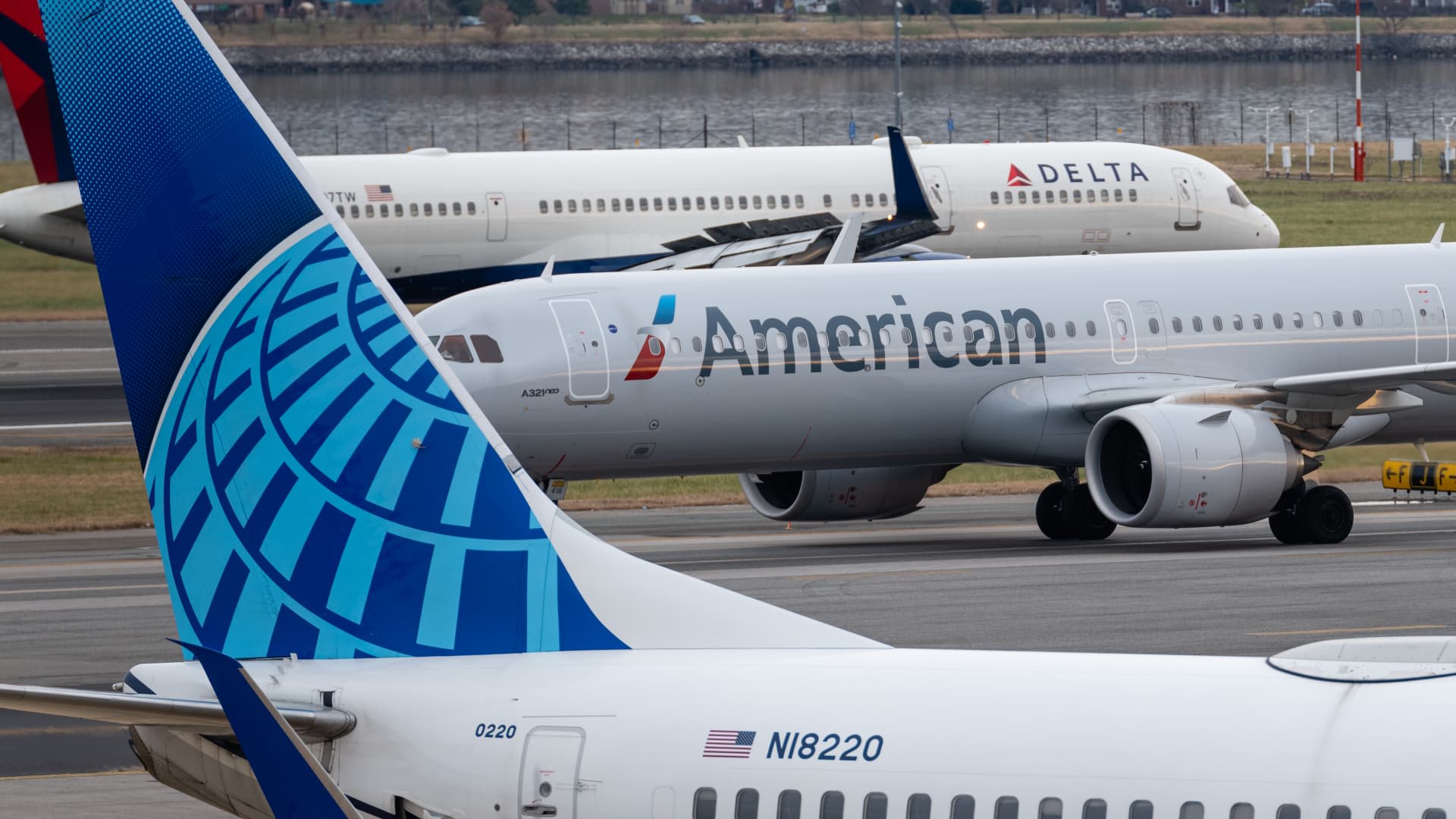
Major U.S. airlines are proactively waiving flight-change fees for passengers traveling through the Northeast this weekend due to an incoming nor'easter. While current disruptions remain minimal, carriers are monitoring the storm's path to decide on potential schedule adjustments.
Proactive Travel Management Amidst Nor'easter Risks
As a significant nor'easter approaches the Northeastern United States, major carriers including American Airlines, United Airlines, and JetBlue Airways have initiated proactive measures to assist passengers. By waiving flight-change fees for travel scheduled from Friday through Sunday, these airlines are allowing customers to adjust their itineraries without the typical financial penalties. This policy covers a wide range of airports, specifically targeting the New York City metropolitan area, Boston, and various smaller regional hubs across New England.
The Current State of Operations
Despite the impending weather system, operational data as of Friday morning indicated that flight disruptions remained minimal. While federal forecasters have issued stern warnings regarding high winds, heavy rainfall, and the risk of dangerous flooding, the aviation sector has not yet seen a widespread collapse of flight schedules. This suggests a period of calm before the potential volatility expected as the storm makes landfall and intensifies over the weekend.
Airline Operational Strategy
In the aviation industry, managing severe weather requires a delicate balance between safety and service reliability. Airlines frequently utilize a strategy of preemptive cancellations when storms reach a certain threshold of intensity, particularly with winter weather or hurricanes. This helps prevent 'displacement,' a scenario where aircraft, crews, and passengers become stranded in locations away from their home bases, which can cause cascading delays that last for days after the weather clears.
Assessing Risk and Future Trends
Currently, carriers are in a state of continuous assessment, monitoring the nor'easter’s path to determine if more aggressive scheduling changes are necessary. The decision to waive fees serves as an early mitigation tool, reducing the number of passengers who would otherwise be stranded at airports if the weather turns severe. This trend of flexible booking policies has become more common post-pandemic, reflecting a shift in how airlines manage customer experience during climate-related disruptions.
Broader Implications of Climate-Related Delays
This event highlights the increasing frequency of extreme weather events impacting critical infrastructure. As meteorologists improve their forecasting capabilities, airlines are better positioned to provide early warnings and flexible options to their customer base. While the current impact is manageable, the potential for dangerous flooding and high winds remains a significant threat to transportation logistics in the densely populated Northeast corridor.
Conclusion
In summary, the current situation remains fluid. While airlines have taken the necessary steps to protect their passengers from financial loss during this weather event, the coming 48 hours will be critical. Travelers should remain vigilant, monitor their specific airline's status updates, and utilize the flexibility granted by these fee waivers to avoid unnecessary travel during the peak of the storm's impact.