‘Work for one day, then get the offer letter’: Kolkata hiring post sparks debate
Source Entity
Latest News: Todays Latest News Headlines from India & World | Hindustan Times | Hindustan Times
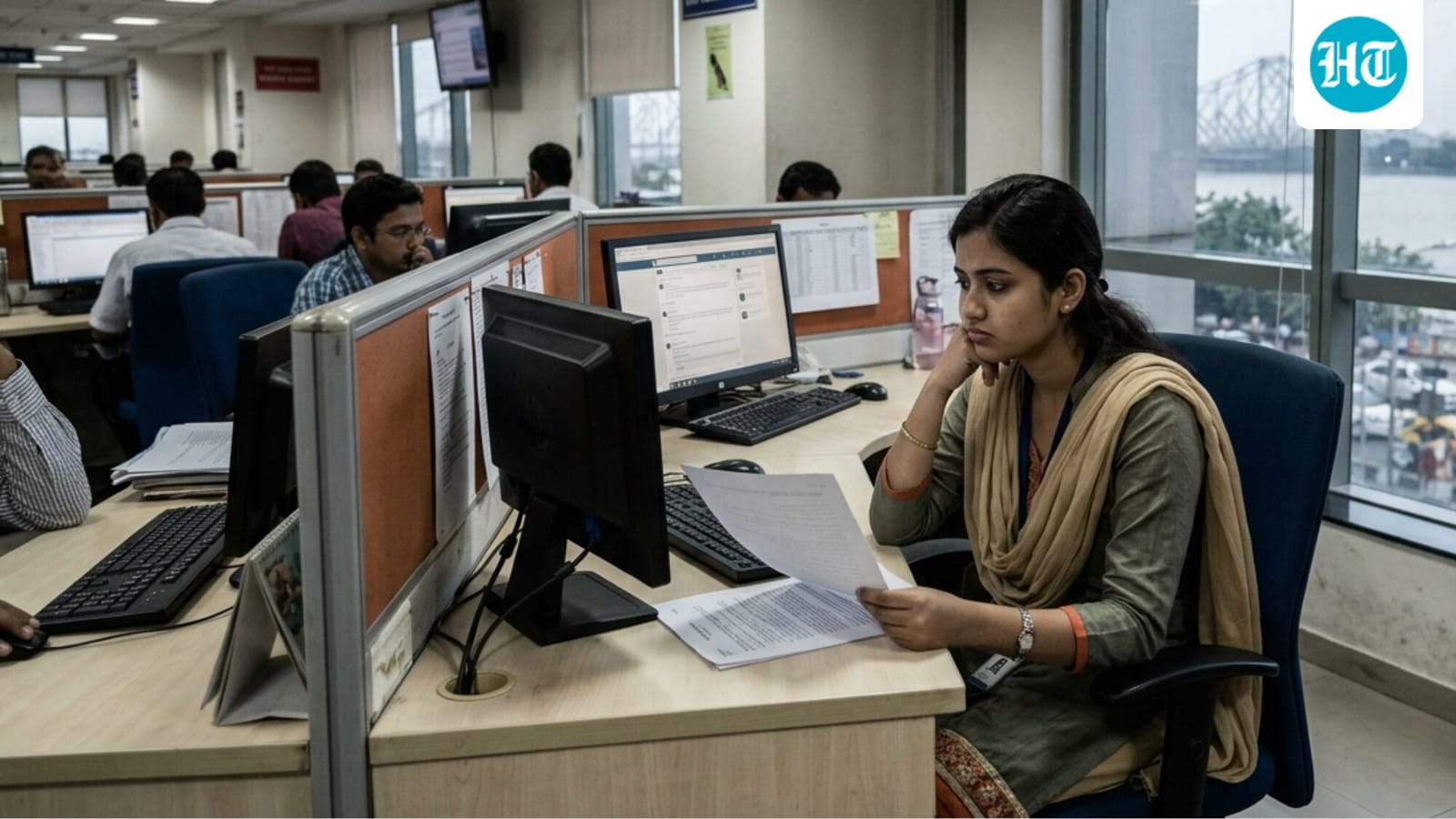
A viral LinkedIn post regarding a Kolkata-based company's hiring practices has ignited a debate on labor ethics. The firm allegedly required a candidate to work for a day before issuing a formal offer letter, raising concerns about professional transparency.
The Ethics of Trial Work: A Kolkata Hiring Controversy
Recent discourse on professional social media platforms has been dominated by a LinkedIn post from Aratrika Manna, detailing a questionable hiring experience in Kolkata. Manna alleged that her sister, despite successfully navigating several rounds of interviews at an established company, was asked to perform a full day of work before receiving a formal offer letter. This incident has ignited a wider conversation regarding the boundaries of pre-employment assessments and the necessity of contractual transparency in the corporate sector.
The Erosion of Hiring Transparency
The core of the controversy lies in the request for labor prior to the issuance of a binding offer. In standard corporate practices, an offer letter serves as the foundational agreement outlining roles, responsibilities, and remuneration. By bypassing this stage and requesting a 'trial' day of labor, companies risk blurring the lines between a legitimate skills assessment and the exploitation of potential employees. Such practices often leave candidates vulnerable, as they perform actual work without the protection of a signed contract or clear indemnity.
Compensation and Working Conditions
Beyond the procedural irregularities, the post highlights deeper grievances regarding the company's employment terms. The candidate reported that the proposed salary was below prevailing market standards. Furthermore, the absence of logistical support—specifically the lack of transport facilities or additional compensation for the rigors of night shift work—suggests a disconnect between the employer's expectations and the current economic realities of the workforce in Kolkata. This combination of low pay and inadequate support infrastructure often signals an organizational culture that may prioritize cost-cutting over employee retention and satisfaction.
The Role of Social Media in Corporate Accountability
This incident serves as a prime example of how digital platforms act as a check on corporate behavior. By sharing these experiences, job seekers are increasingly holding firms accountable for their recruitment practices. When a 'well-known' company is called out for non-standard hiring, the reputational risk can be significant. It forces organizations to reconsider whether their internal processes align with modern expectations of fairness and professional dignity.
Historical Context and Future Trends
Historically, 'trial days' were occasionally used in creative or manual labor sectors to gauge technical proficiency. However, in the modern professional landscape, these practices are increasingly viewed as outdated and potentially exploitative. As the labor market becomes more transparent, companies that fail to provide formal documentation before demanding output will likely face increased scrutiny. Future trends suggest that candidates will demand higher levels of clarity throughout the interview process, and employers who persist in opaque hiring practices may find it increasingly difficult to attract top-tier talent in competitive markets like Kolkata.
Conclusion
The situation described by Aratrika Manna highlights a critical need for standardized recruitment ethics. While companies seek to mitigate risk by vetting candidates, the burden of security should not fall on the job seeker. Ensuring that every 'trial' or 'assessment' is clearly defined, paid, and protected by a formal agreement is essential for maintaining trust in the employer-employee relationship. As the debate continues, it serves as a stark reminder that professional integrity is as much about how a company hires as it is about what it produces.
Verification Required?