‘Breathing shallow’: Aishwarya Rai’s stunt double recalls 150-foot Raavan cliff jump ordeal
Source Entity
The Indian Express
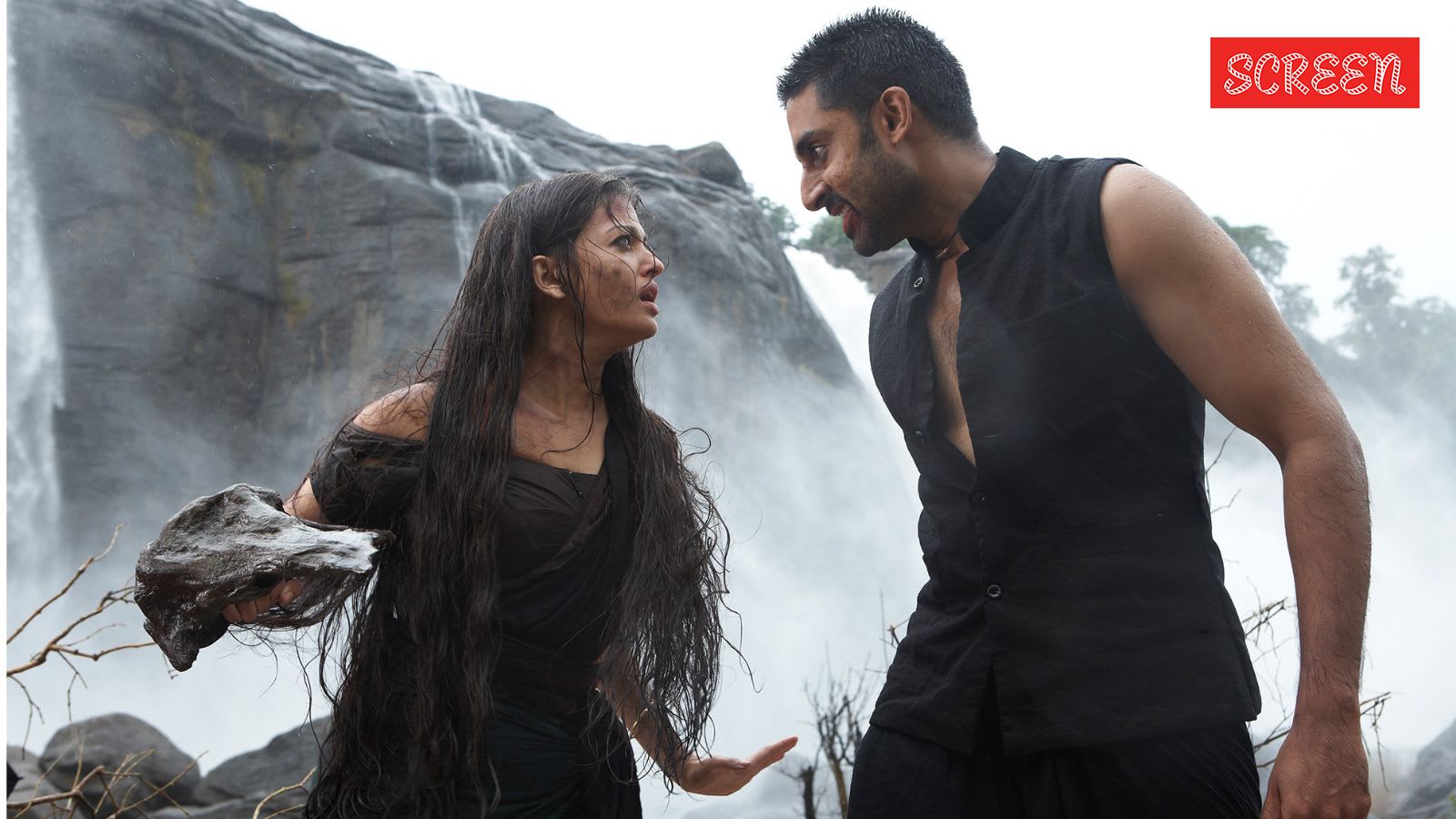
Remember the climax of Raavan, where Aishwarya Rai Bachchan’s character, Ragini, leaps off a towering cliff into a gorge to stop her husband, Dev, from killing her captor, Veera? While the sequence lo...
The Hidden Peril of Cinematic Spectacle: Analyzing the 'Raavan' Cliff Jump
The cinematic world often masks the grueling and dangerous reality of stunt work behind the polished glamour of its lead stars. A recent recollection from Aishwarya Rai Bachchan's stunt double regarding the film Raavan brings this dichotomy into sharp focus. The sequence in question—the climax where the character Ragini leaps from a towering cliff into a gorge to prevent a fatal confrontation between her husband, Dev, and her captor, Veera—is remembered by audiences for its emotional intensity. However, the physical reality for the performer was far more visceral, characterized by a terrifying 150-foot drop and the sensation of "breathing shallow" under extreme pressure.
The Physicality of Fear and the Stunt Double's Ordeal
Performing a jump from such a height is not merely a matter of technique but a battle against the body's natural survival instincts. The stunt double's description of shallow breathing indicates a state of acute stress and hypoxia-like symptoms often associated with extreme heights and adrenaline surges. In the context of Raavan, this jump was designed to be a pivotal moment of sacrifice and desperation. While the audience sees the narrative resolution, the performer experienced a raw, life-threatening ordeal that required immense mental fortitude and a level of trust in the safety rigging that is rarely discussed in promotional movie materials.
The Invisible Labor in Bollywood's High-Stakes Productions
This revelation highlights the "invisible labor" inherent in the Indian film industry. Aishwarya Rai Bachchan, a global icon, provides the face and emotion for Ragini, but the physical risk is outsourced to professionals whose names rarely appear in the headlines. This dynamic underscores a systemic reliance on stunt performers to execute high-risk maneuvers that would be unthinkable for the lead actors. The gap between the perceived experience of the star and the actual experience of the double serves as a reminder of the perilous conditions many background performers endure to achieve a few seconds of breathtaking footage.
Mani Ratnam's Vision and Practical Effects
Directed by Mani Ratnam, Raavan was known for its sweeping vistas and commitment to capturing the raw beauty and danger of its locations. Ratnam's directorial style often leans toward authentic environments rather than sterile studio sets. By opting for a practical cliff jump of this magnitude, the production aimed for a level of realism that CGI often fails to replicate. However, this pursuit of authenticity places a disproportionate burden on the stunt team. The decision to execute a 150-foot jump reflects an era of filmmaking where practical stunts were the primary tool for creating tension, regardless of the psychological toll on the performer.
The Evolution of Safety and the Shift Toward CGI
Comparing this ordeal to modern filmmaking reveals a significant shift in industry standards. In the current era of the "Volume" (LED walls) and advanced motion capture, a 150-foot jump would likely be performed in a controlled environment with extensive wire-work and digital enhancement. While this increases safety, it often strips the scene of the genuine terror and physical gravity seen in Raavan. The stunt double's account serves as a historical marker for a time when the line between a "stunt" and a "life-threatening event" was dangerously thin, prompting a necessary evolution in safety protocols across global cinema.
Broader Implications for Performer Welfare
The recollection of this ordeal opens a broader conversation about the welfare and recognition of stunt professionals. For years, the industry has treated these performers as replaceable assets rather than skilled artists. The psychological aftermath of such high-risk jumps—including the trauma of near-misses—is rarely addressed. As more performers come forward to share their stories, there is a growing demand for better insurance, standardized safety certifications, and proper credit for those who risk their lives to bring a director's vision to life.
Conclusion: The Cost of the Final Frame
Ultimately, the account of the Raavan cliff jump is more than just a "behind-the-scenes" anecdote; it is a testament to the courage of the unsung heroes of cinema. The contrast between the beauty of the final shot and the "shallow breathing" of the performer reveals the true cost of cinematic spectacle. While the film remains a piece of art, the physical ordeal of the stunt double reminds us that the magic of movies is often built upon very real, and very dangerous, human effort.