Alia Bhatt calls assumptions about ‘unequal marriage’ with Ranbir Kapoor offensive, says she feels seen and heard in their relationship
Source Entity
Latest News: Todays Latest News Headlines from India & World | Hindustan Times
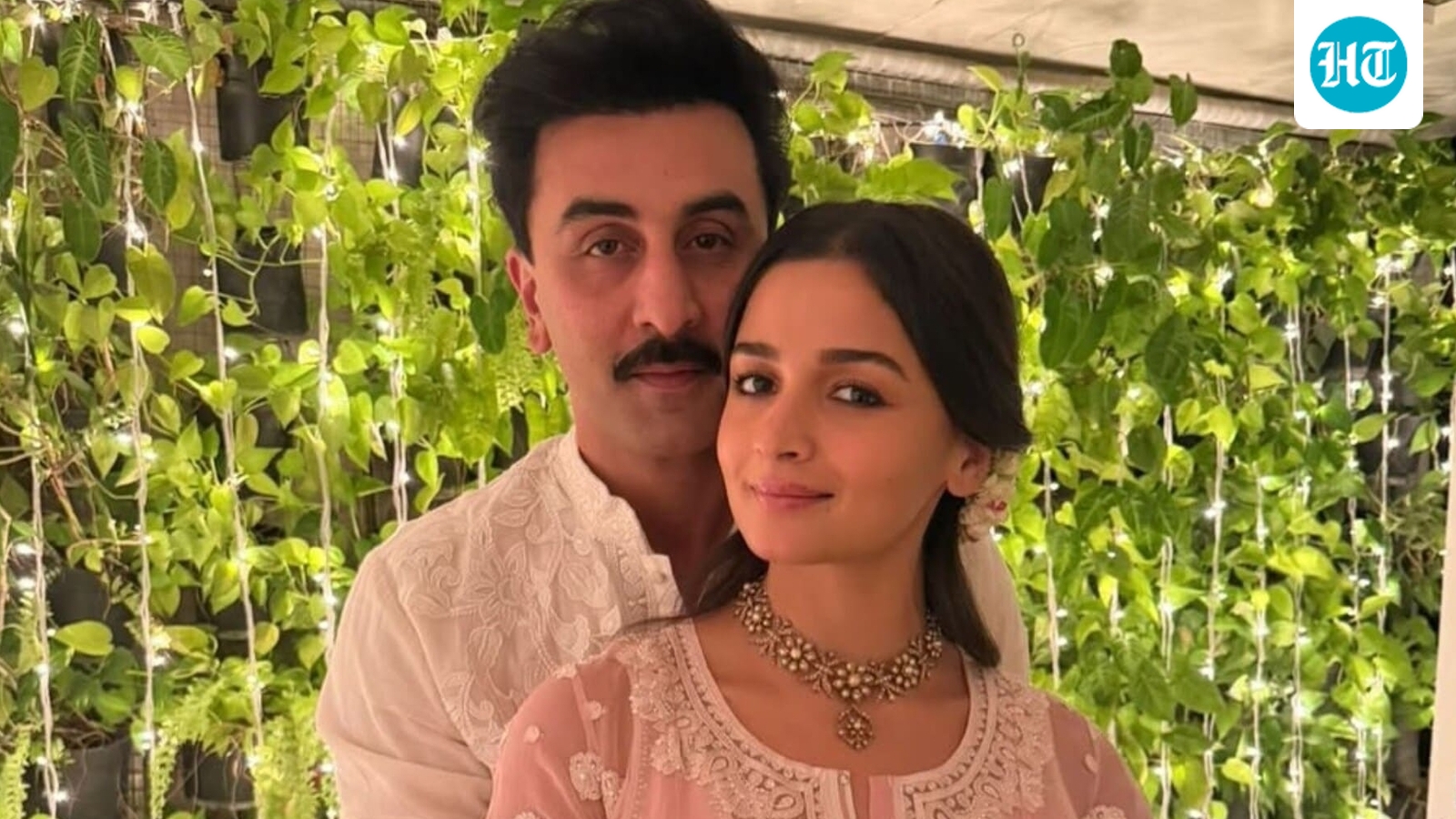
Actors Alia Bhatt and Keerthy Suresh have both publicly addressed and dismissed online speculation regarding their personal interactions and relationships. Both stars criticized the tendency of social media users to misinterpret public moments and create narratives that do not align with their actual experiences.
The Perils of Parasocial Scrutiny in Digital Media
In the era of hyper-connectivity, the line between public persona and private reality has become increasingly blurred. Recently, Bollywood star Alia Bhatt and South Indian cinema actor Keerthy Suresh have both found themselves at the center of intense online discourse. While the contexts of their respective situations differ—Bhatt addressing long-standing rumors about her marriage to Ranbir Kapoor and Suresh clarifying a viral interaction with filmmaker Mysskin—both incidents highlight a growing trend where social media users actively construct narratives that often contradict the lived experiences of the individuals involved.
Alia Bhatt Challenges the 'Unequal Marriage' Narrative
Alia Bhatt, who married Ranbir Kapoor in 2022, recently addressed the persistent online theories that characterize her relationship as an 'unequal marriage.' In a candid interview with TIME Magazine, Bhatt expressed that such labels are not only incorrect but deeply offensive. By reducing her agency and dismissing her own vocal advocacy for women's autonomy, these speculative narratives attempt to frame her as a 'victim' within an 'imagined scenario.' This reflects a broader issue in celebrity culture where public figures, particularly women, are subjected to invasive scrutiny that ignores their own stated realities.
The Impact of Misinterpretation on Public Figures
Bhatt’s reaction underscores a significant frustration: the constant dissection of celebrity interviews and public appearances. Because every word is subject to intense scrutiny, the probability of misinterpretation increases exponentially. For Bhatt, the bedrock of her relationship is a personal domain that remains separate from the performative nature of stardom. By pushing back, she is asserting her right to define her own happiness and relationship dynamics, rather than allowing external, unsolicited perspectives to dictate the narrative of her domestic life.
Keerthy Suresh and the Ethics of Viral Commentary
Simultaneously, Keerthy Suresh faced scrutiny following a viral video from a press conference for her upcoming film, Sathyavan Savithiri. In the clip, filmmaker Mysskin is seen interacting with her, which led some social media users to speculate that she appeared 'uncomfortable.' The discourse reached a point where users began questioning her professional boundaries and comparing her real-life reactions to her on-screen performances. Suresh’s decision to directly address and refute these claims serves as a pushback against the internet's tendency to 'diagnose' the comfort levels of women in public spaces based on short, decontextualized clips.
The Broader Implications of Online Speculation
Both cases serve as a cautionary tale regarding the ethics of digital engagement. When fans and critics project 'imagined scenarios' onto real people, they strip those individuals of their agency. In Bhatt’s case, the projection is one of systemic inequality; in Suresh’s case, it is one of perceived victimhood. In both instances, the subjects of these theories are forced to spend valuable time correcting the record, illustrating how social media can transform from a tool for community building into a mechanism for invasive, and often harmful, speculation.
Conclusion: Reclaiming the Narrative
As these stars continue to navigate their careers, their vocal responses signal a shift in how celebrities manage their public image. By directly confronting these 'imagined scenarios,' Bhatt and Suresh are asserting boundaries against the voyeuristic nature of modern internet culture. Ultimately, these events underscore the necessity for audiences to cultivate more critical and respectful consumption habits, recognizing that the fragments of celebrity life seen online are merely projections, not objective truths.
Verification Required?