Alia Bhatt is ‘offended’ by ‘unequal marriage’ remarks, calls it an ‘imagined scenario’
Source Entity
The Indian Express
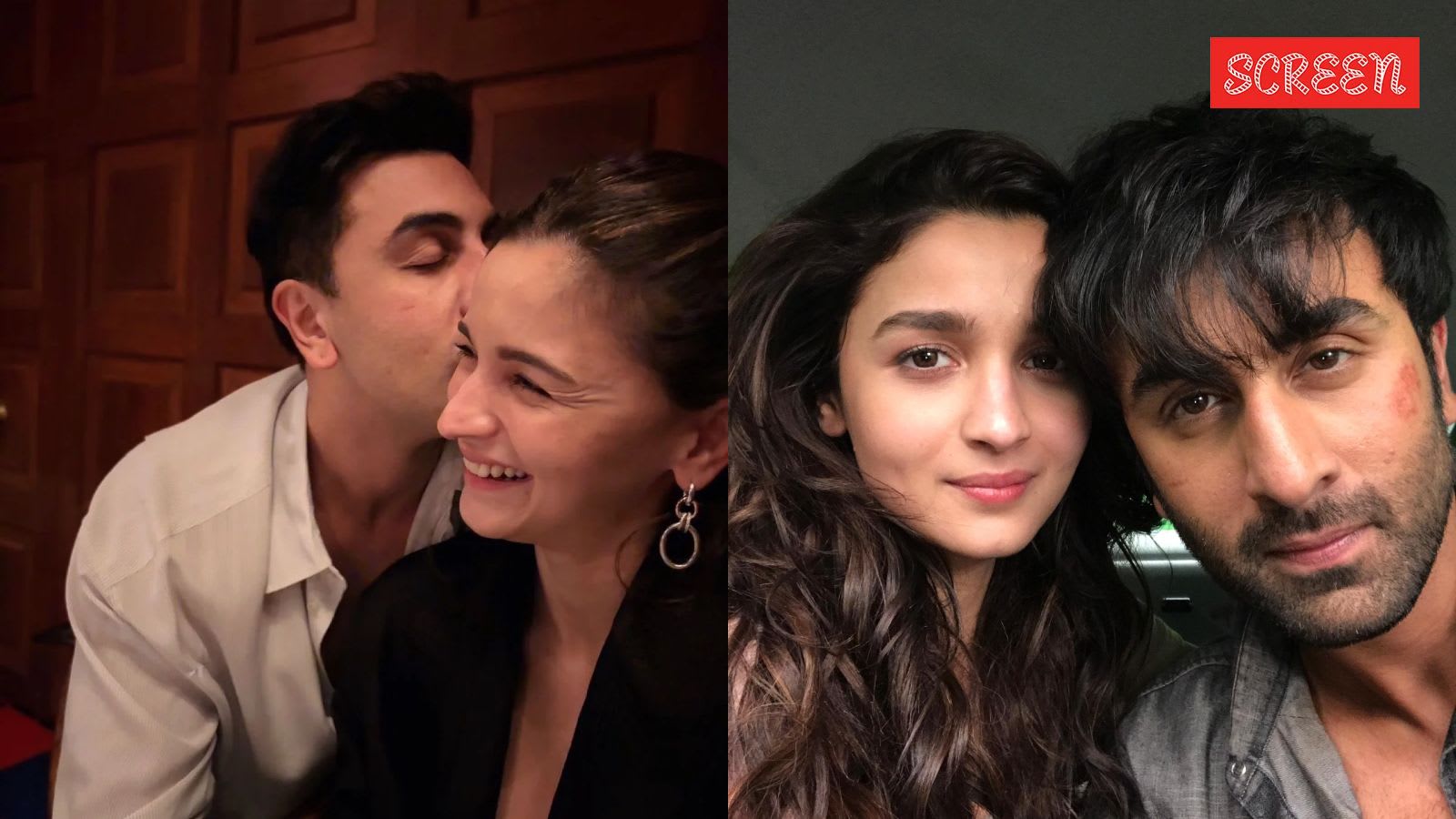
Prominent actors Alia Bhatt and Keerthy Suresh have publicly addressed and dismissed viral social media speculations regarding their personal interactions and marriages. Both stars defended their agency and autonomy, calling out the misinterpretation of their public personas and private lives.
The Burden of Public Scrutiny: Celebrity Autonomy in the Digital Age
In an era dominated by social media, the private lives of public figures have become subject to relentless, often invasive, analysis. Recent instances involving actors Alia Bhatt and Keerthy Suresh highlight a growing trend where fragmented video clips and out-of-context quotes are weaponized to construct narratives that do not reflect the reality of the individuals involved. By addressing these claims directly, both actors are reclaiming their agency against public perception.
Alia Bhatt: Challenging the 'Unequal Marriage' Narrative
Alia Bhatt, who married Ranbir Kapoor in 2022, has frequently found her marriage under the microscope. Following a TIME Magazine interview, Bhatt felt compelled to address the "unequal marriage" label that some critics have attached to her relationship. By labeling such assumptions as "offensive," Bhatt is pushing back against the societal tendency to reduce high-profile women to passive participants in their own lives. She emphasizes that her marriage is built on mutual understanding, where feeling "seen and heard" serves as the bedrock of their partnership, effectively dismissing the external "imagined scenarios" created by observers.
Keerthy Suresh: Responding to Speculation on Personal Space
Similarly, actor Keerthy Suresh recently faced intense online scrutiny following a viral video from a press conference for her upcoming film, Sathyavan Savithiri. In the clip, filmmaker Mysskin’s interaction with her led to widespread discourse regarding her perceived discomfort. Suresh, however, has chosen to challenge the narrative being spun by social media users who attempted to dictate how she should have reacted to the situation. By questioning the motives behind these interpretations, she highlights the problematic nature of armchair psychology prevalent on platforms like X (formerly Twitter).
The Intersection of Professionalism and Privacy
Both cases underscore a significant issue in modern celebrity culture: the conflation of professional conduct with personal agency. In Suresh's case, critics attempted to draw parallels between her film work and her real-life reaction, a false equivalency that disregards the boundary between artistic performance and personal boundaries. For Bhatt, the scrutiny stems from long-standing stereotypes about power dynamics in celebrity marriages. Both actors are asserting that their silence or reactions are not invitations for public debate but are instead personal experiences that should not be subject to external validation.
The Impact of Algorithmic Misinterpretation
These incidents demonstrate how digital platforms prioritize engagement over accuracy. A single "viral" clip, often stripped of its original context, can incite a wave of judgment that forces celebrities into defensive positions. This dynamic creates a cycle where the subject must constantly justify their reality against the weight of thousands of misinformed opinions. As these actors continue to speak out, they are setting a precedent for how public figures can effectively manage their narratives in the face of digital misinformation.
Conclusion: Moving Toward Empathetic Consumption
Ultimately, the responses from Alia Bhatt and Keerthy Suresh serve as a reminder of the human cost of constant public observation. While celebrity culture thrives on interest, there is a clear distinction between fair critique and the fabrication of narratives that undermine a person's autonomy. As audiences, the path forward requires a more skeptical and empathetic approach to the content we consume, recognizing that what is perceived on screen is rarely the full story.
Multiple Citing Sources