Amazon surges launches with rival SpaceX after ULA fails to deliver
Source Entity
Stephen Clark
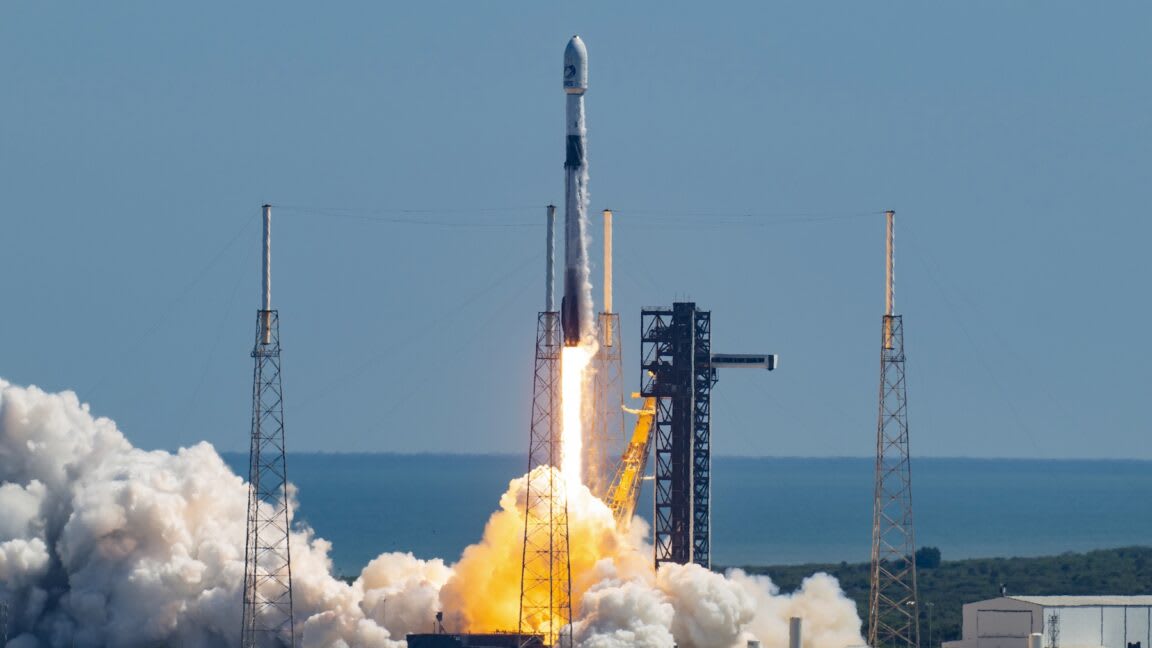
Amazon has accelerated its Project Kuiper satellite deployment by utilizing SpaceX Falcon 9 rockets following a launch failure by ULA. This strategic shift aims to maintain momentum for their broadband constellation despite setbacks with their primary provider.
Amazon Shifts Strategy Amidst ULA Launch Setbacks
Amazon’s ambitious Project Kuiper, a low-Earth orbit (LEO) broadband constellation, has reached a critical juncture. Following the loss of 40 satellites during a recent United Launch Alliance (ULA) Vulcan rocket failure, Amazon has been forced to pivot its logistics strategy. The successful deployment of 36 satellites via a European Ariane 6 launcher serves as a vital recovery milestone, bringing the total in-orbit fleet to 432 satellites and ensuring the company remains on track with its regulatory deployment milestones.
The Vulcan Vacuum and Operational Resilience
The grounding of the Vulcan rocket represents a significant hurdle for Amazon, as ULA was originally designated as the primary launch provider for the Kuiper constellation. With hundreds of satellites currently sitting in storage, the necessity for a reliable launch cadence has never been higher. The reliance on a single provider created a single point of failure that the company is now actively mitigating by diversifying its launch manifest to ensure that the constellation’s build-out does not stall indefinitely.
Embracing the Rival: SpaceX as an Unexpected Partner
In a move that highlights the pragmatic nature of the modern space economy, Amazon has opted to accelerate its existing launch contracts with SpaceX. This decision is particularly notable given that SpaceX operates Starlink, the direct competitor that Amazon aims to challenge in the global satellite internet market. By utilizing the Falcon 9, Amazon is essentially paying its primary rival to help build the infrastructure intended to eventually compete with them.
Accelerating the Timeline
Amazon’s decision to move its next Falcon 9 launch forward to December demonstrates a high-pressure approach to recovering lost time. This acceleration is not merely a logistical shift but a strategic move to regain momentum. By securing capacity on the industry-leading Falcon 9, Amazon is leveraging the proven reliability of SpaceX hardware to insulate itself from further delays caused by its other launch partners.
Broader Implications for the New Space Race
The satellite broadband sector is currently witnessing an unprecedented era of competition, characterized by the rapid scaling of LEO constellations. Amazon’s ability to navigate launch vehicle failures while maintaining its deployment schedule is a testament to the necessity of having a multi-provider launch strategy. As the company continues to fill the void left by ULA’s grounding, the industry will be watching to see if this dependency on SpaceX remains a temporary bridge or evolves into a long-term operational necessity.
Conclusion: A Path Toward Connectivity
Ultimately, the resilience shown by the Project Kuiper team underscores the complexities of deploying orbital infrastructure. While the loss of satellites on the Vulcan rocket was a setback, the successful Ariane 6 launch and the pivot to SpaceX indicate that Amazon is committed to its goal of global broadband coverage. The coming months will be pivotal as the company attempts to stabilize its launch cadence and scale its constellation to meet the demands of a competitive global market.