‘You are being scammed’: How a small Delhi Police team is rescuing digital arrest victims
Source Entity
Pragnyesh
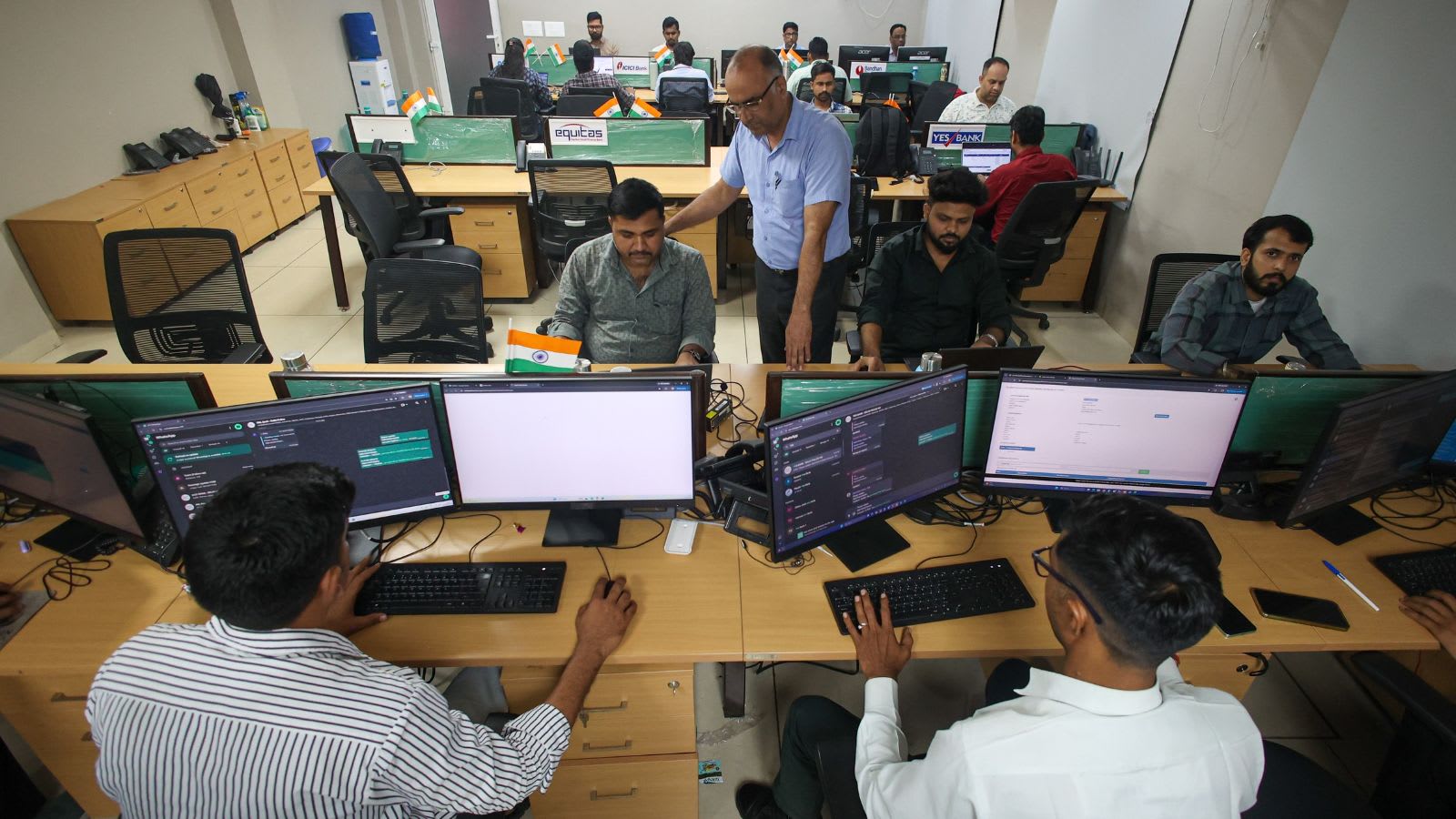
A specialized Delhi Police unit is actively intervening to save victims of the growing 'digital arrest' scam. These operations target fraudsters who manipulate retirees into liquidating life savings through psychological coercion.
The Rising Menace of Digital Arrests
The case of 73-year-old Bhim Singh, who was on the verge of losing his remaining life savings to sophisticated fraudsters, highlights a harrowing trend in cybercrime. Digital arrest is a deceptive tactic where criminals pose as law enforcement officials, coercing victims through video calls or messaging platforms into believing they are under investigation for criminal activity. By isolating victims in their own homes, these scammers exert psychological pressure, forcing them to liquidate assets—such as fixed deposits and mutual funds—under the guise of 'verification' or 'legal compliance.'
The Anatomy of the Scam
In the instance involving Bhim Singh, the fraudsters maintained control for 11 days, demonstrating the extreme psychological manipulation involved. By creating a sense of urgency and fear, the perpetrators effectively 'imprison' the victims in their own residences, preventing them from seeking outside counsel or verifying the legitimacy of the claims. The loss of Rs 25 lakh, coupled with the attempted extortion of his wife's jewelry, underscores the predatory nature of these networks that specifically target the elderly population.
Intervention and Proactive Policing
The intervention by Inspector Parveen Kumar and the specialized Delhi Police team marks a critical shift toward proactive cyber-policing. Instead of merely responding to reports after the fact, these officers are actively monitoring suspicious financial flows and digital footprints to identify victims in real-time. This 'interception' model is essential in the digital age, where once money is transferred to complex, multi-layered mule accounts, the probability of recovery drops significantly.
Socio-Economic Implications
For retirees like Singh, the loss of life savings is not merely a financial setback; it is an existential threat to their independence and quality of life. The middle-class demographic, often possessing some digital literacy but lacking experience with advanced social engineering, is particularly vulnerable. This scam exploits the inherent trust that citizens place in law enforcement, effectively turning the reputation of the police against the public.
Future Trends and Mitigation
As digital infrastructure expands, the sophistication of these scams is likely to increase through the integration of AI-driven voice cloning and deepfake technology. To combat this, the Delhi Police’s current strategy serves as a blueprint for other law enforcement agencies. Future efforts must balance rapid-response interventions with widespread public awareness campaigns. Educating the public that genuine law enforcement will never demand the liquidation of assets or conduct 'digital arrests' is the only sustainable way to blunt the efficacy of these criminal enterprises.