Amazon kills Alexa’s ability to control Echo speakers' AUX input
Source Entity
Scharon Harding
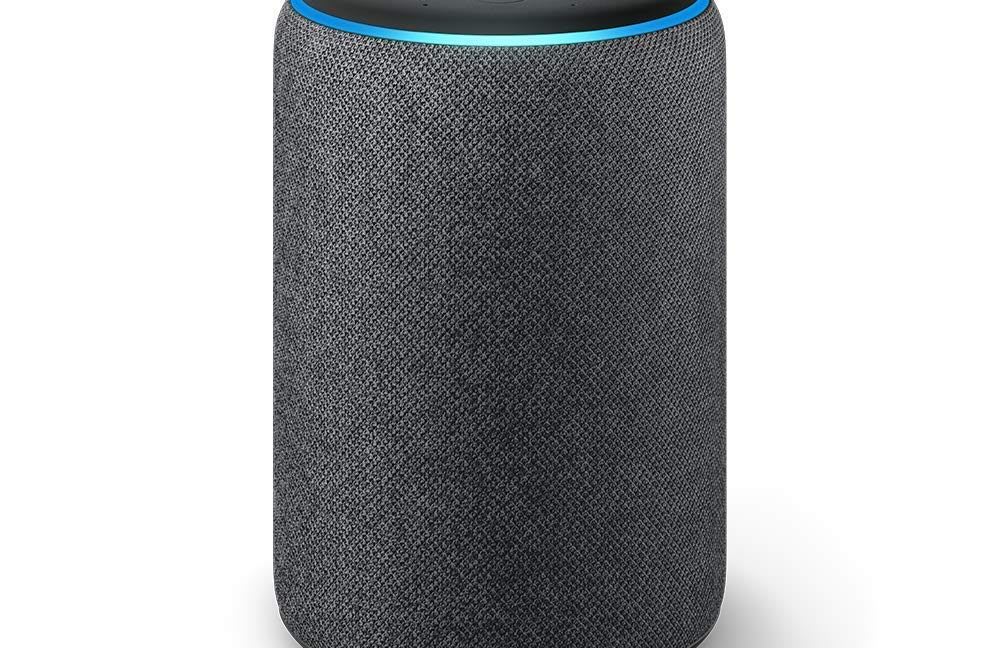
Amazon has officially disabled Alexa voice control for the AUX input on select older Echo smart speakers. This change impacts a small user base still utilizing legacy hardware featuring 3.5mm ports.
Amazon Ends Alexa Voice Control for AUX Inputs
Amazon has officially confirmed that it is disabling the ability for Alexa to control the AUX input on older Echo smart speakers. Users who have historically relied on voice commands such as "Alexa, play from line in" or "Alexa, set aux input" will find these requests are no longer supported. This development, confirmed by an Amazon spokesperson, marks a quiet but definitive end to a feature that had become increasingly niche as the company shifted its hardware design philosophy.
The Hardware Legacy
It is important to contextualize this change within the broader history of the Amazon Echo ecosystem. Amazon has not manufactured an Echo device with a 3.5mm AUX port for roughly six years. The impact is therefore limited to a specific subset of legacy hardware, including the Echo Plus (2nd Gen), Echo (3rd Gen), Echo Studio (1st Gen), and Echo (4th Gen). For owners of these devices, the AUX port served as a bridge between analog audio equipment and the modern smart home environment, allowing users to route external audio through their smart speakers via voice management.
Implications of the Update
While Amazon has not provided a technical explanation for this removal, the decision likely stems from a combination of low usage metrics and the challenges of maintaining legacy software support. As the Echo ecosystem has evolved toward cloud-based streaming and multi-room audio protocols, the maintenance of local hardware-specific voice commands for physical line-in inputs has likely become an inefficient use of development resources. By sunsetting these commands, Amazon is further streamlining its software infrastructure to focus on current-generation capabilities.
Consumer Impact and Transparency
Amazon’s communication strategy regarding this change has been direct, albeit minimalist. Users were notified via email that the functionality would be discontinued, a move that prompted discussion on platforms like Reddit. By confirming the change through official channels, Amazon has provided clarity to the "very small number of customers" still utilizing this feature. This highlights a common tension in the smart home industry: the balance between providing long-term support for legacy hardware and the necessity of pruning features to ensure the stability of the broader, cloud-reliant ecosystem.
Future Trends in Smart Home Hardware
This move serves as a reminder of the inherent volatility in smart home ownership. Unlike traditional audio equipment that can function for decades, smart devices are tethered to the manufacturer’s software support cycle. As Echo devices transition away from physical ports toward pure wireless and cloud-streamed audio, consumers should expect fewer hardware-based inputs in future models. This trend underscores a broader shift in consumer electronics where the longevity of a device is dictated as much by software updates as by physical durability.
Conclusion
In summary, the removal of voice-controlled AUX input support is a calculated move to phase out legacy features on aging hardware. While it may inconvenience a small group of power users, it reflects the reality of a rapidly evolving ecosystem where legacy support is frequently sacrificed for software uniformity. Users with these specific older Echo models will need to manually manage their external audio connections moving forward, marking the end of an era for this specific smart home integration.