Our first five impressions of Googlebooks — exciting but underbaked
Source Entity
Antonio G. Di Benedetto
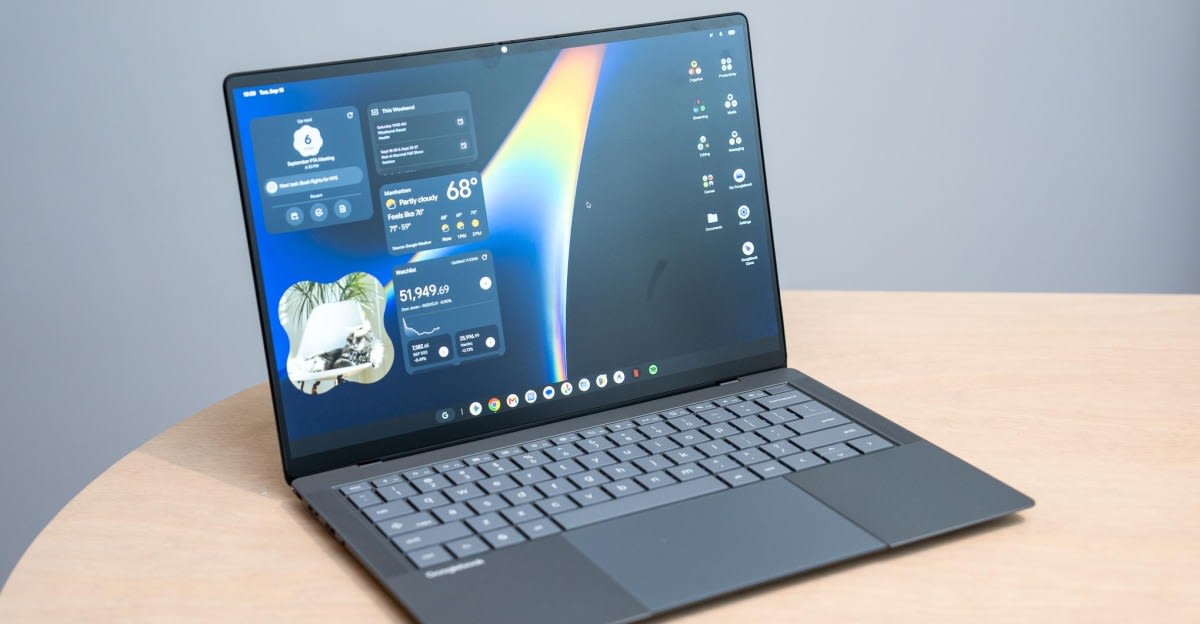
Google has launched its new line of Android-powered laptops, dubbed 'Googlebooks,' which aim to integrate mobile and desktop ecosystems. While the initial hardware shows promise in functionality, early reviews suggest the software experience remains unrefined.
The Emergence of Googlebooks: A New Era for Android Computing
Google has officially entered the laptop market with the release of five new 'Googlebook' models, which went on sale on Sunday, October 4th. These devices represent a significant strategic pivot for the tech giant, aiming to bridge the gap between the mobile Android experience and traditional laptop productivity. By leveraging the familiar Android interface on a larger form factor, Google is attempting to capture a segment of the market that values the seamless transition between portable handheld devices and workstation computing.
Initial Impressions and Hardware Identity
Early reviews indicate that these devices bear a striking resemblance to the company’s existing Chromebook lineup. This visual and tactile familiarity suggests that Google is leaning on its established hardware design language to ease users into this new category. However, the initial feedback describes the user experience as 'janky' in certain instances, highlighting the challenges of adapting a mobile-first operating system to a desktop environment. This early friction is a common hurdle for new product categories attempting to redefine the boundaries of established computing paradigms.
The Vision for Cross-Device Integration
Central to the Googlebook value proposition is the promise of enhanced interactivity between devices. Google is introducing innovative methods to sync notifications and mirror phone displays directly onto the laptop screen. This functionality is intended to streamline the user workflow, reducing the need to constantly switch between a mobile device and a laptop. By prioritizing this synergy, Google is responding to a growing consumer demand for a unified digital ecosystem where data flows effortlessly across multiple hardware platforms.
Challenges in Software Optimization
Despite the ambitious vision, the current state of Googlebooks is characterized as 'underbaked.' Transitioning the Android OS to a laptop format requires more than just scaling the interface; it necessitates deep optimizations that ensure performance, battery efficiency, and stability. The fact that reviewers noted a 'mad dash' to test these units suggests that the software ecosystem may still be in a state of rapid iteration, potentially leading to bugs or unpolished user experiences in the early release phase.
Future Outlook and Market Implications
Looking ahead, the success of the Googlebook project will depend on how quickly Google can refine the software to match the fluidity of competing desktop operating systems. The integration features—specifically the ability to mirror and sync mobile devices—could become a major competitive advantage if executed reliably. If Google can successfully iron out the current performance issues, the Googlebook could evolve from an experimental gadget into a essential tool for the average consumer, fundamentally changing how we perceive the relationship between our phones and our laptops.