Amazon aims for delivery drones to reach 500 US neighborhoods by end of 2026
Source Entity
Jeremy Hsu
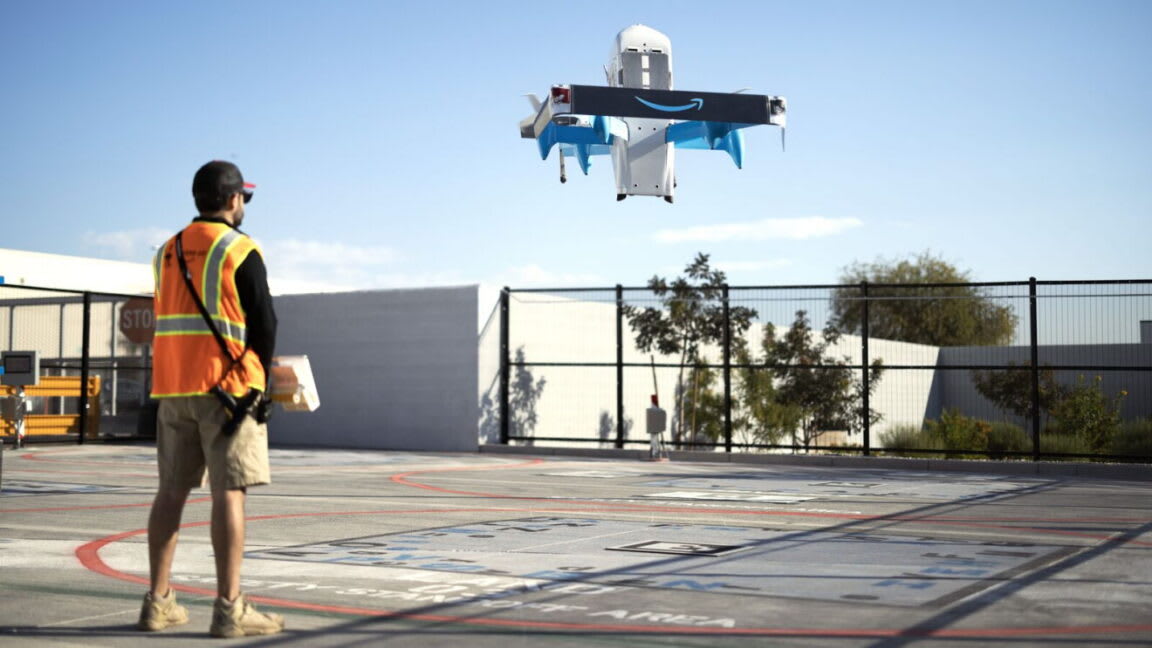
Amazon is aggressively expanding its Prime Air drone delivery service to nearly 500 U.S. cities by the end of 2026. This sixfold increase in coverage aims to deliver small packages rapidly, though it faces ongoing scrutiny regarding safety and community noise impacts.
Amazon’s Massive Drone Expansion: A New Era for Logistics
Amazon has officially announced a massive scaling of its Prime Air drone delivery initiative, aiming to increase its footprint sixfold to reach nearly 500 cities and towns across the United States by the end of 2026. This expansion represents a pivotal shift from experimental pilot programs to a standardized service model. With plans to integrate drone delivery into major metropolitan areas such as Chicago, Atlanta, Cleveland, Syracuse, and Boise, Amazon is signaling that aerial logistics is becoming a core component of its future supply chain strategy.
Operational Scope and Efficiency
Each Prime Air site is designed to cover approximately 175 square miles, focusing on the rapid delivery of packages weighing 5 pounds or less. By utilizing automated drone technology, Amazon aims to fulfill orders within a timeframe of 30 to 60 minutes. This speed is a critical differentiator in the e-commerce market, where the 'last-mile' delivery segment remains the most expensive and time-consuming hurdle for retailers. The transition toward these localized drone hubs suggests a move toward decentralizing distribution centers to prioritize immediate customer gratification.
Geographic Growth and Strategic Sites
The expansion includes a diverse array of new locations, spanning from Tolleson, Arizona, to Baton Rouge, Louisiana, and various cities in Texas and Michigan. The inclusion of new sites alongside the continued operation of existing hubs reflects a broader infrastructure investment. By establishing these service points near high-density population centers, Amazon is effectively testing the viability of drone logistics in varied urban and suburban environments, gathering critical data on flight patterns and delivery reliability.
Addressing Safety and Historical Challenges
Despite the ambitious growth, Amazon’s expansion is not without controversy. The company is navigating a complex history of safety concerns, including a notable drone collision with a crane in Tolleson, Arizona, in October 2025, and previous incidents involving clipped utility lines and crashes. These events have drawn significant regulatory and public scrutiny. As Amazon pushes into nearly 500 new markets, the company must demonstrate that it has sufficiently hardened its safety protocols to satisfy both federal regulators and the residents living within these flight corridors.
Community Impact and Future Trends
As Prime Air becomes more ubiquitous, the debate surrounding the 'trade-offs' of drone technology is likely to intensify. While the convenience of sub-hour delivery is attractive to consumers, the increased volume of daily drone flights introduces new concerns regarding noise pollution and visual clutter in residential neighborhoods. The coming months will be a litmus test for public tolerance, as Amazon and its competitors attempt to normalize low-altitude aerial traffic. The success of this rollout will depend heavily on the company's ability to balance technological efficiency with the quality-of-life expectations of the communities it serves.
Multiple Citing Sources