Americans added $21B to credit cards — now 20%+ interest is crushing budgets. Time to use Dave Ramsey’s escape hatch?
Source Entity
Yahoo Finance
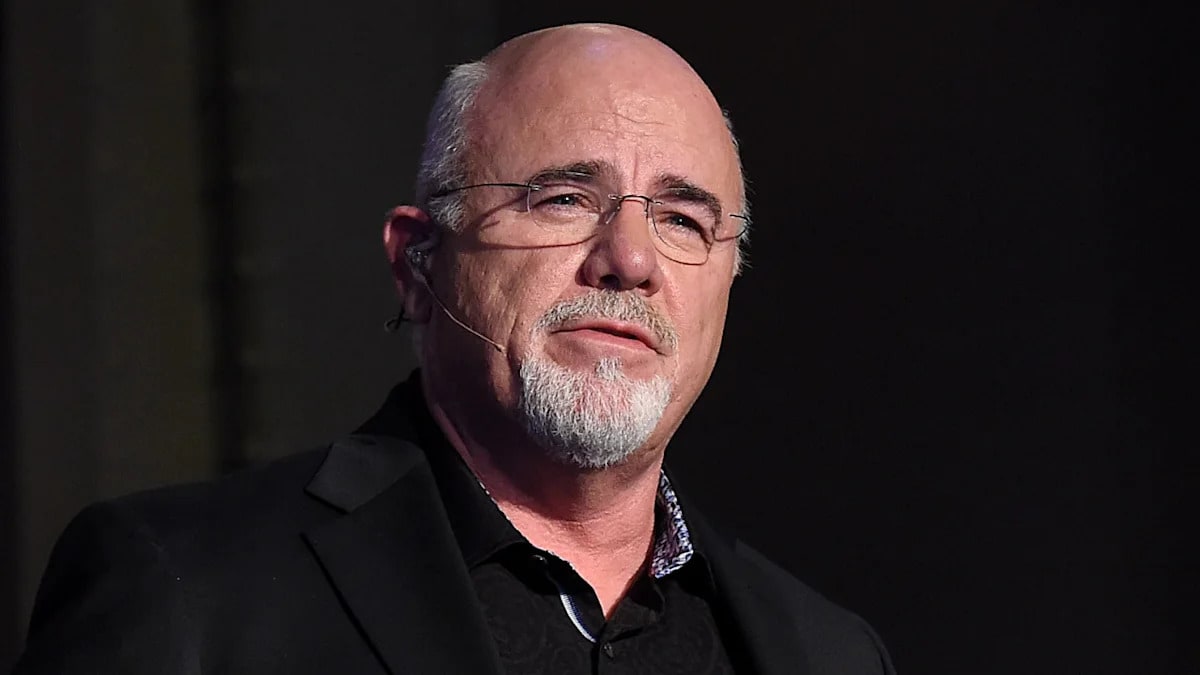
Americans are struggling with $21 billion in new credit card debt amid high interest rates. Financial experts recommend building a $1,000 emergency fund in a high-yield account to avoid recurring debt cycles.
The Rising Tide of American Credit Card Debt
Recent financial data indicates that Americans have collectively added $21 billion to their credit card balances. This surge occurs at a time when interest rates on these revolving credit lines frequently exceed 20%, creating a compounding financial burden that threatens household stability. For many, the ease of credit access has become a trap, as high interest charges consume a larger share of monthly income, leaving little room for discretionary spending or long-term financial health.
The Vicious Cycle of High-Interest Debt
The primary danger of relying on credit cards for essential expenses is the 'debt trap' phenomenon. When consumers carry balances at high interest rates, a significant portion of their payment goes toward interest rather than the principal balance. This makes it increasingly difficult to achieve a zero balance, especially when unexpected expenses—such as automotive repairs or medical bills—arise. Without a financial buffer, these emergencies are frequently charged back to the very cards the consumer is trying to pay off, perpetuating a cycle of perpetual indebtedness.
The Strategic Role of Emergency Funds
To break this cycle, financial experts like Dave Ramsey advocate for the prioritization of a starter emergency fund. The recommendation of a $1,000 buffer is not intended to solve major financial crises, but rather to serve as a critical 'escape hatch.' By having this modest amount of cash available, individuals can address minor emergencies without resorting to high-interest credit, thereby preventing the accumulation of additional debt that would otherwise compound at 20% or more.
Leveraging High-Yield Financial Tools
Modern financial technology offers tools that can assist in this process, such as high-yield cash accounts like the Wealthfront Cash Account. These accounts allow individuals to earn competitive interest on their uninvested cash, providing a more effective alternative to traditional, low-interest savings vehicles. By utilizing these accounts, consumers can grow their savings faster while maintaining the liquidity required for immediate access when a genuine emergency strikes.
Behavioral Finance and Financial Separation
One of the most effective strategies for long-term debt avoidance is the psychological and practical separation of funds. By keeping emergency savings in an account distinct from everyday spending accounts, consumers can reduce the temptation to dip into their safety net for non-essential purchases. This discipline is a cornerstone of effective personal finance management. Redirecting even a small portion of income into a dedicated, high-yield account ensures that the individual is actively building a barrier against future credit reliance.
Future Trends and Financial Resilience
As the cost of living continues to fluctuate, the reliance on high-interest credit is likely to remain a significant systemic risk for American households. Moving forward, the trend toward utilizing automated, high-yield savings solutions will be essential for those seeking to regain financial independence. By focusing on the foundational step of building a starter emergency fund and leveraging modern banking tools to maximize interest earnings, consumers can better navigate the current economic landscape and protect themselves from the crushing weight of high-interest debt.