Amish Tripathi defends Sai Pallavi’s warrior Sita in Ramayana, says Valmiki described her as slaying Ravana in ancient version
Source Entity
Latest News: Todays Latest News Headlines from India & World | Hindustan Times
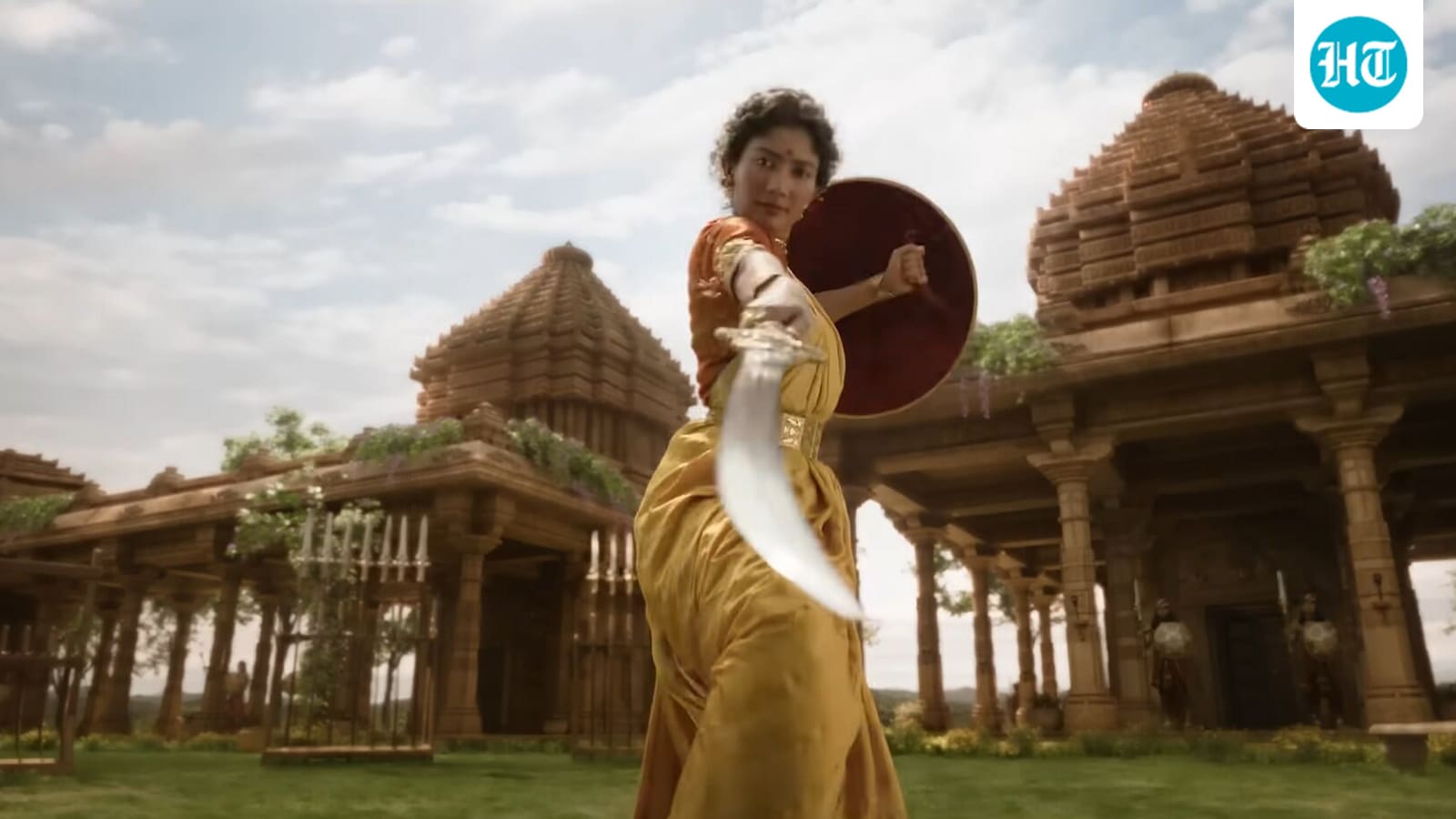
Author Amish Tripathi has defended the portrayal of Sita as a warrior in Nitesh Tiwari's 'Ramayana'. He cites ancient versions of the epic, including Valmiki's, to support the film's depiction of her as both a scholar and a combatant.
The Reimagining of Sita: A Mythological Debate
Nitesh Tiwari’s latest cinematic adaptation of the Ramayana has ignited a significant cultural conversation regarding the portrayal of its central female figure, Sita. While the film has garnered acclaim for its technical ambition, grand scale, and visual storytelling, the creative decision to depict Sita as a warrior—capable of swordplay and actively engaging in combat against asuras—has become a flashpoint for debate among audiences accustomed to more traditional interpretations.
The Argument for Historical Precedent
Stepping into this discourse, renowned author Amish Tripathi has offered a compelling defense of the film’s narrative choices. Tripathi, whose own literary career is built upon the reimagining of Indian mythology, points toward ancient textual sources to validate the film's vision. He argues that the depiction of Sita as a skilled combatant is not a modern invention but rather an interpretation rooted in older, perhaps less popularized, traditions found within the epic’s history.
Blending Shastras and Shaastras
The film portrays Sai Pallavi’s Sita as a multifaceted character who excels in both shastras (weapons) and shaastras (books). This dual-competency aligns with historical archetypes of royal figures in Indian epics, who were expected to be masters of both statecraft and martial defense. By showing her training young girls in the art of swordplay and utilizing a dagger for self-defense, the film seeks to elevate Sita from a passive observer to an active participant in the protection of her dharma.
Impact on Modern Cinematic Adaptation
This shift in characterization reflects a broader trend in contemporary Indian cinema: the push toward agency for female protagonists in historical and mythological epics. By grounding this portrayal in the authority of Valmiki’s ancient version, the filmmakers are attempting to bridge the gap between traditional reverence and modern audience expectations. This approach suggests a move toward 'historical realism' where the characters are defined by their capability as much as their moral standing.
Broader Implications and Cultural Reception
The collaboration between director Nitesh Tiwari and a high-profile cast, including Ranbir Kapoor and Yash, ensures that this version of the Ramayana will reach a massive global audience. The criticism faced by the film highlights the deep-seated attachment viewers have to specific iterations of the epic. However, the support from literary voices like Tripathi provides a necessary layer of intellectual context, reminding viewers that the Ramayana has always been an evolving narrative, interpreted differently across centuries and regions.
Conclusion
Ultimately, the portrayal of Sita in this production serves as a catalyst for a deeper engagement with the source material. While traditionalists may struggle with the imagery of a warrior-queen, the film invites a reassessment of the epic’s flexibility. By anchoring this depiction in scholarly references, the production aims to honor the spirit of the character while providing a fresh, empowered perspective that resonates with modern sensibilities.
Verification Required?