Why Amit Shah’s 2029 UCC push is going through states, not Parliament
Source Entity
Deeptiman Tiwary
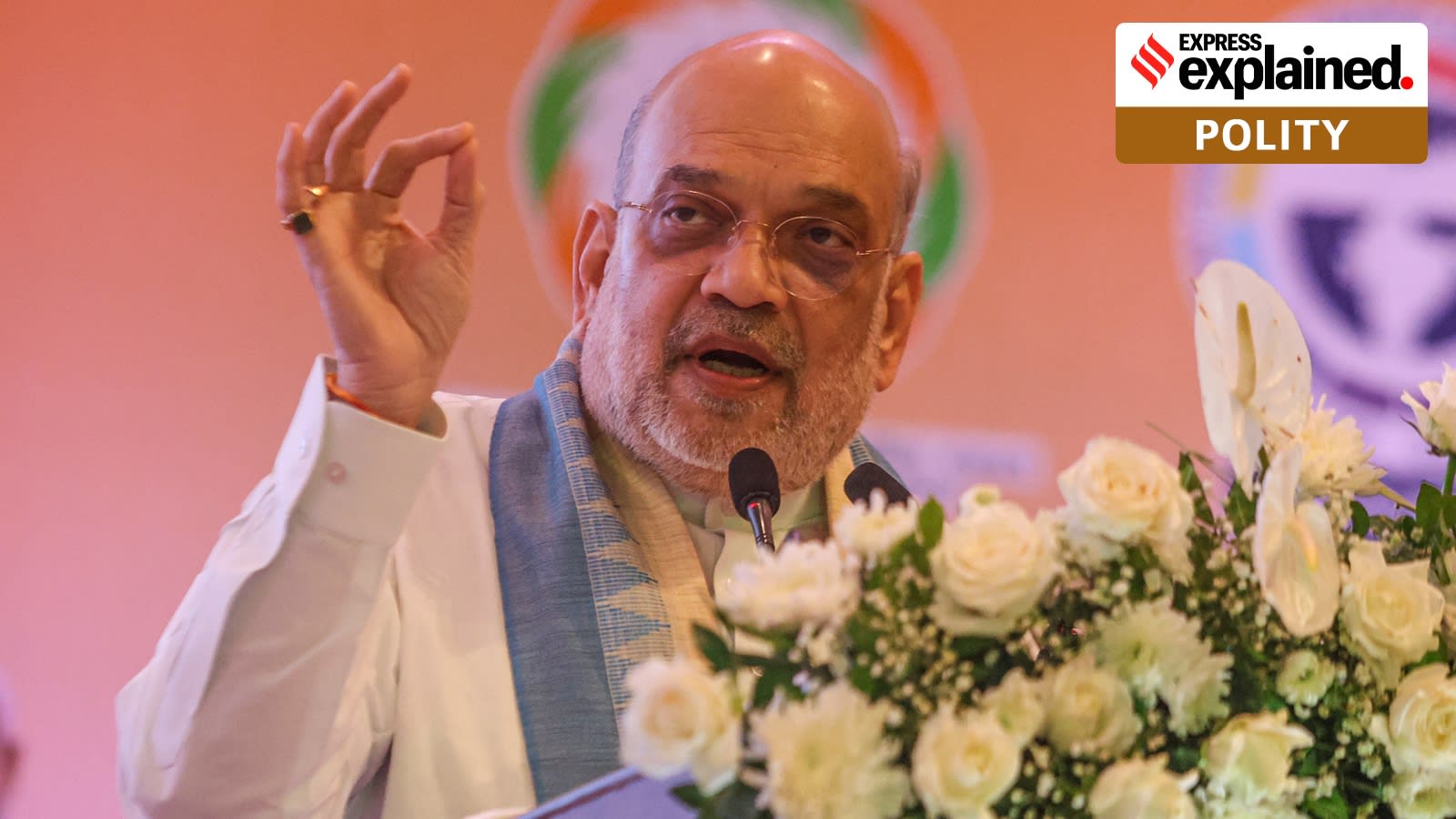
Union Home Minister Amit Shah has announced that all 21 BJP-led NDA states will implement a Uniform Civil Code before the 2029 Lok Sabha elections. This initiative is part of the party's broader legislative agenda, following the abolition of triple talaq and the restructuring of the criminal justice system.
The Path to a Uniform Civil Code in India
Union Home Minister Amit Shah recently announced a significant legislative roadmap, confirming that all 21 states currently governed by the BJP-led National Democratic Alliance (NDA) are set to implement a Uniform Civil Code (UCC) before the 2029 Lok Sabha elections. Speaking in Mumbai, Shah framed this initiative as a key component of the government's long-term vision, building upon the successes of the past 12 years of governance under the leadership of Prime Minister Narendra Modi.
Building on Previous Legal Reforms
The push for a UCC is presented by the administration as a continuation of transformative legal and social reforms. Shah specifically highlighted the abolition of 'triple talaq' as a landmark achievement, asserting that it has successfully granted Muslim women equal rights. By framing the UCC within this context, the government is positioning the code as a natural evolution of its commitment to gender equality and the modernization of personal laws, which have historically been governed by religious codes.
The Broader Legislative Context
Beyond the UCC, the Home Minister emphasized that the government has systematically strengthened India’s criminal justice system through the introduction and implementation of the Bharatiya Nyaya Sanhita. This broader legal restructuring serves as the backdrop for the UCC mandate. By aligning state-level legal frameworks, the administration seeks to create a more integrated national identity, consistent with their previous actions such as the removal of Article 370 in Jammu and Kashmir, which Shah described as a peaceful integration of the region into India.
Political Implications for 2029
The commitment to enforce a UCC across all 21 NDA-ruled states is deeply tied to the party's electoral promises. The BJP explicitly included the implementation of a Uniform Civil Code in its 2024 election manifesto, making this announcement a fulfillment of a core ideological pledge. As the nation approaches the 2029 general elections, this move is expected to be a central pillar of the BJP's campaign narrative, showcasing their ability to execute long-standing promises.
Challenges and Future Trajectory
While the government is firm in its resolve, the implementation of a UCC involves complex legal and social negotiations. During the same briefing, Shah noted that discussions regarding the National Register of Citizens (NRC) remain ongoing with various stakeholders, indicating that the government is balancing multiple high-stakes legislative priorities. The journey toward a uniform legal framework will likely continue to be a focal point of national discourse, as the government seeks to balance constitutional uniformity with the diverse legal traditions of India's states.
Conclusion
The announcement by Amit Shah marks a definitive timeline for one of the most debated legislative reforms in contemporary Indian history. By tying the UCC to the 2029 electoral cycle, the BJP-led NDA is signaling a period of intensified legislative activity. Whether this move leads to a seamless integration of personal laws or continues to spark rigorous public debate, it remains a cornerstone of the current administration's strategy to reshape the Indian legal landscape.
Multiple Citing Sources