Tamil Nadu Minister S. Ramesh says ‘obscene, derogatory’ remarks are DMK’s DNA
Source Entity
India Latest News: Top National Headlines Today & Breaking News | The Hindu
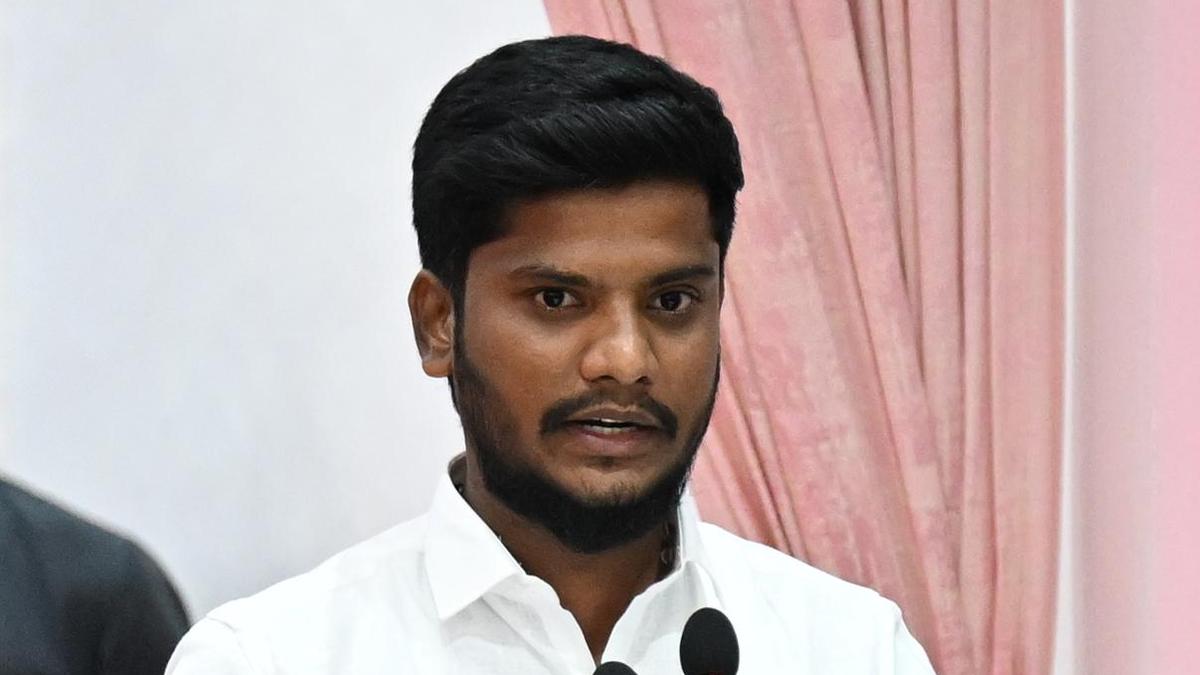
Tamil Nadu Minister S. Ramesh has accused the DMK of fostering a culture of derogatory rhetoric following controversial remarks by A. Raja. The Minister has vowed to pursue legal action against such conduct while defending the right to peaceful protest.
Political Tensions Escalate in Tamil Nadu
On September 14, 2026, Tamil Nadu Hindu Religious and Charitable Endowments (HR&CE) Minister S. Ramesh launched a scathing critique of the opposition Dravida Munnetra Kazhagam (DMK), characterizing the use of obscene and derogatory language as the party's fundamental 'DNA.' This assertion follows a period of heightened political volatility in the state, specifically triggered by comments made by senior DMK leader A. Raja during a recent agitation.
The Catalyst: Verbal Attacks on Leadership
The immediate provocation for Minister Ramesh’s statement was a personal attack allegedly directed at state Law Minister R. Nirmal Kumar by A. Raja. Such rhetoric has become a flashpoint in Tamil Nadu politics, where the boundaries between robust democratic dissent and personal vitriol are increasingly blurred. Minister Ramesh’s reaction underscores the current administration’s intent to set a new standard for political discourse by framing the opposition’s tactics as fundamentally incompatible with civil governance.
Balancing Democratic Rights and Civil Discourse
During his press address, Minister Ramesh took a nuanced stance by acknowledging that staging protests and demonstrations is a fundamental democratic right. By isolating the right to protest from the behavior of using foul language, the Minister is attempting to shift the narrative. He is advocating for a political climate where opposition is expressed through policy critique rather than ad hominem attacks, suggesting that the latter is a deliberate strategy to destabilize the administration of Chief Minister C. Joseph Vijay.
Legal Implications and Political Strategy
Minister Ramesh has explicitly warned of strict legal action against those who continue to make disparaging remarks. This threat of litigation is a significant escalation, signaling that the current government may utilize legal frameworks to curb what it perceives as systematic defamation. This approach is likely to intensify the adversarial relationship between the ruling party and the DMK, potentially leading to further courtroom battles over the limits of free speech in the political arena.
Broader Implications for State Politics
The ongoing conflict between the ruling party and the DMK reflects a deeper, long-standing ideological and personal rivalry that has historically defined Tamil Nadu’s political landscape. As both sides harden their positions, the discourse risks becoming increasingly polarized. The reliance on accusations of 'derogatory behavior' suggests that the political battleground is shifting from tangible policy debates to the preservation of public decorum and institutional integrity.
Conclusion: The Future of Political Conduct
Moving forward, the effectiveness of Minister Ramesh’s warnings will depend on the actual implementation of legal consequences for political speech. If the state follows through with legal action, it may set a precedent for how political rhetoric is regulated in the region. Conversely, if the situation remains unchanged, it could further erode public trust in political institutions. The coming months will likely see a continued struggle over the appropriate tone of political engagement in Tamil Nadu.
Verification Required?