BJP-led NDA governments in 21 States to introduce UCC before 2029, says Amit Shah
Source Entity
India Latest News: Top National Headlines Today & Breaking News | The Hindu
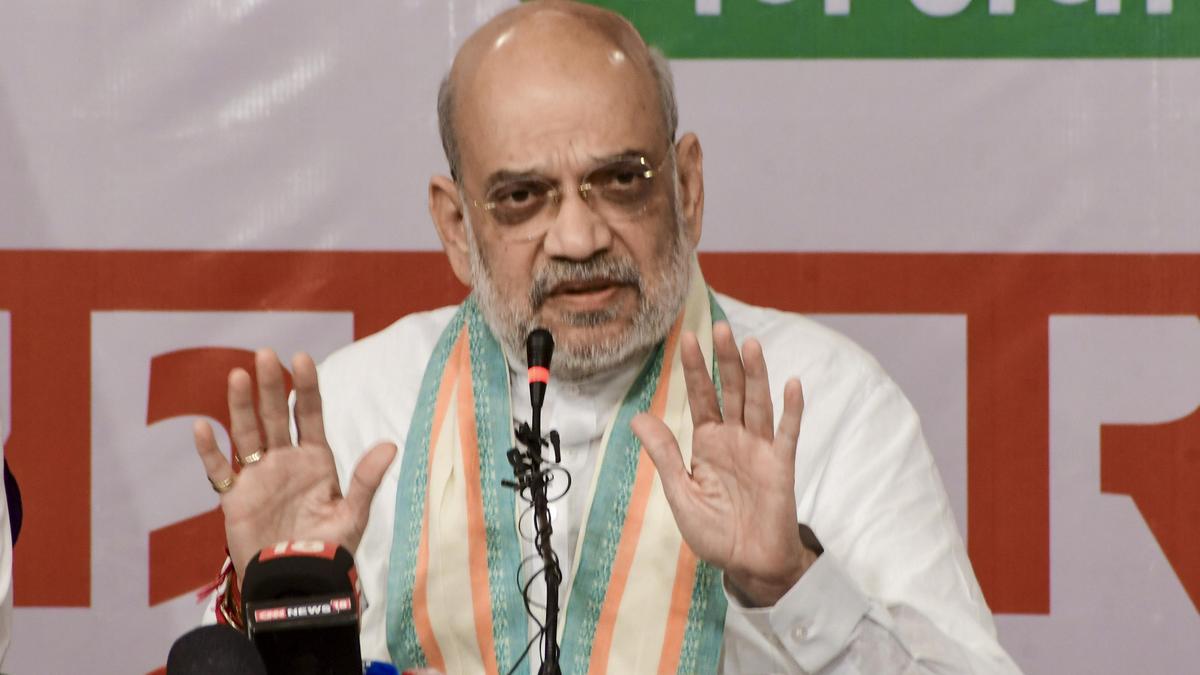
Union Home Minister Amit Shah has announced that all 21 BJP-NDA ruled states will implement the Uniform Civil Code (UCC) before the 2029 Lok Sabha elections. This move follows the party's 2024 manifesto pledges and builds on previous legislative reforms like the abolition of triple talaq.
The Roadmap to a Uniform Civil Code
Union Home Minister Amit Shah recently confirmed a significant policy shift, announcing that all 21 states currently governed by the BJP-led National Democratic Alliance (NDA) are set to implement the Uniform Civil Code (UCC) before the 2029 Lok Sabha elections. Speaking in Mumbai, Mr. Shah framed this initiative as a continuation of the party’s long-standing ideological commitments and legislative agenda, emphasizing the government's resolve to establish a unified legal framework across these jurisdictions.
Building on Legislative Precedents
This announcement is deeply rooted in the legislative trajectory of the current administration. Mr. Shah explicitly linked the push for a UCC to previous reforms, most notably the abolition of triple talaq, which he cited as a pivotal move to secure equal rights for Muslim women. By framing the UCC as a logical progression from these earlier actions, the government is signaling a cohesive approach to legal reform aimed at standardizing personal laws across the country.
The Broader Legislative Context
Beyond the UCC, the Home Minister highlighted the government's broader efforts to overhaul India's legal landscape, including the introduction of the Bharatiya Nyaya Sanhita to strengthen the criminal justice system. These reforms, alongside the abrogation of Article 370, are presented by the BJP as key milestones in their 25-year journey and the last 12 years of central governance. The UCC is intended to function as a cornerstone of this structural transformation, aiming to replace diverse religious personal laws with a single, uniform set of regulations.
Political Implications and Manifesto Commitments
The commitment to implement the UCC in 21 states is not a spontaneous development but a fulfillment of promises made in the BJP’s 2024 election manifesto. By setting a clear deadline of 2029, the party is effectively creating a political benchmark for its state-level administrations. This timeline serves to mobilize the party's political base while simultaneously pressuring state governments to expedite the drafting and adoption of their respective UCC frameworks.
Challenges and Future Outlook
While the government is pushing forward with the UCC, the process remains complex. Mr. Shah noted that while the UCC is a priority, other major policy initiatives, such as the National Register of Citizens (NRC), are still in the stage of active discussion with various stakeholders. This distinction highlights the government's strategy of prioritizing the UCC as a state-level legislative mandate while maintaining a more cautious, consultative approach toward broader, more contentious national demographic policies.
Conclusion: Assessing the Path Forward
As the BJP-NDA coalition moves toward the 2029 elections, the implementation of the UCC will likely become a defining feature of their governance narrative. The success of this rollout in the 21 states will be closely watched, as it represents a fundamental shift in the relationship between personal law and the state. With the government’s stated resolve, the coming years will be critical in determining how these varied state-level codes are harmonized and integrated into the national legal fabric.
Multiple Citing Sources
Verification Required?