Asian Games: Anahat stuns world No. 6, now one win away from gold and LA Olympics
Source Entity
HIJAM RAJU SINGH
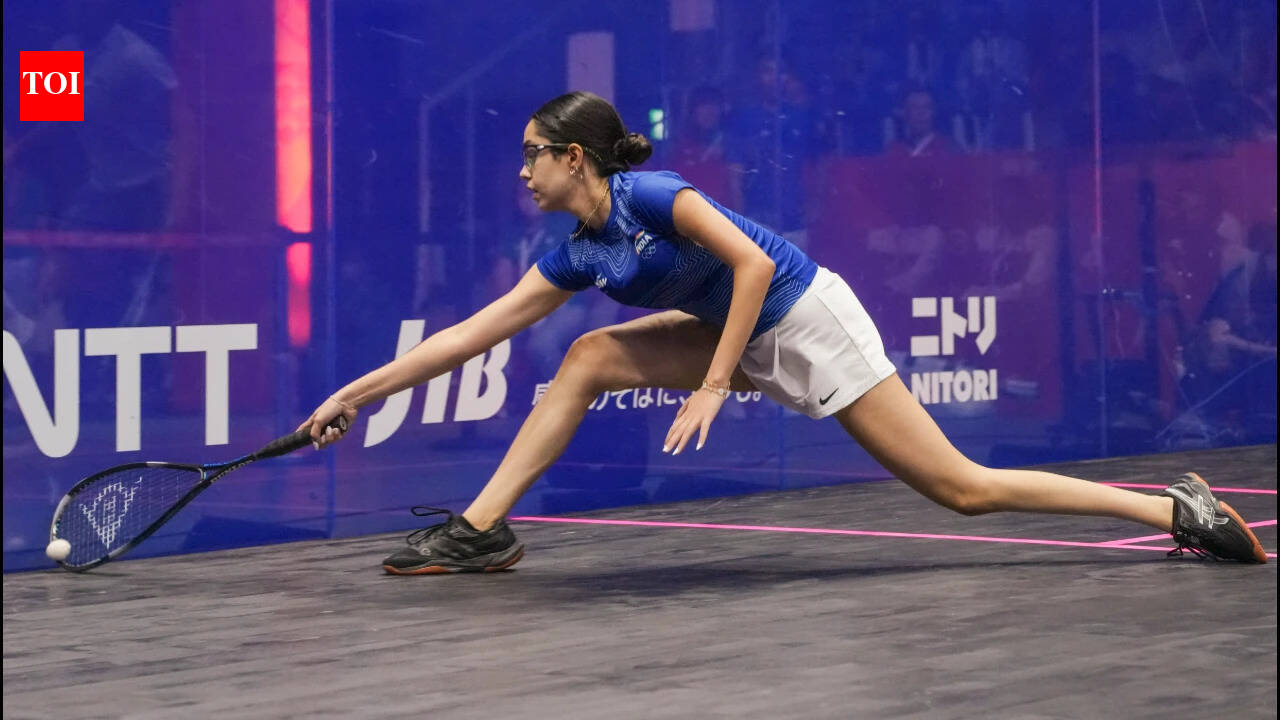
Indian squash sensation Anahat Singh has reached the 2026 Asian Games final after a historic comeback victory against world No. 6 Satomi Watanabe. This win secures her a shot at gold and a potential qualification spot for the 2028 Los Angeles Olympics.
A Historic Breakthrough for Indian Squash
At the 2026 Asian Games, 18-year-old Anahat Singh has etched her name into the history books, becoming the first Indian female squash player to reach a singles final at the continental event. Her victory over world No. 6 Satomi Watanabe represents a monumental shift in the competitive landscape of Indian squash, proving that the nation's rising stars can overcome top-tier international opponents under immense pressure.
Overcoming Adversity on the Court
The narrative of Anahat’s victory is one of profound mental and physical resilience. After dropping the first two games and suffering a painful mid-match collision that resulted in a bleeding finger and neck discomfort, the teenager managed to save two match points. This display of grit against a higher-ranked opponent highlights a maturity far beyond her years and underscores the tactical development occurring within the Indian squash circuit.
The Path to Los Angeles 2028
The significance of this tournament extends well beyond the Asian Games podium. With the 2026 Games serving as the official Asian qualifying event for the 2028 Los Angeles Olympics, where squash will make its long-awaited debut, the stakes could not be higher. Anahat’s performance in the final will directly dictate her path toward becoming one of the first Indian squash players to compete on the Olympic stage.
A Broader Surge for Indian Athletics
Anahat’s success is complemented by the broader performance of the Indian contingent in squash. With Abhay Singh also securing a spot in the men's singles final, India is poised to potentially claim two historic gold medals. Furthermore, the earlier achievement of Joshna Chinappa and Velavan Senthilkumar in clinching bronze in the mixed doubles reflects a sustained upward trajectory for the sport in the country, suggesting that India is transforming from a regional contender into a global force.
Future Trends and Legacy
As the youngest prodigy to make such rapid strides in the sport, Anahat Singh is now a focal point for the future of Indian athletics. Her ability to handle the intensity of a high-stakes environment—often playing before hostile or neutral crowds—positions her as a cornerstone for future Olympic cycles. Should she secure the gold, it will not only solidify her status as a generational talent but also provide a massive stimulus for squash infrastructure and youth development programs across India.
Conclusion
In summary, the 2026 Asian Games have provided a platform for Anahat Singh to demonstrate world-class potential. By turning around a dire deficit against a world No. 6, she has proven that the mental fortitude required for Olympic success is already present in her game. As she enters the final, the eyes of the nation are fixed on her, recognizing that this moment represents the dawn of a new era for Indian squash.
Multiple Citing Sources