Andhra fixes junior doctors’ stipend hike at 3.5% a year from 2027; APJUDA rejects order
Source Entity
India Latest News: Top National Headlines Today & Breaking News | The Hindu
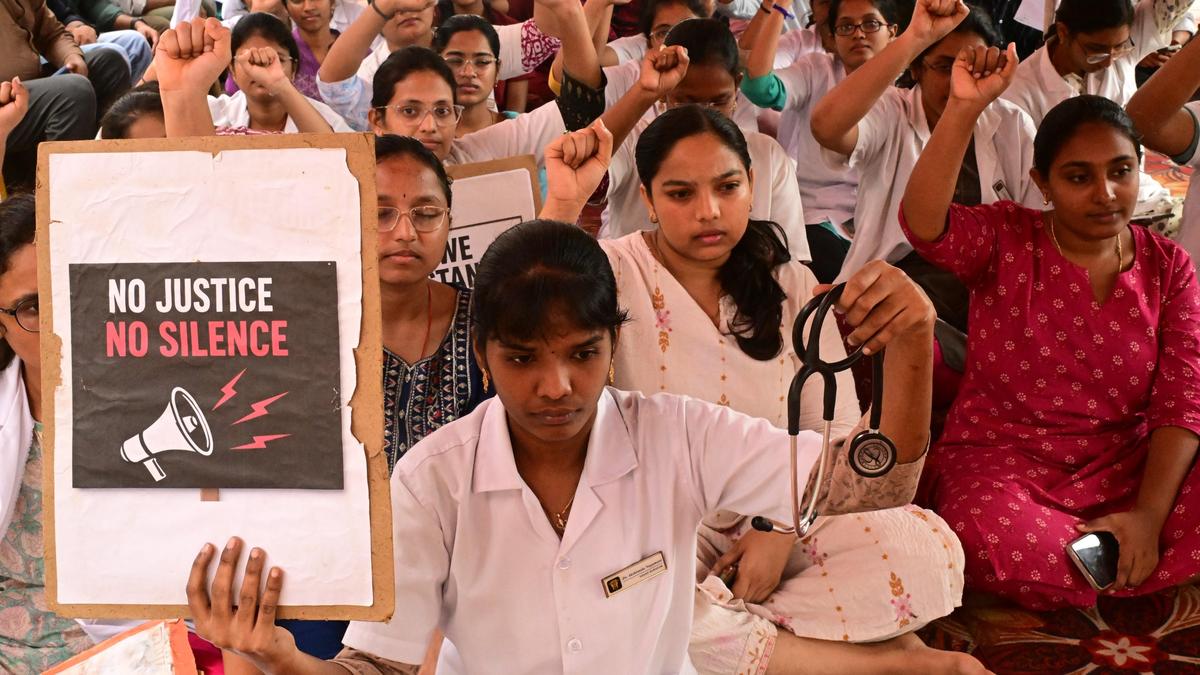
The Andhra Pradesh government has issued G.O. Ms. No. 141, setting a 3.5% annual stipend hike for medical students starting in 2027. The Andhra Pradesh Junior Doctors Association (APJUDA) has rejected the order, citing unilateral decision-making and demanding a reconsideration.
Andhra Pradesh Stipend Dispute: An Overview
The recent release of G.O. Ms. No. 141 by the Andhra Pradesh Health, Medical and Family Welfare Department has reignited tensions between the state government and the medical student community. Issued on September 21, 2026, the order formalizes the government's stance on stipend structures following a period of industrial action by junior doctors. By setting a fixed annual increment of 3.5% effective from January 1, 2027, the administration has attempted to provide a long-term fiscal framework, yet this move has met with immediate resistance from the Andhra Pradesh Junior Doctors Association (APJUDA).
Breakdown of G.O. Ms. No. 141
The government order, signed by Principal Secretary G. Veerapandian, outlines a tiered approach for the immediate term. For the calendar year 2026, the state has mandated a 10% enhancement for MBBS and BDS interns, while postgraduate, super-speciality, MDS, and DNB students receive a 5% increase. This distinction acknowledges the varying roles and training stages of medical personnel, yet the long-term imposition of a 3.5% cap starting in 2027 remains the primary point of contention.
The Stance of APJUDA
APJUDA has formally rejected the government's notification, arguing that the decision was reached unilaterally without adequate consultation with the representative bodies of the doctors. The association's rejection highlights a breakdown in communication between the state health department and the workforce that maintains the operational integrity of public hospitals. By demanding a reconsideration, the junior doctors are signaling that the 3.5% annual hike does not align with their expectations or the rising cost of living and professional demands placed upon medical trainees.
Contextualizing the Strike and Resolution
This government order arrives exactly one month after the junior doctors called off their strike, which had previously paralyzed medical services across the state. The timing of this notification suggests an attempt by the government to normalize administrative procedures following the unrest. However, by formalizing terms that the unions had previously contested during their negotiations, the government has inadvertently reopened the debate, turning a period of post-strike reconciliation into a new phase of administrative conflict.
Broader Implications for Healthcare Infrastructure
The ongoing friction underscores the fragility of the relationship between state governments and junior doctors, who serve as the backbone of public healthcare in India. When stipend policies are dictated rather than negotiated, it risks compromising the morale of the medical workforce, potentially leading to further service disruptions. If the government maintains its rigid 3.5% cap for 2027 and beyond, it may face continued agitation, which could impact the quality of patient care and the stability of the state's medical educational institutions.
Future Trends and Outlook
The immediate future depends on whether the Andhra Pradesh government chooses to engage in a new round of dialogue with APJUDA. If the administration refuses to amend the G.O., the state may see a return to protest tactics or legal challenges from the medical community. Conversely, a willingness to reconsider the 3.5% figure could de-escalate the situation and provide a more sustainable model for future stipend adjustments that satisfies both budgetary constraints and the professional aspirations of medical trainees.
Verification Required?