Lammy urges Burnham take UK back into the EU
Source Entity
BBC News
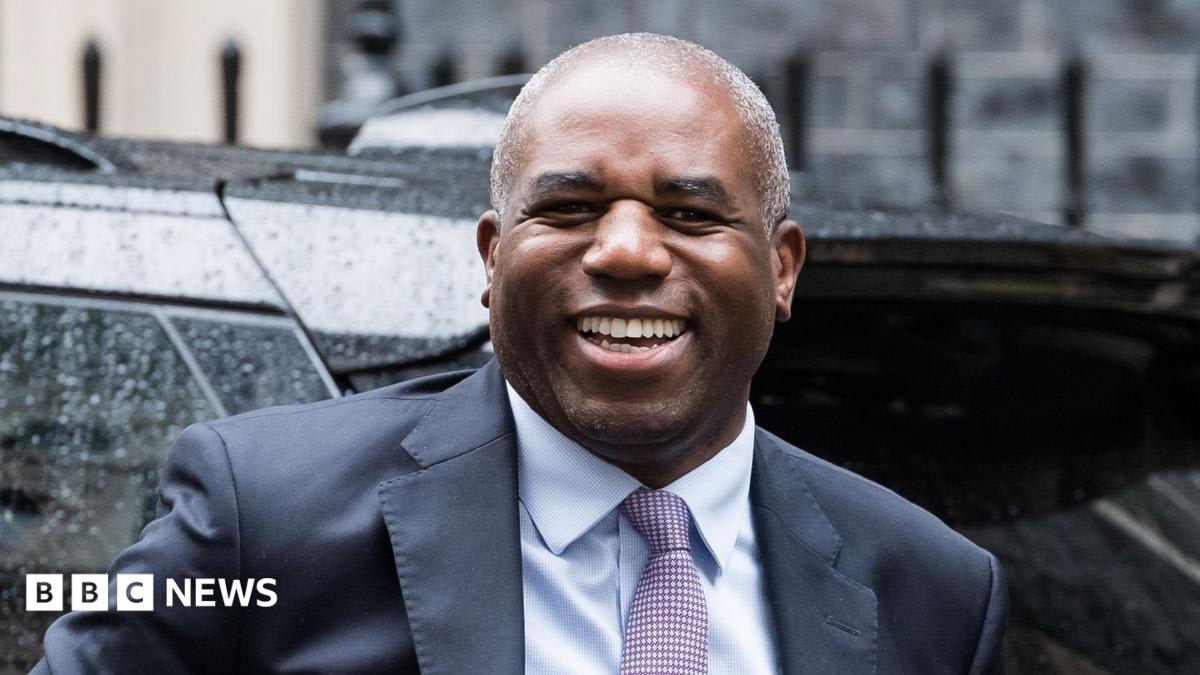
Prime Minister Andy Burnham is pursuing a closer, albeit incremental, realignment with the EU, sparking intense domestic debate. While he seeks pragmatic agreements on trade and mobility, pressure mounts from figures like David Lammy to consider full re-entry.
The Evolving UK-EU Relationship: A Strategic Pivot
Prime Minister Andy Burnham is currently navigating a delicate diplomatic landscape as he prepares for a pivotal summit in Brussels. The administration’s approach focuses on a series of pragmatic, incremental agreements aimed at easing trade and mobility friction. These include a limited youth work and mobility scheme, an agreement on cross-channel carbon emissions pricing, and a deal to simplify food trade. These measures represent a 'reset' of relations rather than a radical structural overhaul, reflecting a cautious attempt to improve economic ties without triggering the volatility associated with full-scale policy reversals.
The Domestic Political Firestorm
Despite the limited scope of these proposals, the political backlash has been significant. Opposition parties, particularly Reform UK and the Conservatives, have framed these negotiations as a 'back door' return to the European Union and a threat to sovereign borders regarding immigration. This rhetoric underscores the enduring sensitivity of the Brexit debate in British politics. Critics like former Prime Minister Boris Johnson have warned that reopening these arguments could undermine the current government's mandate, suggesting that the path to realignment is fraught with domestic electoral risk.
Long-Term Vision vs. Immediate Pragmatism
Burnham has committed to setting out a comprehensive range of options for the UK’s long-term relationship with the EU next month, alongside his 10-year economic strategy. While he has not yet signaled a preference for any specific outcome, the move has emboldened pro-European voices within his own party. Former Deputy Prime Minister David Lammy has publicly urged the government to commit to a platform of full EU re-accession, arguing that only formal membership can provide the economic growth and influence over single market rules that the UK currently lacks.
The Changing Nature of the EU
An essential, often overlooked aspect of this debate is the evolution of the European Union itself. The bloc that Britain departed years ago is structurally and politically different from the one Burnham is now engaging with. The EU has deepened its internal integration and shifted its legislative priorities, meaning that any future UK relationship must be tailored to a contemporary European landscape that prioritizes different strategic imperatives than those seen during the initial Brexit negotiations.
Economic Interdependence and Future Trends
The proposed deal regarding the re-linking of British industry to the EU’s carbon trading regime and the potential reduction of tuition fees for EU students highlight the deep economic interdependence that persists between the two entities. By seeking admission to specific EU manufacturing schemes, the Burnham government is acknowledging that British industrial stability is inextricably linked to European regulatory alignment. Looking forward, the tension between the government’s desire for economic efficiency and the public’s apprehension regarding sovereignty will likely dominate the national discourse until the next general election.
Conclusion: A Balancing Act
In summary, Andy Burnham is attempting to balance the immediate, practical needs of the British economy with the polarized political realities of post-Brexit Britain. By focusing on specific, sector-based agreements, he hopes to move past the rhetoric of the past. However, as pressure from within his own ranks for full membership grows, the Prime Minister faces the daunting task of defining a long-term strategy that satisfies both the economic necessity of cooperation and the political demand for national autonomy.