No mandate only women personnel can ‘handle’ women in crowd-control operations, Delhi Police to SC
Source Entity
India Latest News: Top National Headlines Today & Breaking News | The Hindu
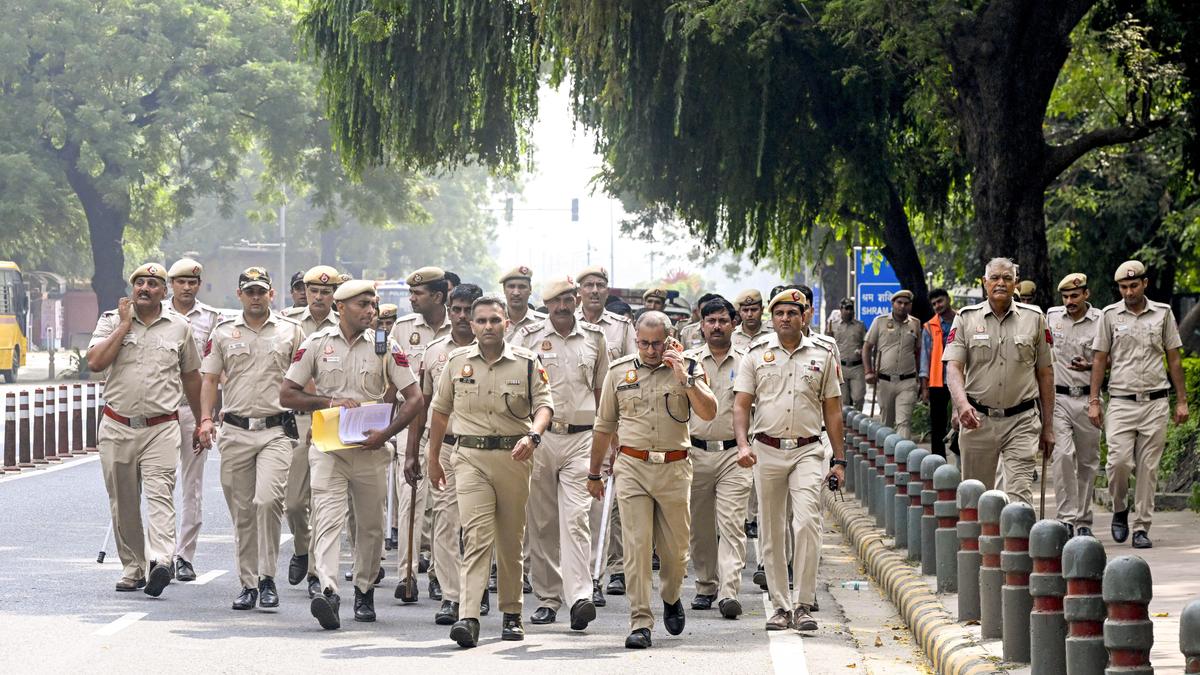
The Delhi Police has informed the Supreme Court that 'reel makers' do not qualify as journalists and that there is no legal mandate requiring only female officers to handle women during crowd control. These submissions were made in response to petitions regarding police conduct during protests at Jantar Mantar.
The Legal Distinction Between Journalism and Content Creation
The recent affidavit filed by the Delhi Police in the Supreme Court marks a significant moment in the evolving discourse surrounding digital media and free speech. By explicitly distinguishing between professional journalists and those labeled as "reel makers," the police are seeking to clarify the scope of protections afforded to the press. The authorities argue that while they respect the role of the media, individuals who utilize cameras and microphones primarily for the commercial exploitation of content do not belong to the same protected class as members of the print, electronic, or digital press.
The Challenge of Defining the 'Press' in the Digital Age
This legal stance highlights the complexities brought about by the creator economy. As social media platforms become primary sources of information, the line between citizen journalism, independent content creation, and professional reporting has blurred. The Delhi Police's submission suggests a desire to establish a regulatory framework that differentiates between those performing the public service of reporting and those creating content for personal or commercial gain at protest sites like Jantar Mantar.
Crowd Control and Gender-Specific Policing
Beyond the status of the media, the affidavit addresses the sensitive issue of crowd control protocols. In response to allegations of misconduct by male officers toward female protesters and journalists during demonstrations demanding the resignation of CEC Gyanesh Kumar, the police have clarified their operational guidelines. They contend that while specific legal requirements exist for the arrest or search of women, these do not necessarily extend to all general crowd-control situations where physical management is required.
Implications for Civil Liberties and Oversight
These arguments were presented in response to petitions from prominent organizations, including the Network of Women in Media, India, and the Delhi Union of Journalists. These groups are raising critical questions regarding the safety of journalists and the treatment of women in public spaces during civil unrest. The court's eventual ruling on these matters will likely set a precedent for how law enforcement agencies manage large-scale protests and interact with an increasingly diverse group of people documenting public events.
Future Trends in Media Regulation
As the Supreme Court considers these submissions, the outcome will have profound implications for both media professionals and digital content creators in India. If the courts uphold a strict distinction, it could lead to new accreditation standards or access limitations for non-traditional media. Conversely, a broader interpretation could force police to refine their crowd-control tactics to accommodate the growing number of individuals documenting public life, ensuring that the fundamental right to free expression is balanced against the necessity of maintaining public order.
Verification Required?