Gautam Budh Nagar draft voter list out, claims and objections open till December 16
Source Entity
Latest News: Todays Latest News Headlines from India & World | Hindustan Times
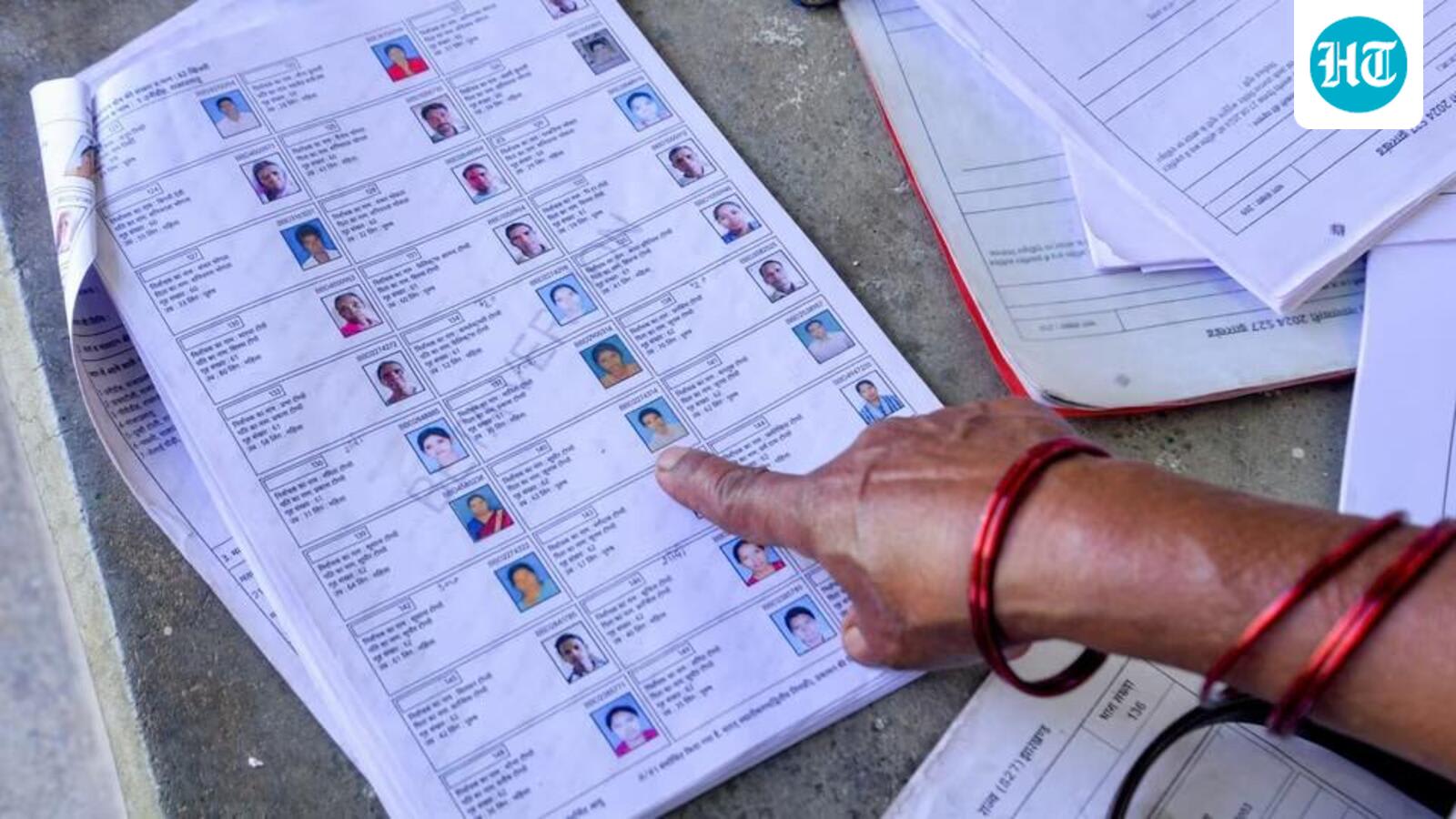
Uttar Pradesh has published a draft electoral roll showing a net increase of over 18 lakh voters, bringing the total to 13.59 crore. This revision period allows for public claims and objections ahead of the 2027 state assembly elections.
Uttar Pradesh Electoral Roll Update: A Comprehensive Overview
Uttar Pradesh, India's most populous state, has officially released its draft electoral roll as part of the ongoing Special Summary Revision (SSR). According to Chief Electoral Officer (CEO) Navdeep Rinwa, the state’s electorate now stands at approximately 135.9 million (13.59 crore). This significant update comes as the state prepares for the upcoming assembly elections scheduled for 2027, highlighting the ECI's commitment to maintaining accurate and inclusive voter databases.
Analyzing the Surge in Voter Registration
The latest figures indicate a net addition of 1.88 million (18.84 lakh) voters since the previous final roll was published on April 10. A noteworthy demographic trend is the participation of women, who account for nearly 1.1 million of these new registrations. This surge underscores ongoing efforts by the Election Commission of India (ECI) to bridge gender gaps in democratic participation and ensure that the electorate is representative of the state's diverse population.
Regional Disparities and Urban Growth
The revision process has not been uniform across the state. Significant urban centers have seen notable spikes in voter registration. For instance, the Ghaziabad district recorded an addition of 61,235 voters, while the Gautam Buddha Nagar district saw a total rise of 22,346, with Noida alone contributing 6,041 new electors. These figures reflect the rapid urbanization and migration patterns within Uttar Pradesh, which require constant administrative vigilance to ensure all eligible citizens are captured in the electoral rolls.
Political Context and Contentious Debates
The publication of these rolls arrives amid a climate of intense political scrutiny. Recently, Chief Minister Yogi Adityanath alleged that 1.27 crore Hindu voters had been excluded from the rolls during the preceding Special Intensive Revision (SIR). While the opposition has challenged the source and validity of these claims, the debate emphasizes the high political stakes attached to electoral data in Uttar Pradesh. The current SSR process is therefore not just an administrative task, but a focal point for political discourse.
The Role of Claims and Objections
It is vital to recognize that the published list is a 'draft' roll. The Election Commission has opened a formal window for citizens to submit claims and objections regarding the current data. This mechanism is the cornerstone of the ECI's transparency, allowing for the correction of errors, the removal of ineligible entries, and the inclusion of missed voters before the roll is finalized. This period of public verification is crucial for the integrity of the 2027 assembly elections.
Future Trends and Electoral Integrity
Despite the recent addition of 18.84 lakh voters, the total electorate remains roughly 18.5 million smaller than the 154.4 million recorded prior to the ECI's previous intensive revision. This discrepancy highlights the dynamic nature of electoral rolls, which undergo constant churning due to migration, deaths, and age-related eligibility. Looking ahead, the focus will remain on how effectively the ECI processes the incoming claims and objections to ensure that the final roll for 2027 is both accurate and reflective of the current demographic reality in Uttar Pradesh.
Multiple Citing Sources
Verification Required?