SCBA urges SC to initiate criminal contempt proceedings against advocate
Source Entity
DHANANJAY MAHAPATRA
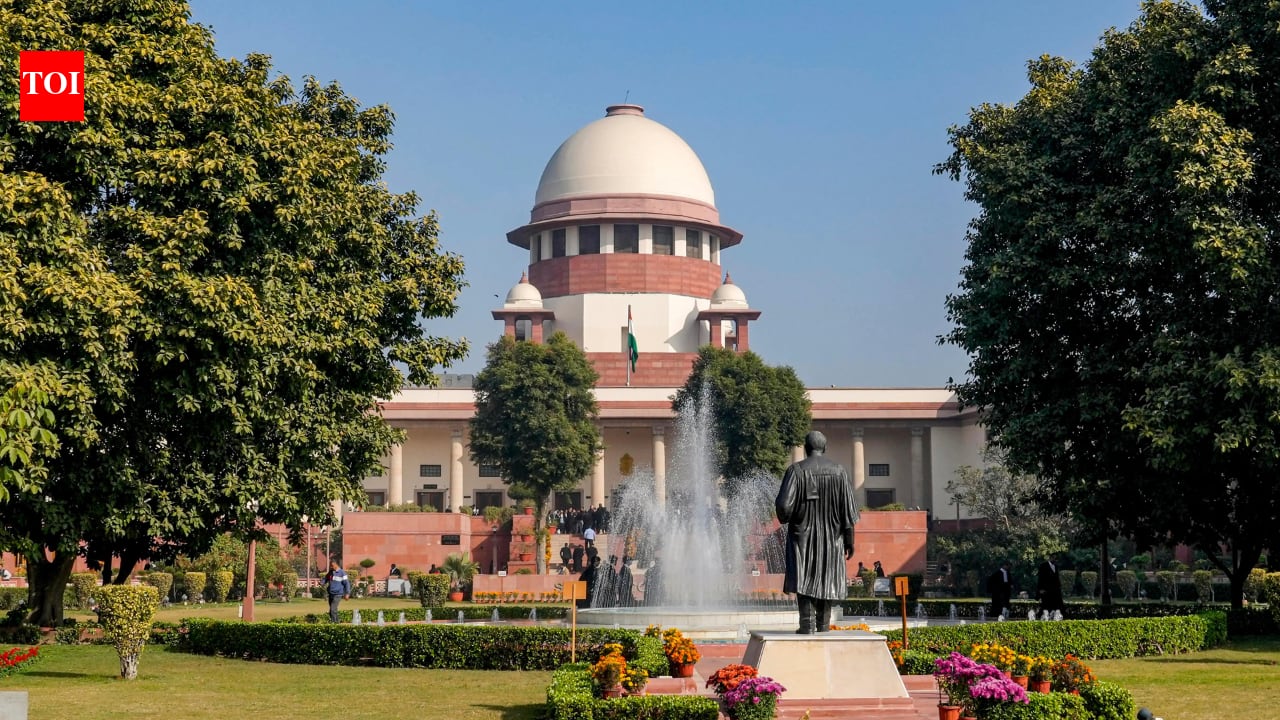
The Supreme Court Bar Association has petitioned the Supreme Court to initiate criminal contempt proceedings against advocate Pravin Singhal. The move follows an incident where Singhal allegedly created an unruly scene and questioned the integrity of the Chief Justice of India.
Upholding Judicial Decorum: The SCBA Contempt Petition
The Incident at the Supreme Court
On Tuesday, the Supreme Court Bar Association (SCBA) took a decisive step to protect the sanctity of the judiciary by filing a petition seeking criminal contempt proceedings against advocate Pravin Singhal. This legal action stems from an incident occurring on Monday, where Singhal reportedly created an unruly scene within the hallowed halls of the Supreme Court. During this disruption, he directly questioned the integrity of the Chief Justice of India (CJI), an act that the bar association views as a severe breach of professional conduct and judicial decorum.
Legal Process and Institutional Integrity
To ensure the gravity of the matter was formally recognized, the SCBA secured the mandatory consent of the Attorney General, R. Venkataramani, before moving the petition. The formal request was presented by SCBA general secretary Pragya Baghel before a bench comprising Chief Justice Surya Kant and Justices Joymalya Bagchi and V. Mohana. By seeking an urgent listing, the SCBA is signaling that attacks on the dignity of the Chief Justice are not merely personal affronts but are viewed as threats to the institutional integrity of the highest court in the land.
The Role of Criminal Contempt
Criminal contempt of court is a powerful legal instrument designed to prevent the undermining of the judicial process. Under the Contempt of Courts Act, actions that scandalize or tend to scandalize the court, or lower the authority of any court, are punishable. In this instance, the SCBA’s petition underscores the principle that while advocates have the right to zealous advocacy, such rights are bounded by the duty to maintain the majesty of the law and respect for the presiding officers of the court.
Broader Implications for Legal Practice
This development highlights the ongoing tension between freedom of expression for legal professionals and the necessity of maintaining order within judicial proceedings. The legal fraternity is inherently self-regulating; therefore, the SCBA’s proactive stance serves as a reminder that the bar is responsible for policing its own members when professional boundaries are crossed. Such interventions are crucial to ensuring that courtrooms remain spaces for reasoned debate rather than arenas for personal attacks on judicial officers.
Future Trends and Judicial Stability
The judiciary, as the final arbiter of justice, relies heavily on public trust and internal stability. If lawyers, who are officers of the court, engage in behavior that brings the institution into disrepute, it threatens the foundational confidence the public places in the legal system. As the Supreme Court considers the SCBA’s petition, the outcome will likely serve as a precedent for how the court balances the right to dissent with the absolute necessity of maintaining decorum, potentially influencing how future incidents of courtroom misconduct are handled.
Conclusion
The petition filed by the SCBA is a significant development in protecting the dignity of the Supreme Court. By involving the Attorney General and seeking immediate judicial review, the bar association is reinforcing the standards of professional ethics expected of legal practitioners in India. The unfolding of this case will be a critical indicator of the judiciary's commitment to protecting its own processes from disruptive behavior.