Burnham vows to end existing pension triple lock in 2030 to help fund care
Source Entity
BBC News
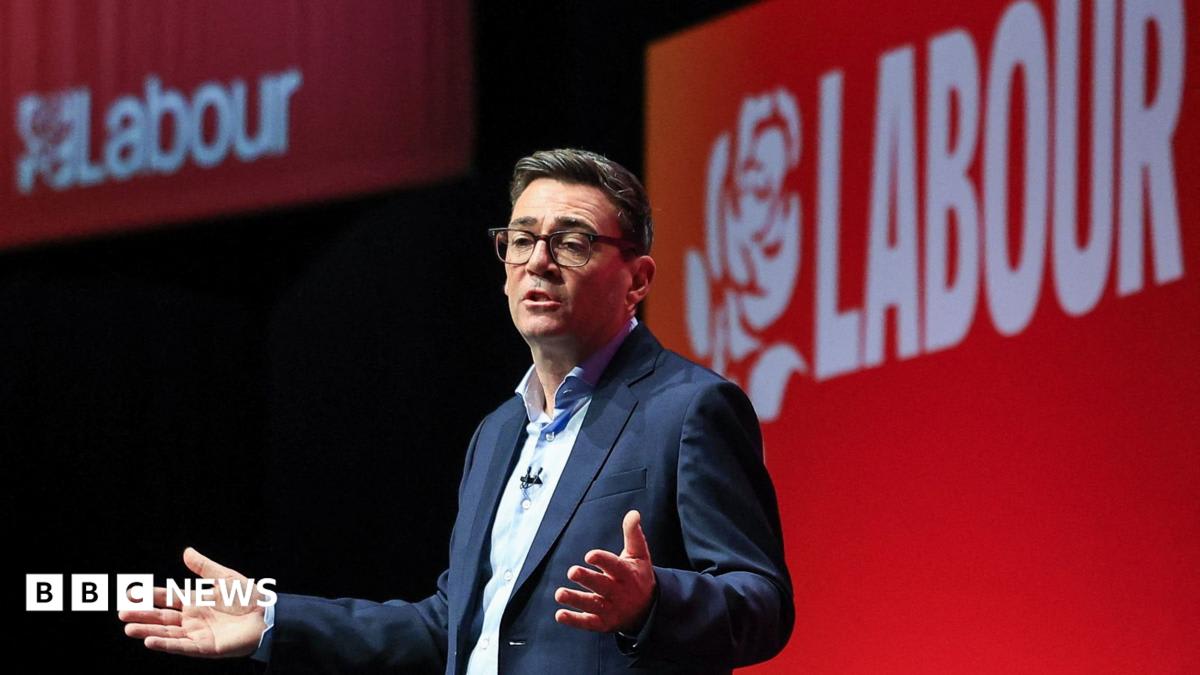
Prime Minister Andy Burnham has announced plans to reform the pension triple lock by 2030 to fund a new national care service. His speech at the Labour conference also included proposals for public ownership of water companies and electoral reform.
A Defining Moment in Liverpool: Burnham's Vision
At his first Labour conference as Prime Minister, Andy Burnham delivered a speech that seamlessly blended personal vulnerability with high-stakes policy reform. The address was marked by a deeply emotional reflection on the recent death of his father, a narrative thread that served as the moral foundation for his most ambitious domestic agenda to date. By framing his legislative goals through the lens of family legacy, Burnham sought to establish a connection with the electorate that transcends traditional party politics.
The Pension Triple Lock and Social Care
The centerpiece of the Prime Minister's announcement is a fundamental shift in the pension triple lock mechanism, established in 2010. Burnham has proposed maintaining the current structure—which ensures pensions rise by the highest of inflation, earnings, or 2.5%—until 2030, at which point he intends to adjust the policy. The stated objective is to generate the necessary fiscal headroom to fund a new national social care service. Burnham acknowledged the political volatility of this decision, famously noting his willingness to "rip the plaster off" to secure long-term stability for care provision.
Structural Shifts: Water and Democracy
Beyond fiscal reform, Burnham utilized his platform to signal a radical departure from the status quo on public utilities and democratic institutions. His commitment to lifting the ban on public ownership of water companies represents a significant ideological pivot, signaling a move toward greater state oversight of essential services. Furthermore, his proposal to alter the UK’s electoral system suggests an intent to address broader concerns regarding democratic accountability and representation that have lingered in the national discourse for years.
The Politics of Long-Term Planning
Political analysts have noted the strategic timing of these announcements. By introducing these transformative ideas well in advance of the next general election, Burnham is attempting to avoid the pitfalls that have historically derailed similar efforts by both Labour and Conservative predecessors. By initiating a multi-year gestation period for these policies, the government hopes to "win the argument" in the public consciousness before the legislative battles fully intensify.
Navigating the Political Pain Barrier
Burnham’s rhetoric suggests he is fully aware of the "political price" inherent in these reforms. The tension between the immediate needs of the voter and the long-term sustainability of the state is the central challenge of his premiership. As he attempts to balance the legacy of his father with the realities of governance, the coming years will be defined by his ability to maintain party unity while convincing a skeptical public that the "pain barrier" of these reforms will ultimately yield a more robust and equitable social care system.
Conclusion: A Prospectus for the Future
The Labour conference has provided a clear view of the Burnham administration’s long-term prospectus. By anchoring his policy proposals in both personal history and structural reform, the Prime Minister has set a high bar for his government. Whether these ambitious plans for social care, public utilities, and electoral reform can survive the rigors of political life will be the defining measure of his time in office.