Could Andy Burnham scrap stamp duty?
Source Entity
BBC News
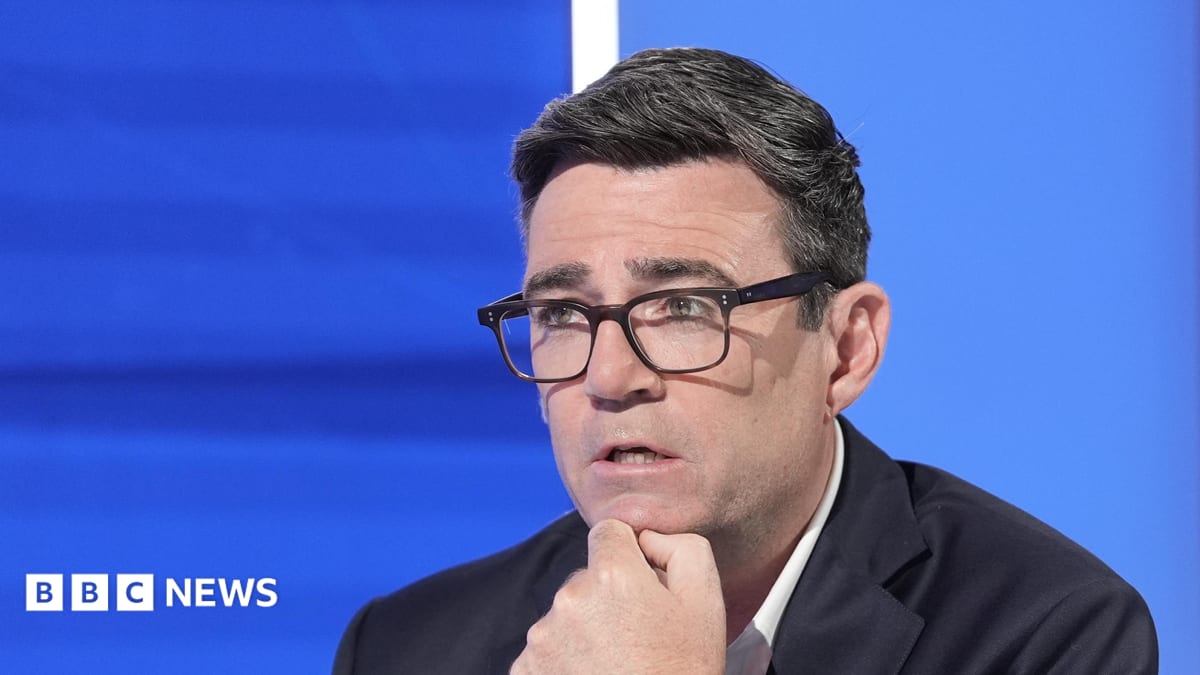
Andy Burnham has spoken about reforming stamp duty and council tax - what do experts think he might do when he becomes PM?
Analysis of Andy Burnham's Proposed Tax Reforms
Andy Burnham, the Mayor of Greater Manchester, has recently entered a provocative discourse regarding the potential scrapping or significant reform of stamp duty and council tax. This move signals a strategic shift in his political positioning, moving from regional administration toward a broader national fiscal critique. By targeting two of the most contentious pillars of the UK's property-based taxation, Burnham is addressing a core grievance of homeowners and first-time buyers: the perceived inefficiency and unfairness of the current system.
The Stamp Duty Dilemma and Market Mobility
Stamp Duty Land Tax (SDLT) has long been criticized by economists as a 'tax on mobility.' By imposing a significant upfront cost on home buyers, the tax often discourages people from moving to homes that better suit their needs, thereby stagnating the housing market. If Burnham were to pursue the scrapping of stamp duty, as suggested by the current discourse, the immediate effect would likely be an increase in transaction volumes. This could potentially unlock 'downsizer' equity, allowing older homeowners to move into smaller properties and freeing up family homes for a younger generation of buyers.
Reimagining Council Tax for the Modern Era
Parallel to the stamp duty debate is the call for council tax reform. The current system is widely regarded as outdated, as many valuations are based on property prices from the early 1990s. This has created a systemic imbalance where residents in lower-value areas may pay a disproportionately higher percentage of their home's current value than those in affluent areas. Burnham's interest in reforming this structure suggests a drive toward a more progressive tax system—perhaps one based on current market values or a land-value tax—which would align more closely with modern economic realities and social equity goals.
Political Ambitions and the Path to Downing Street
The specific mention of Burnham's potential trajectory toward the role of Prime Minister adds a layer of strategic ambition to these policy suggestions. By championing tax reforms that resonate with a wide demographic of voters across the UK, Burnham is building a national profile that transcends his role as a city-region mayor. This positioning allows him to present himself as a bold reformer capable of tackling the 'cost of living crisis' through structural change rather than mere subsidies, potentially distinguishing him from other leadership figures within the Labour Party.
Economic Risks and Treasury Constraints
Despite the populist appeal of scrapping stamp duty, such a move presents severe fiscal challenges. Stamp duty generates billions of pounds in annual revenue for the Treasury. Any proposal to remove it would require a comprehensive plan to plug the resulting budgetary hole. Experts suggest that such a reform would likely need to be paired with an increase in other taxes, such as Capital Gains Tax or a redesigned annual property tax, to avoid destabilizing public services. The tension between political desirability and fiscal responsibility will be the primary hurdle for any such policy implementation.
Conclusion: A Shift Toward Fiscal Modernization
In summary, Andy Burnham's focus on stamp duty and council tax reform represents a calculated attempt to address the systemic failures of the UK housing market. While the transition from Mayor to Prime Minister remains speculative, the discourse itself serves as a catalyst for a necessary conversation on fiscal modernization. Whether these proposals eventually become law or remain theoretical, they highlight a growing appetite for a property tax system that prioritizes mobility and fairness over antiquated valuation models.