Iltija Mufti says under house detention with mother Mehbooba ahead of Martyr’s Day in Kashmir
Source Entity
Bashaarat Masood
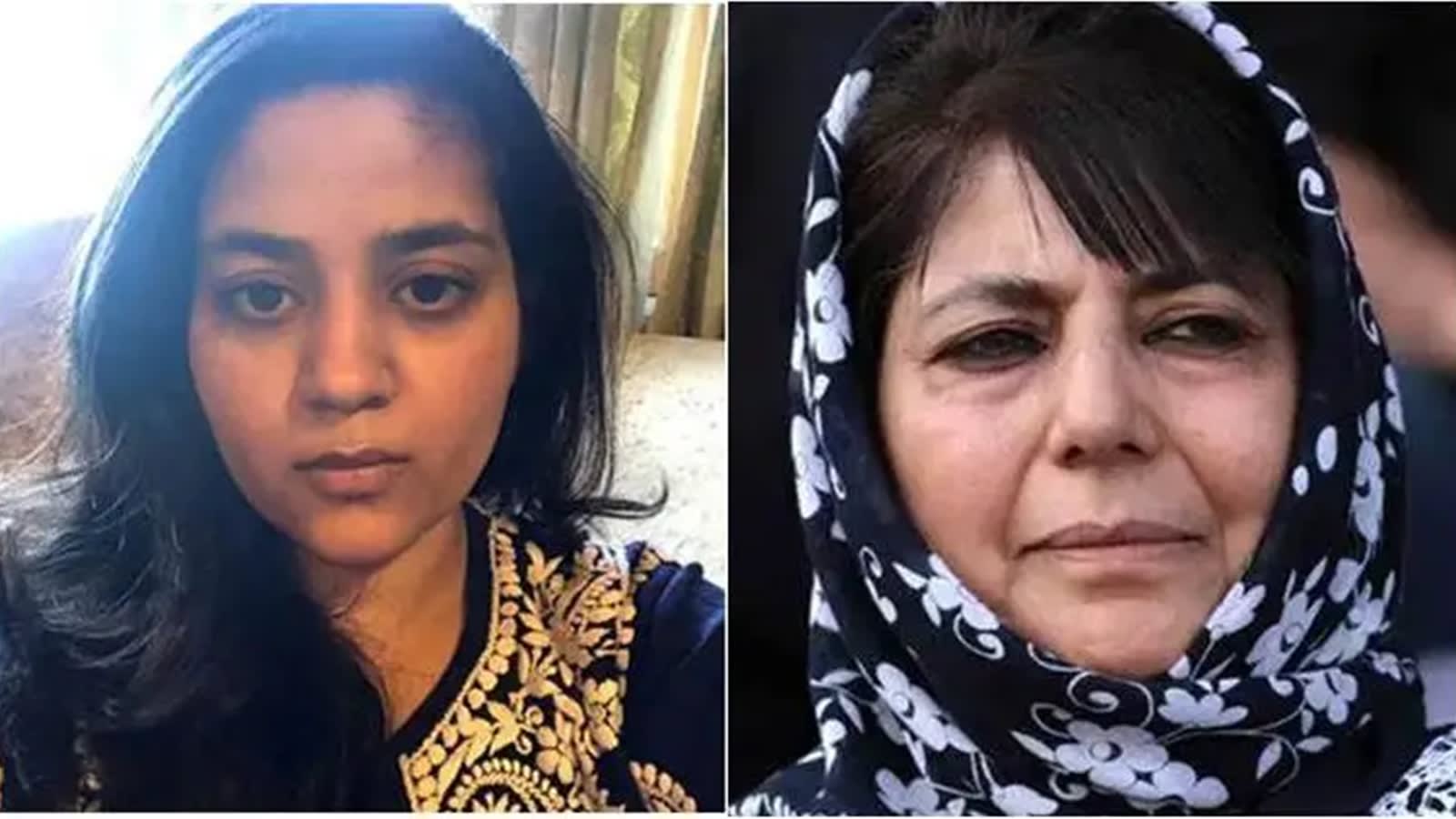
People’s Democratic Party (PDP) leader Iltija Mufti has said that she and her mother, former chief minister Mehbooba Mufti, have been put under house detention ahead of July 13, observed in Kashmir as...
Detention of PDP Leadership Ahead of July 13
In a recurring pattern of security-led administrative measures in Jammu and Kashmir, People’s Democratic Party (PDP) leader Iltija Mufti and her mother, former Chief Minister Mehbooba Mufti, have been placed under house detention. This action comes immediately preceding July 13, a date of significant historical and political weight in the region, known as Martyr’s Day. The detention of high-profile political figures suggests a preemptive strategy by the administration to curb potential gatherings and protests that typically accompany the anniversary.
The Historical Significance of July 13
To understand the gravity of these detentions, one must look at the historical context of July 13. This day commemorates the events of 1931, when a popular uprising against the Dogra monarchy led to the deaths of several Kashmiri Muslims. For many in the valley, this date serves as a symbol of the beginning of the struggle for political consciousness and civil rights. Because the day often attracts large crowds and political demonstrations, the security apparatus in Kashmir frequently views it as a flashpoint for unrest, leading to the restrictive measures seen with the Mufti family.
The Strategy of Preventive Detention
The use of house detention for political leaders in Jammu and Kashmir is a contentious tool of governance. From a security perspective, the administration argues that such 'preventive' measures are necessary to maintain law and order and prevent the incitement of crowds during sensitive anniversaries. However, from a political and human rights perspective, this is often viewed as a suppression of democratic expression and a limitation on the freedom of movement. The Muftis' detention highlights the ongoing tension between the state's security imperatives and the fundamental political rights of elected representatives.
Impact on the PDP and Regional Politics
The People's Democratic Party (PDP) has navigated a complex landscape since the revocation of Article 370 in 2019. By placing its top leadership under detention, the administration effectively neutralizes the party's ability to lead public discourse on Martyr's Day. This creates a vacuum in leadership during a time of high emotional resonance for the local population. The repeated nature of these detentions may further alienate the political class from the administration, reinforcing a narrative of systemic marginalization of regional political voices.
Iltija Mufti and the New Guard
Iltija Mufti's role in this narrative is particularly noteworthy. As a younger voice within the PDP, she has been vocal about the restrictions imposed on political activity in the region. Her detention alongside her mother signifies that the administration views the younger generation of the Mufti political lineage as equally influential in mobilizing public sentiment. By utilizing digital platforms to announce their detention, Iltija continues to bring international and national attention to the restrictive environment in which Kashmiri politicians operate.
Future Trends and Democratic Implications
Looking forward, the continued reliance on house detentions ahead of symbolic dates suggests that the administration still perceives a significant risk of instability despite claims of 'normalcy' in the region. As Jammu and Kashmir moves toward potential electoral processes, the treatment of regional leaders will be a critical indicator of the democratic space available. If preventive detentions remain the standard operating procedure for sensitive dates, it may complicate the transition toward a fully functioning representative government and hinder the reconciliation process between the state and its political stakeholders.
Conclusion
The house detention of Mehbooba and Iltija Mufti is not an isolated incident but a symptom of the deep-seated security concerns and political volatility that characterize Jammu and Kashmir. While the state seeks to ensure peace on July 13, the cost is the temporary suspension of political liberty for some of the region's most prominent figures. This cycle of detention and observance underscores the enduring sensitivity of Kashmiri political identity and the complex challenge of balancing security with democratic norms.