Venkaiah Naidu urges youth to embrace ideology-based politics
Source Entity
India Latest News: Top National Headlines Today & Breaking News | The Hindu
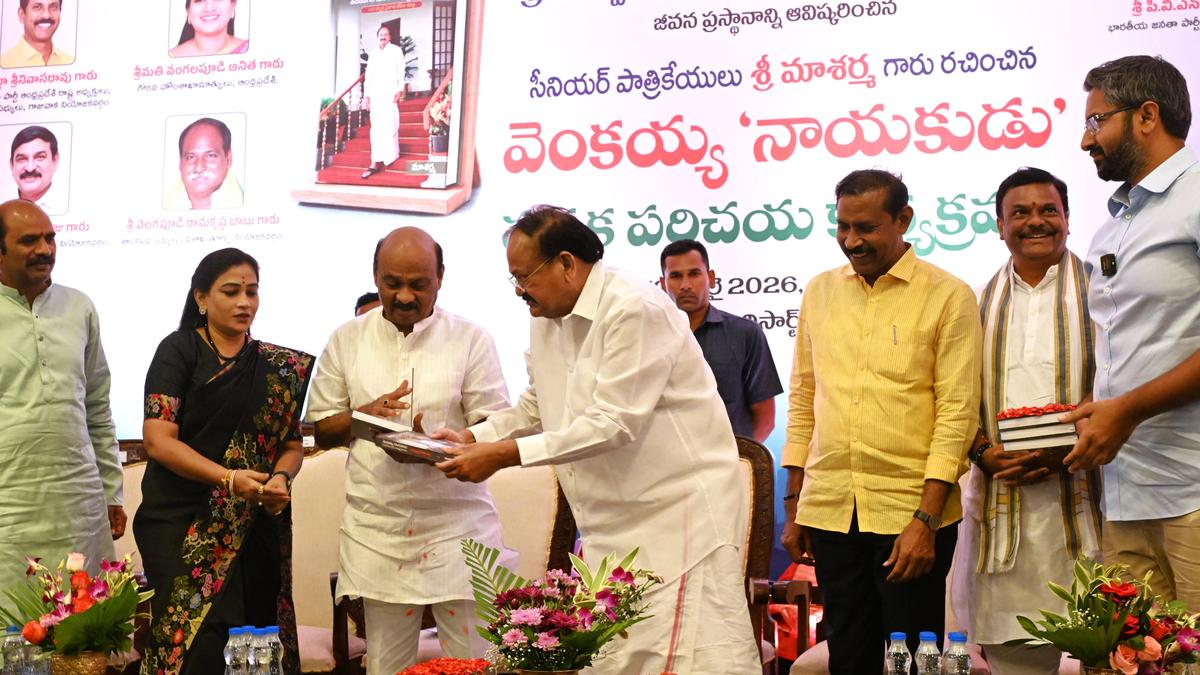
Former Vice-President says party-hopping should follow resignation from elected posts, calls for a national debate on anti-defection law, and urges political leaders to uphold civility in public life
Strengthening the Moral Fabric of Indian Politics: An Analysis of Venkaiah Naidu's Call to Action
Former Vice-President Venkaiah Naidu has issued a poignant call to the younger generation, urging them to steer the future of Indian governance toward ideology-based politics. In an era often characterized by pragmatic alliances and shifting loyalties, Naidu's emphasis on conviction over convenience serves as a critical reminder of the foundational principles of a healthy democracy. By targeting the youth, Naidu aims to cultivate a new class of leadership that prioritizes a coherent political philosophy over the mere pursuit of power, suggesting that the long-term stability of the nation depends on leaders who are anchored in a clear set of values.
The Crisis of Opportunism and the Anti-Defection Debate
One of the most contentious issues highlighted by the former Vice-President is the prevalence of "party-hopping." Naidu argues that the current political culture allows elected representatives to switch affiliations without sufficient accountability to the electorate. To rectify this, he proposes a strict ethical standard: any leader wishing to change their political party should first resign from their elected post. This approach would effectively force representatives to seek a fresh mandate from the people if they choose to abandon the platform upon which they were originally elected, thereby eliminating the "horse-trading" culture that often destabilizes state and central governments.
Furthermore, Naidu's call for a national debate on the anti-defection law strikes at the heart of a long-standing constitutional dilemma in India. The Tenth Schedule of the Constitution was designed to prevent political instability; however, critics argue it has often been used to stifle internal party dissent and muzzle the voice of the representative. By calling for a broad national discourse, Naidu suggests that the law needs a modern re-evaluation to balance the need for party discipline with the democratic necessity of allowing members to voice genuine ideological disagreements without the fear of losing their seats.
Restoring Civility in the Public Square
Beyond the structural and legal aspects of governance, Naidu has emphasized the urgent need for civility in public life. The contemporary political landscape is increasingly marked by polarized rhetoric and personal attacks, which often overshadow policy discussions. Naidu's plea for political leaders to uphold decorum is not merely about politeness, but about the functional health of the parliamentary system. When civility erodes, the ability to reach consensus and engage in constructive opposition diminishes, leading to legislative deadlock and a disillusioned citizenry.
The Strategic Role of Youth in Political Evolution
The focus on youth is a strategic move to ensure a generational shift in political behavior. Naidu recognizes that young entrants into politics are often the most susceptible to the prevailing culture of opportunism, yet they also possess the greatest potential to disrupt it. By encouraging them to embrace ideology, he is advocating for a shift from "career politicians" to "conviction politicians." This transition is essential for the evolution of the Indian state, as ideology-driven leaders are more likely to implement consistent, long-term policies rather than short-term populist measures designed solely for electoral gain.
Conclusion: Toward a Principled Democracy
In summary, Venkaiah Naidu's assertions provide a comprehensive roadmap for the ethical revitalization of Indian politics. By linking the necessity of ideology with the reform of the anti-defection law and the restoration of public civility, he addresses both the symptoms and the root causes of political decay. If the youth embrace this call, the resulting shift could lead to a more transparent, accountable, and principled democratic process, where the mandate of the voter is respected and the discourse of the leader is elevated.
Verification Required?