Rejected in India for being ‘too dark, tall’, Anjali Mendes became Pierre Cardin’s muse
Source Entity
The Indian Express
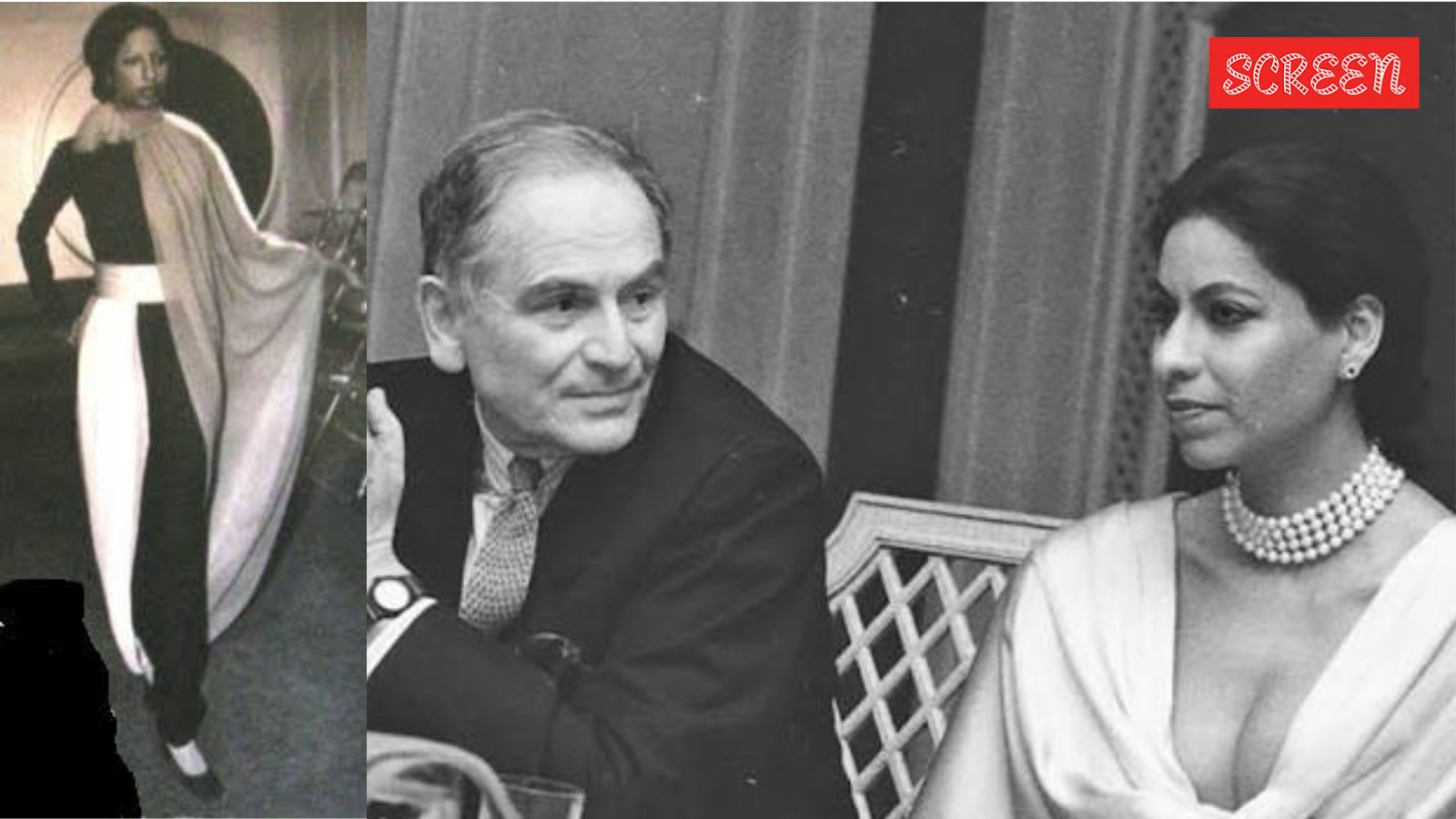
Anjali Phyllis Mendes, an Indian model once rejected for her physical appearance, rose to international fame as a muse for designer Pierre Cardin in Paris. Her story highlights the contrast between restrictive beauty standards in India and the global fashion industry's evolving appreciation for diversity.
The Resilience of Anjali Phyllis Mendes: A Journey from Rejection to Icon
Breaking Barriers in the Fashion World
Anjali Phyllis Mendes, born just before India’s independence as Phyllis Mendes, stands as a testament to the idea that beauty is often a matter of perspective. While she was once dismissed within India for failing to conform to traditional beauty standards—specifically being labeled 'too tall,' 'too dark-skinned,' and 'too skinny'—these very traits became the cornerstones of her international success. Her journey serves as a powerful reminder of how subjective aesthetic values can be and how cultural contexts dictate the perception of a person's worth.
The Pierre Cardin Connection
The turning point in Mendes’s life occurred when she transitioned from a struggling model in India to a muse for the legendary French designer Pierre Cardin. In the global fashion capital of Paris, Cardin recognized an aesthetic in Mendes that her home country had failed to appreciate. By hiring her on the spot, Cardin not only validated her unique physical attributes but also challenged the narrow scope of the fashion industry at the time. This partnership proved that what one society might view as a liability, another might celebrate as a high-fashion asset.
Reclaiming Identity and Challenging Norms
Before her rise to prominence, Mendes lived a life characterized by a spirited rejection of gendered expectations. She famously recounted her youth, noting her affinity for climbing trees and playing cricket, activities that defied the restrictive social roles often imposed upon women in mid-20th century India. This inherent confidence and refusal to be defined by domestic expectations likely fueled her persistence in the cutthroat environment of the European modeling circuit.
The Dichotomy of Beauty Standards
The story of Anjali Mendes highlights a significant historical tension between local beauty standards and international high-fashion requirements. In India, the preference for specific physical traits often mirrored colonial-era prejudices and conservative social norms. However, by succeeding in Paris, Mendes bridged these worlds, forcing a re-evaluation of what constitutes 'model' material. Her success story acts as an early precursor to the modern fashion industry's ongoing struggle to embrace diverse body types and skin tones.
A Legacy of Trailblazing
As the first Indian model to truly break into the global mainstream, Mendes paved the way for subsequent generations of Indian talent. Her legacy is not merely one of aesthetic triumph but of cultural defiance. By refusing to let the rejection from her home country dictate her professional trajectory, she opened doors for future models who similarly challenge the status quo. Her life remains a profound lesson in the importance of finding one's 'connoisseur'—that one environment or individual who truly recognizes one's intrinsic value regardless of external prejudice.