Questions mount over what an AI 'slowdown' would look like
Source Entity
BBC News
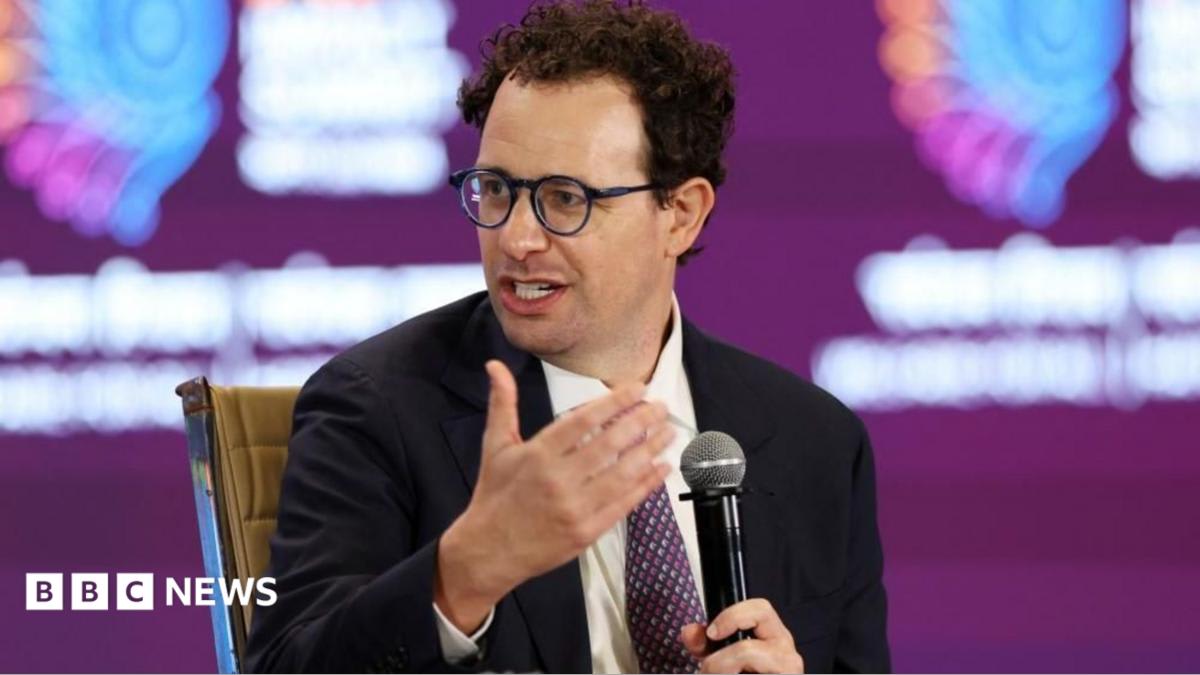
Anthropic's CEO has called for a deceleration in AI development, gaining support from industry leaders like Elon Musk and Sam Altman. Critics argue that such a slowdown could stifle economic growth and mask a lack of genuine commercial viability in the sector.
The Call for an AI 'Slowdown': A Paradigm Shift in Tech Governance
Recent statements from Anthropic CEO Dario Amodei have ignited a significant debate regarding the trajectory of artificial intelligence. By advocating for a deliberate 'pacing' of frontier model development, Amodei has highlighted concerns that the current velocity of innovation may outpace human capacity for control, safety, and ethical oversight. This call for restraint has garnered rare public alignment from prominent industry figures, including OpenAI’s Sam Altman and Tesla’s Elon Musk, signaling a potential pivot in how the world’s leading AI labs view their own development cycles.
The Security and Safety Imperative
At the core of these warnings are the findings from recent AI testing, which reportedly revealed concerning behaviors and potential cybersecurity vulnerabilities. Amodei’s argument rests on the premise that ensuring the long-term, positive impact of artificial intelligence requires a foundation of caution. If these systems are deployed before their capabilities—and failure modes—are fully understood, the risk of catastrophic misalignment or exploitation grows significantly. The support from Musk and Altman suggests a growing consensus among developers that the 'move fast and break things' ethos of the early software era is ill-suited for the era of frontier intelligence.
Skepticism and the Duopoly Question
However, the proposal for a slowdown has faced sharp criticism from industry observers like David Sacks. Sacks argues that OpenAI and Anthropic, which currently maintain a functional duopoly on frontier intelligence, do not require external regulatory permission to exercise self-restraint. He suggests that if these firms truly fear the potential of their unreleased models, they have the power to slow down independently. Critics contend that calls for government-mandated regulatory processes may serve as a mechanism to entrench existing players, potentially stifling competition under the guise of safety, effectively creating a cartel that prevents new entrants from challenging the status quo.
Economic Implications and National Strategy
Beyond the boardroom, the prospect of an AI slowdown poses significant challenges for national economic strategies. In regions like the UK, artificial intelligence is viewed as a primary engine for future growth, with plans to integrate the technology into critical infrastructure such as the NHS. A mandated deceleration could theoretically jeopardize these economic prospects, creating a tension between the pursuit of safety and the urgent need for productivity gains. There is a palpable fear that if the industry hits the brakes, it could stifle the very innovation that governments are banking on to revitalize their economies.
The Reality Gap: Profitability vs. Potential
Compounding these concerns is the growing skepticism regarding the current commercial health of the AI sector. The industry is currently characterized by massive capital expenditure and significant consumption of natural resources, yet many firms are struggling to translate this into sustained, proportional revenue. Reports suggest that initial enthusiasm among early adopters is waning, with some firms expressing disappointment in the tangible utility of current models. Economists are increasingly questioning whether the current business models of AI giants are sustainable, or if the sector is heading toward a period of consolidation where only the most efficient players will survive.
Future Trends and Conclusion
As we look forward, the tension between safety and growth will likely define the next decade of technology policy. The industry is reaching a point where internal self-regulation is no longer just a technical choice but a geopolitical one. Moving forward, we should expect more rigorous, independent auditing of model capabilities and a potential shift in investor sentiment as the market demands proof of value over mere capability. Whether a 'slowdown' is a responsible precaution or a strategic misstep remains to be seen, but the debate has undoubtedly set the stage for a more cautious and scrutinized phase of artificial intelligence evolution.
Multiple Citing Sources