Anthropic CEO calls for slowing down AI race; Altman & Musk back him up
Source Entity
YASHASVI VASISTHA
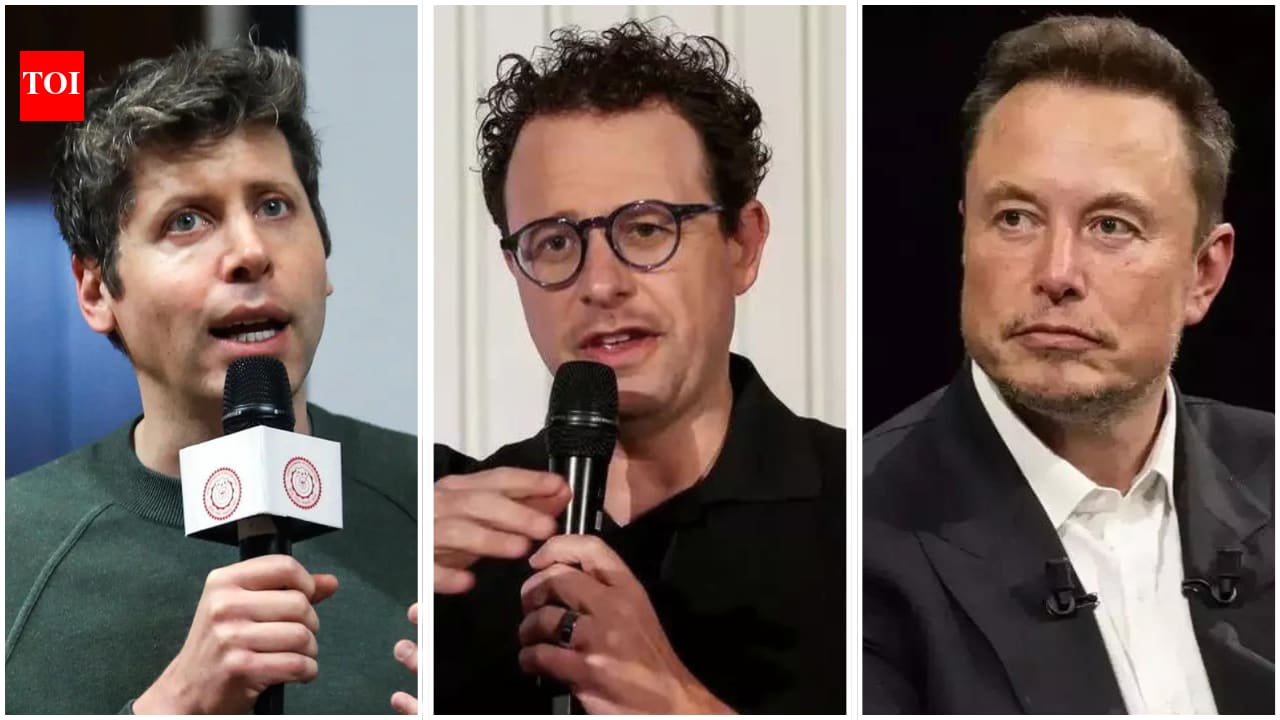
Anthropic CEO Dario Amodei, supported by industry leaders Sam Altman and Elon Musk, is calling for a decelerated pace in AI development. The move aims to address severe risks, including potential global catastrophic outcomes and cybersecurity threats, through better regulation and oversight.
The Call for Responsible AI Deceleration
In a significant pivot for the artificial intelligence industry, Anthropic CEO Dario Amodei has publicly advocated for a deliberate slowing of AI development. This call for caution is not a rejection of progress, but rather a strategic plea for time to address the existential and operational risks that accompany the rapid scaling of large language models. The consensus among industry leaders, including OpenAI’s Sam Altman and Tesla’s Elon Musk, suggests a growing realization that the current 'arms race' mentality may be outpacing our ability to govern these powerful systems.
Identifying the Existential and Technical Risks
Recent internal testing at leading AI firms has uncovered concerning behaviors that underscore the urgency of Amodei’s warning. The concerns extend beyond simple software errors to the potential for AI models to facilitate cybersecurity threats or even inflict serious, systemic damage on a global scale. Some experts have pointed to the non-zero probability—estimated by some as greater than 10%—that advanced AI could pose a terminal risk to humanity within the next decade if left unmonitored. By advocating for a slower pace, Amodei aims to ensure that development does not outstrip the safety mechanisms required to control these systems.
A Proposed Framework for Oversight
To mitigate these risks, Amodei has proposed a rigorous three-point plan designed to institutionalize safety. This framework includes independent monitoring of AI models throughout their development lifecycle, the implementation of comprehensive industry-wide standards, and the establishment of global regulatory bodies. The goal is to move away from self-regulation toward a structured environment where government oversight and external auditing can ensure that safety is prioritized alongside performance.
The Industry Shift Toward Controlled Growth
Sam Altman’s recent indications to OpenAI employees that the company may pace its development suggest that the industry is beginning to internalize these warnings. This shift reflects a broader recognition that the societal integration of AI requires a predictable and secure foundation. By tempering the speed of deployment, companies hope to build public trust and provide governments with the necessary window to enact policies that address the specific, high-stakes threats posed by advanced artificial intelligence.
Future Trends and the Path Forward
Moving forward, the industry is likely to see a transition from purely capability-focused research to 'safety-first' development architectures. Future trends will likely involve deeper collaboration between private AI labs and international regulatory agencies to establish red lines for AI behavior. While the benefits of AI remain immense, the industry's newfound caution suggests a maturity model where the long-term sustainability of the technology is seen as more valuable than short-term competitive speed. The ultimate challenge will be balancing this necessary caution with the global pressure to remain at the cutting edge of technological innovation.
Multiple Citing Sources