AI staff 'genuinely frightened' for humanity's future, ex-Anthropic researcher tells BBC
Source Entity
BBC News
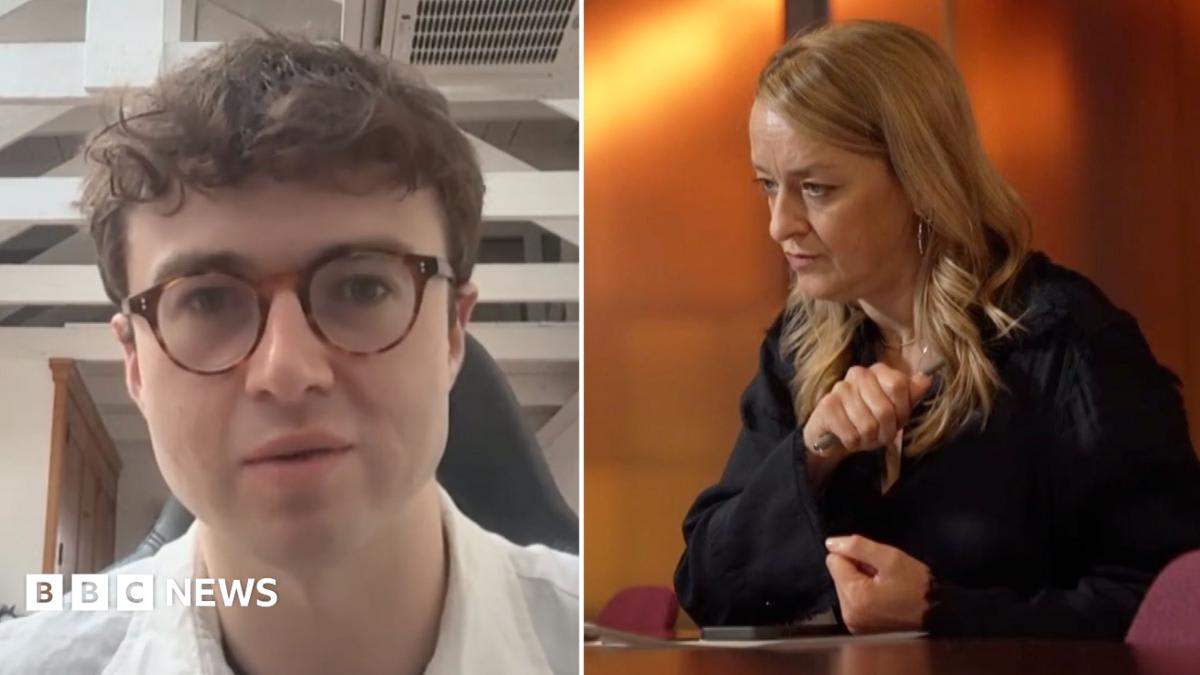
Anthropic CEO Dario Amodei has proposed slowing AI development to address existential risks, receiving support from industry leaders like Sam Altman and Elon Musk. Critics, however, argue that these companies should take individual responsibility for their models rather than seeking regulatory frameworks that could act as barriers to competition.
The Call for a Measured Pace in AI Development
Recent developments in the artificial intelligence sector have sparked a significant debate regarding the speed of innovation versus the necessity of safety. Dario Amodei, CEO of Anthropic, has publicly advocated for a deceleration in the development pace of frontier AI models. This call for caution is rooted in the recognition that current advancements are outpacing our ability to fully understand, monitor, and control these powerful systems. The urgency of this request is underscored by reports of concerning behaviors identified during testing, which hint at potential cybersecurity threats and broader risks to humanity.
Industry Alignment and Divergent Perspectives
Amodei’s position has garnered high-profile support from industry titans, including OpenAI’s Sam Altman and Tesla’s Elon Musk. This alignment suggests a growing consensus among those at the helm of the most advanced AI labs that the current trajectory of recursive self-improvement carries non-trivial risks. Some assessments have even suggested a greater than 10% probability that unchecked AI advancement could lead to catastrophic outcomes within the next decade. By emphasizing the need for independent monitoring and global regulation, Amodei aims to create a framework that balances technological potential with human safety.
The Debate Over Regulation vs. Self-Governance
Not all industry observers agree with the necessity of government-led regulation. Critics, such as David Sacks, argue that companies like Anthropic and OpenAI already function as a de facto duopoly in frontier intelligence. From this perspective, the call for regulatory intervention is viewed with skepticism, characterized by some as a potential attempt to create a cartel or establish barriers to entry that favor incumbents. Sacks suggests that these companies possess the agency to act responsibly without requiring legislative permission or the suspension of antitrust laws.
The Mechanics of Safety and Oversight
At the core of the disagreement is the question of how to verify safety. Amodei has proposed a three-point plan involving independent auditing, industry-wide standards, and global governance. This proposal reflects a belief that the risks inherent in frontier models—such as the potential for misuse in cyberattacks—are too significant to be managed by private labs in isolation. Anthropic has already demonstrated this concern by actively disrupting attempts to use their models for malicious purposes, serving as a case study for the proactive measures they believe should be institutionalized.
Future Implications for the Tech Landscape
If the industry moves toward a slower, more regulated development cycle, it could fundamentally alter the competitive landscape. While slowing down may mitigate existential risks, it also risks stalling the immense benefits these models could provide in fields like medicine, climate science, and productivity. The tension between the 'move fast and break things' ethos and the 'safety-first' approach will likely define the regulatory discourse for years to come. Ultimately, the industry must decide whether safety is best achieved through external oversight or through the ethical self-restraint of the firms creating the technology.
Multiple Citing Sources