Oil touches $107 per barrel as Hormuz remains choked for over six months
Source Entity
SHIVANGHI PAYAL
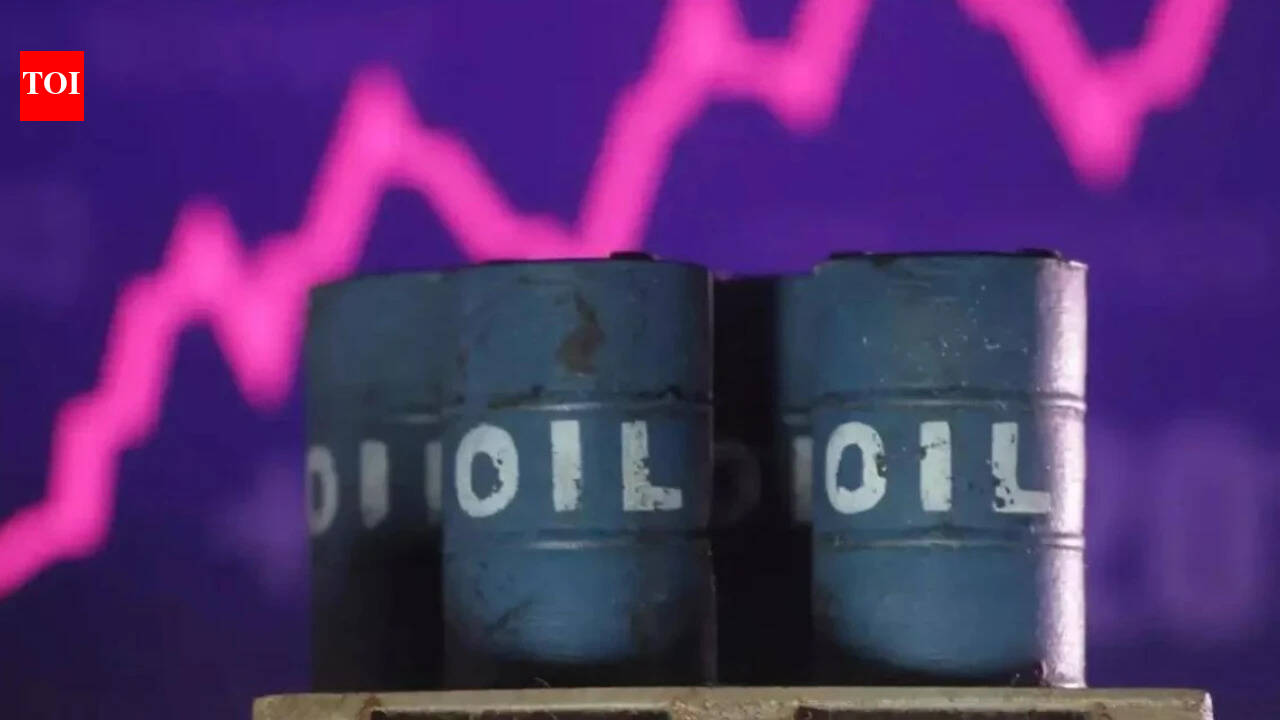
Oil prices have surpassed $100 per barrel due to persistent shipping disruptions in the Middle East. With OPEC and the IEA revising demand forecasts downward, global markets are bracing for prolonged energy supply volatility.
The Resurgence of Triple-Digit Oil Prices
Global energy markets have hit a critical inflection point as crude oil prices surged past the $100 per barrel threshold. Driven by sustained attacks on critical shipping routes in the Middle East, this rally reflects deep-seated anxieties regarding the stability of global supply chains. With Brent crude reaching $107.70 and WTI hovering near $102.50, the market is experiencing its most significant weekly gain since mid-July, signaling a shift in sentiment toward long-term scarcity.
The Geopolitical Bottleneck: The Strait of Hormuz and Beyond
The root cause of this volatility lies in the persistent choking of major maritime arteries. The Strait of Hormuz, a vital chokepoint for global oil transit, remains severely restricted as conflict in the region intensifies. These disruptions, which have now spanned over six months, have compounded risks across both the Red Sea and the Gulf, forcing energy analysts to reconsider the timeline for a return to normal flow. The inability to secure these corridors has effectively placed a premium on every barrel of oil currently in transit.
Refining Margins and Consumer Impact
The impact of these supply constraints is not limited to crude benchmarks; it is acutely felt at the pump. Gasoline and diesel prices have risen at a rate that outpaces the cost of raw feedstock, pushing refinery margins in the Atlantic Basin to record levels. This widening spread creates a secondary inflationary pressure, as the cost of transporting goods and fueling industrial operations continues to climb, threatening to dampen economic output across Western nations.
The Pivot Point: China’s Import Strategy
Moving forward, China's role as the world's largest oil importer will be the decisive factor in determining the upper limit of this price surge. As the global economy reacts to these price shocks, China's decisions regarding inventory acquisition and consumption will dictate the trajectory of the market. Should China increase its import volume to buffer against further volatility, it could exacerbate the current supply strain; conversely, a reduction in demand could provide a necessary cooling effect on the rally.
Structural Shifts in Global Demand Forecasts
The International Energy Agency (IEA) and OPEC have responded to this uncertainty by significantly revising their global demand outlooks. The IEA now anticipates that global oil consumption will fall by 2.5 million barrels per day in 2026, reaching 102.4 million barrels. This downward revision—nearly a million barrels steeper than previous estimates—reflects the reality that higher fuel prices and the loss of petrochemical feedstocks are forcing a structural adjustment in energy consumption patterns.
Conclusion: A New Era of Energy Uncertainty
The confluence of restricted shipping routes and dampened demand forecasts suggests that the energy sector is entering a period of prolonged instability. As the recovery of Middle East oil flows is now expected to extend well into next year, markets must prepare for a "new normal" characterized by high volatility. Stakeholders must monitor the interplay between geopolitical de-escalation and the evolving energy policies of major economies to gauge when, or if, prices will return to pre-crisis levels.