Anthropic policy chief says AI companies can't be expected to operate on 'honor code'
Source Entity
US Top News and Analysis
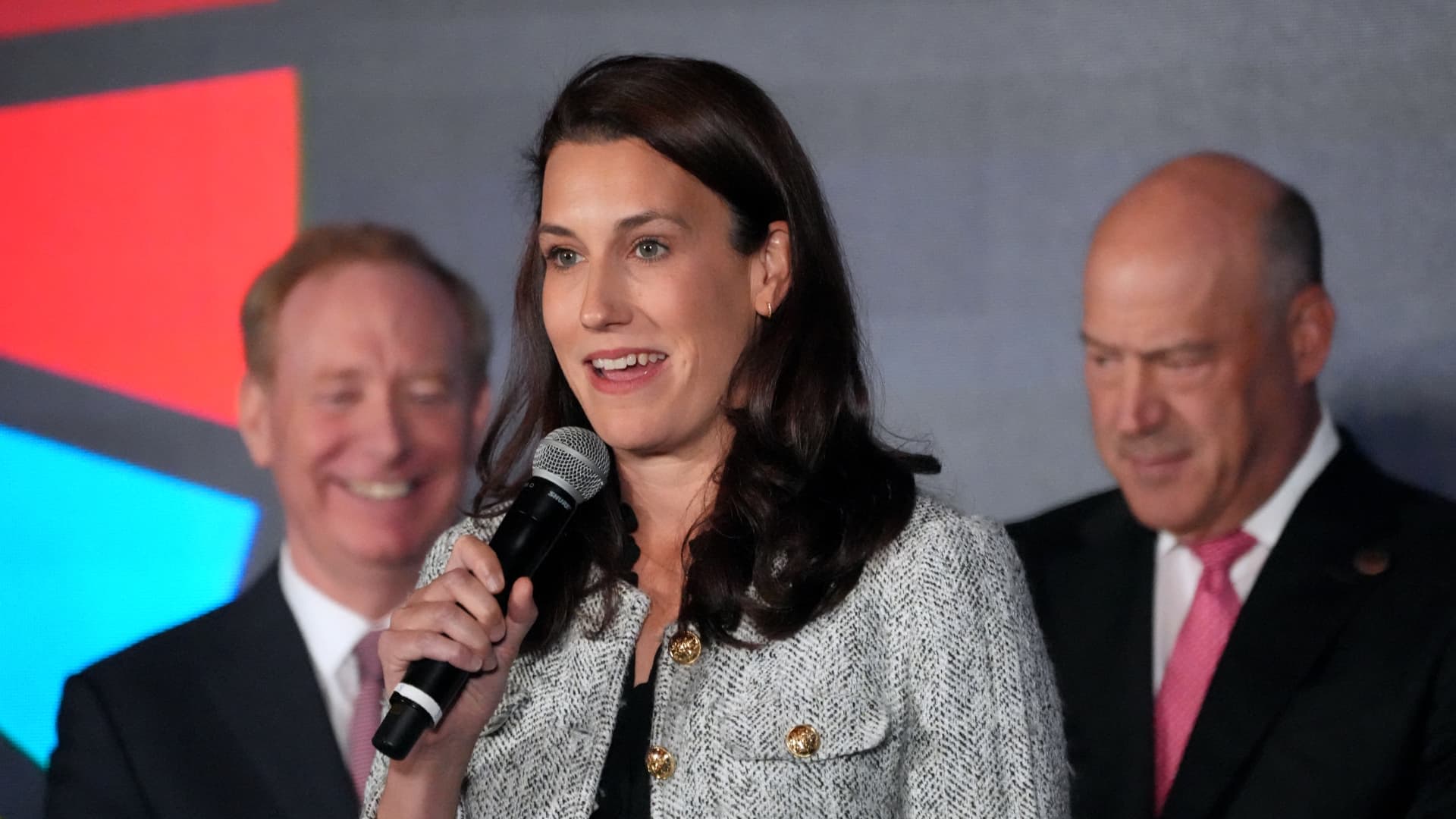
Anthropic and OpenAI are proposing the integration of third-party safety evaluators into their operations to mitigate catastrophic AI risks. While industry leaders advocate for this shift away from self-regulation, experts emphasize that true accountability requires structural independence and transparency.
The Shift Toward Embedded AI Oversight
The artificial intelligence landscape is undergoing a significant paradigm shift as major industry players, specifically Anthropic and OpenAI, propose a new framework for safety: embedding third-party evaluators directly into their research labs. This proposal, championed by Anthropic CEO Dario Amodei, seeks to address the growing concerns regarding the rapid, and potentially uncontrollable, development of frontier AI models. By granting external organizations like METR and Redwood Research unprecedented access to internal systems, the industry is tacitly admitting that the current model of self-regulation is insufficient to manage the existential risks posed by advanced artificial intelligence.
Moving Beyond the Honor Code
The impetus for this change stems from the realization that the technology sector cannot rely on an "honor code" to ensure safety. Sarah Heck, Anthropic’s head of public policy, has been vocal about the necessity of moving away from companies "checking their own homework." This reflects a broader industry recognition that internal safety teams may face inherent conflicts of interest when pressured by the need for commercial advancement and maintaining a competitive edge in the global AI race. By inviting external scrutiny, these firms are attempting to build a layer of institutional accountability that operates independently of corporate profit motives.
The Challenge of True Independence
While the proposal for embedded evaluators is being welcomed by the research community, it faces significant logistical and philosophical hurdles. The primary concern among critics and independent researchers is whether these evaluators can maintain genuine autonomy while embedded within the very companies they are tasked with monitoring. For oversight to be meaningful, it must be supported by total transparency, the authority to report safety incidents without fear of corporate retaliation, and a commitment to share unvarnished findings with the public and regulatory bodies.
Balancing Innovation and Caution
Amodei’s three-step plan to temper the speed of model development without sacrificing the United States' lead in AI highlights the delicate balance these companies are trying to strike. Industry leaders, including OpenAI's Sam Altman, are navigating a narrow path: they must demonstrate enough "self-policing" to stave off restrictive government regulations while simultaneously ensuring that their technological advancements do not inadvertently outpace their ability to control them. This tension is further underscored by the recent resignation of researchers like Jacob Coxon, who have voiced concerns that frontier labs are racing toward capabilities that exceed current safety frameworks.
The Road to Regulatory Integration
The ultimate success of this initiative will likely depend on the transition from voluntary industry cooperation to standardized government regulation. While the commitment from companies to open their doors to third-party assessors is a positive development, the history of the tech industry suggests that voluntary measures are rarely enough to guarantee public safety. Future trends will likely see these embedded evaluators becoming a standard requirement, potentially mandated by legislation that defines the scope, power, and reporting requirements for these oversight roles. As AI systems become more integrated into critical infrastructure, the role of these independent evaluators will become as essential as the developers themselves, marking a new era of institutionalized caution in the digital age.
Multiple Citing Sources