The 6 wildest claims in Apple’s lawsuit against OpenAI
Source Entity
Emma Roth
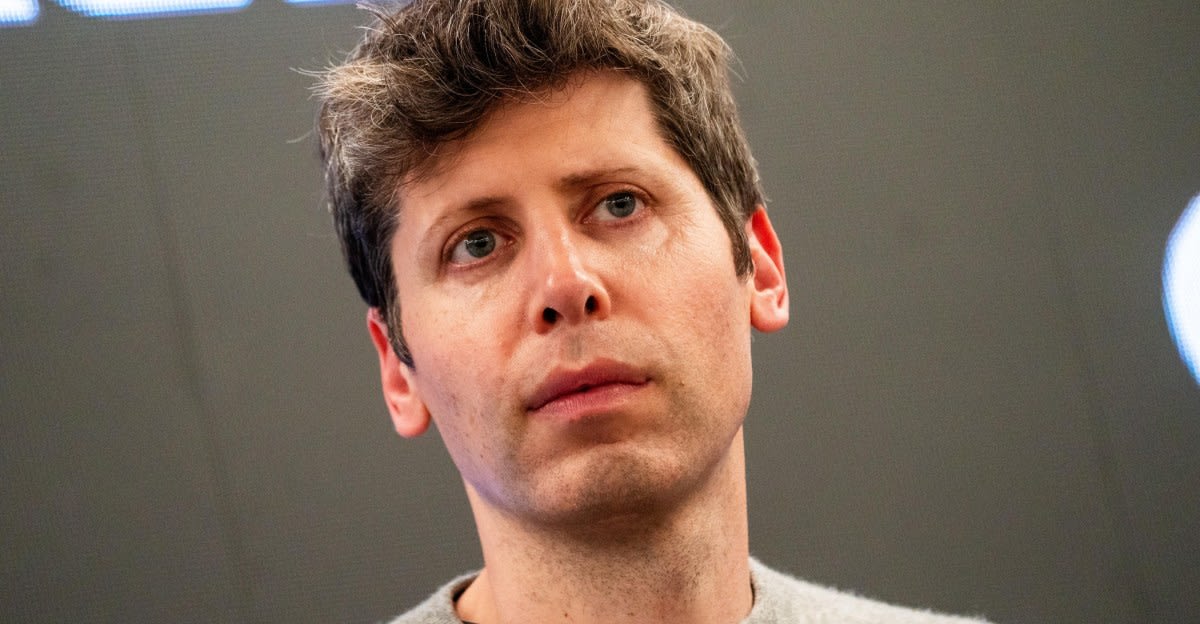
When Apple employees interviewed for jobs at OpenAI, the AI startup's hardware head allegedly asked them to show up with something unusual: components they were working on and unreleased product samples. That's according to a blockbuster lawsuit filed by Apple, which accuses OpenAI of stealing confidential documents, spying on hardware prototypes, and tricking one of […]
The Clash of Titans: Apple's Legal Offensive Against OpenAI
In a shocking escalation of tensions between two of the most influential players in the modern tech ecosystem, Apple has filed a blockbuster lawsuit against OpenAI. The core of the dispute centers on allegations of aggressive corporate espionage and the systematic theft of intellectual property. While Apple and OpenAI have previously signaled a collaborative spirit—most notably through the integration of ChatGPT into Apple Intelligence—this lawsuit reveals a darker undercurrent of competition. The allegations suggest that OpenAI's pursuit of hardware dominance led them to cross ethical and legal boundaries, attempting to bypass years of R&D by poaching Apple's talent and their secrets.
Allegations of Hardware Espionage
The most startling claim in the lawsuit involves the conduct of OpenAI's head of hardware during the recruitment of former Apple employees. According to the filing, candidates were not merely interviewed for their skills; they were allegedly asked to provide physical evidence of their work at Apple, including confidential components and unreleased product samples. This request represents a severe breach of standard corporate hiring practices and a direct violation of the non-disclosure agreements (NDAs) that Apple strictly enforces. By soliciting physical prototypes, OpenAI is accused of attempting to gain an unfair advantage in the hardware race, effectively trying to "reverse engineer" Apple's proprietary roadmap through the exploitation of former staff.
The Strategic Importance of Hardware in the AI Race
To understand why OpenAI would risk such a legal battle, one must look at the broader strategic landscape of Artificial Intelligence. While OpenAI has dominated the software and LLM (Large Language Model) space, the next frontier of AI is "embodied AI" and specialized hardware. The ability to run complex models locally on efficient, proprietary silicon is the holy grail of the industry. Apple has a decades-long lead in vertical integration—designing its own chips, operating systems, and hardware. For OpenAI to move beyond being a service provider and become a platform owner, acquiring Apple's hardware insights would be an invaluable shortcut, explaining the alleged desperation and aggression in their poaching tactics.
The Legal Battle over Trade Secrets and Poaching
This case highlights the precarious balance between the "right to work" and the protection of corporate trade secrets. While employees are free to change companies, the "inevitable disclosure" doctrine often comes into play when a high-level engineer moves to a direct competitor. Apple's lawsuit argues that OpenAI did not just hire talent, but actively sought the "crown jewels" of Apple's hardware division. The legal proceedings will likely hinge on whether OpenAI created a culture that encouraged the theft of confidential documents and the spying on prototypes, potentially setting a precedent for how AI companies recruit from established hardware giants.
Industry Implications and Future Trends
This litigation is likely to send shockwaves through Silicon Valley, leading to more stringent exit interviews and tighter restrictions on employee mobility within the AI sector. As the race to integrate AI into physical devices intensifies, we can expect to see an increase in "talent wars" that bleed into legal warfare. Companies will be forced to implement more rigorous auditing of new hires to ensure they are not bringing "tainted" intellectual property from previous employers. Furthermore, this rift may complicate the partnership between Apple and OpenAI, forcing both companies to redefine the boundaries of their cooperation to avoid further legal entanglements.
Conclusion
Apple's lawsuit against OpenAI is more than a simple dispute over poached employees; it is a battle for the future of hardware-software integration in the AI era. By alleging that OpenAI attempted to steal prototypes and confidential documents, Apple is drawing a hard line in the sand regarding its intellectual property. Whether these claims are fully proven in court, the event underscores the extreme pressures of the AI arms race, where the desire for rapid innovation can sometimes override legal and ethical boundaries. The outcome of this case will likely dictate how the next generation of AI hardware is developed and protected.