Apple and Samsung benefit as memory shortage pushes smartphone shipments to historic lows
Source Entity
Ryan Whitwam
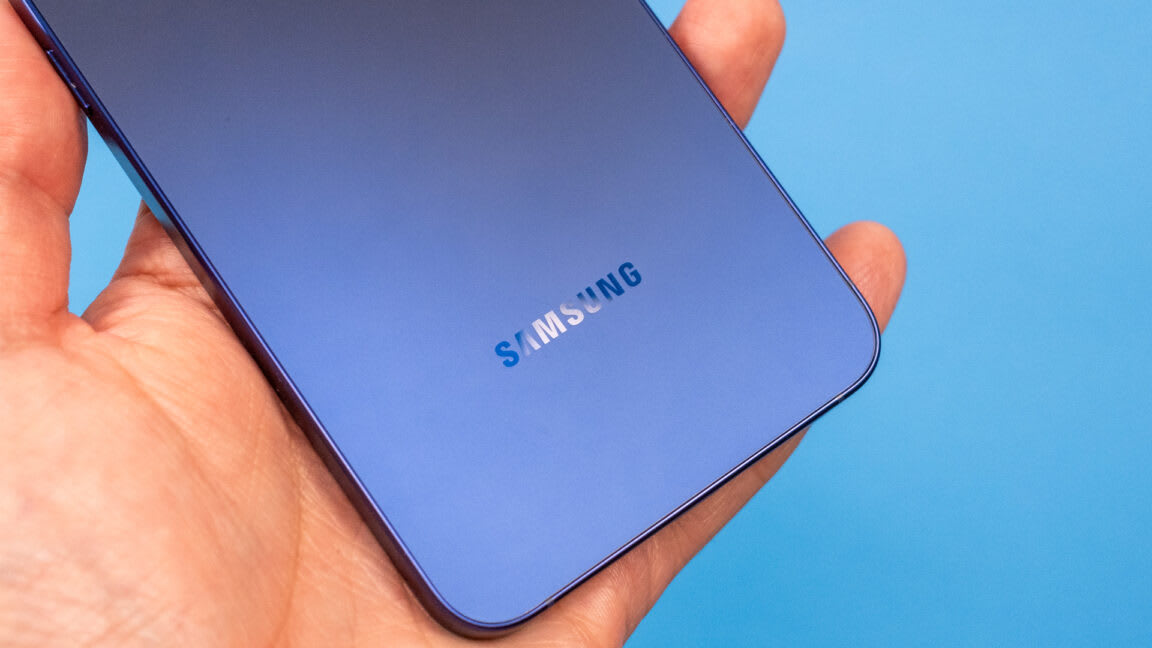
The biggest smartphone makers keep on trucking in the face of component shortages and economic uncertainty.
The Paradox of Scarcity: How Tech Giants Thrive in a Shrinking Market
In a surprising turn of market dynamics, the global smartphone industry is currently experiencing a period of historic lows in overall shipments. This downturn is primarily driven by a systemic shortage of critical memory components—specifically NAND flash and DRAM—coupled with broader economic uncertainty. While these headwinds have crippled smaller manufacturers and mid-tier brands, the industry's two titans, Apple and Samsung, have not only weathered the storm but have emerged as the primary beneficiaries of this volatility.
The Mechanics of the Memory Shortage
To understand why shipments have hit historic lows, one must look at the semiconductor supply chain. Memory chips are the foundational building blocks of every modern smartphone, enabling everything from app multitasking to high-resolution photo storage. When supply chains are disrupted—whether by geopolitical tensions, factory shutdowns, or sudden spikes in demand for other electronics—the cost of these components skyrockets. For smaller Original Equipment Manufacturers (OEMs), the inability to secure a steady supply of memory at a sustainable price point makes it impossible to maintain production volumes, leading to a sharp decline in the total number of devices entering the market.
Vertical Integration and Purchasing Power
Apple and Samsung possess a structural advantage that shields them from these shocks. Samsung, in particular, operates as a vertically integrated behemoth; they are not just a smartphone manufacturer but one of the world's largest producers of the very memory chips that are in short supply. This allows Samsung to prioritize its own device production over external clients. Apple, while not manufacturing its own chips, utilizes its massive cash reserves and unparalleled purchasing power to secure long-term contracts and priority allocation from suppliers. While a smaller brand might be priced out of the market, Apple can lock in supply years in advance, ensuring their production lines never stop.
Market Consolidation and the Flight to Quality
This crisis is accelerating a trend of market consolidation. As mid-range and budget smartphones disappear from shelves due to component shortages, consumers are forced to make a choice: wait for a device or upgrade to a premium model. This 'flight to quality' benefits the high-end segment where Apple and Samsung dominate. Because these companies focus on higher-margin flagship devices, they can absorb the increased cost of components more easily than a budget brand that relies on razor-thin margins. Consequently, while the total number of phones sold globally is dropping, the market share of the top two players is expanding.
Navigating Economic Uncertainty
Beyond hardware, the 'economic uncertainty' mentioned in recent reports plays a critical role. Inflation and fluctuating consumer confidence typically hit the budget-conscious demographic hardest. However, the core customer bases for the iPhone and the Galaxy S-series are generally more affluent and less sensitive to short-term economic dips. By focusing on the premium tier, Apple and Samsung have effectively insulated themselves from the volatility that is currently devastating the entry-level smartphone market, turning a global supply crisis into a competitive advantage.
Future Trends: The New Supply Chain Reality
Looking ahead, this event signals a permanent shift in how smartphone companies will approach supply chain management. We can expect to see a move away from 'just-in-time' manufacturing toward 'just-in-case' stockpiling of critical components. Furthermore, the success of vertically integrated models will likely push other players to seek deeper partnerships or acquisitions of semiconductor firms to avoid future vulnerabilities. The current shipment lows are likely a temporary dip, but the resulting shift in market power toward the top two players may be permanent.
Summary
The current smartphone landscape is a stark example of how systemic crises can reinforce the dominance of industry leaders. By leveraging vertical integration, massive capital, and a focus on the premium market, Apple and Samsung have turned a global memory shortage and economic instability into an opportunity to capture a larger slice of a shrinking pie.