Apple TV is raising its subscription prices again
Source Entity
Amanda Silberling
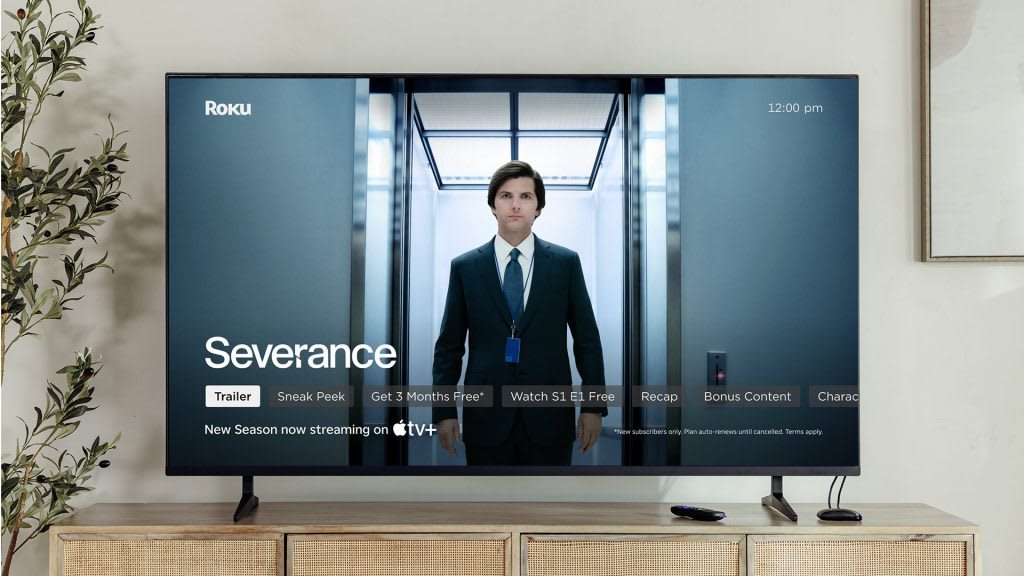
Apple has increased the monthly cost of Apple TV+ to $14.99 and raised the price of its Apple One bundle to $21.95. This marks the fourth price hike in four years for the streaming service as part of a broader industry trend toward higher subscription costs.
The Evolving Economics of Apple’s Streaming Strategy
Apple has officially increased the monthly cost of its flagship streaming service, Apple TV+, from $12.99 to $14.99, marking the fourth time the company has raised prices in just four years. This adjustment also extends to the annual subscription, which has risen from $99 to $119, and the Apple One bundle, which now costs $21.95 per month, up from $19.95. These changes, effective immediately for both new and existing subscribers, signal a definitive shift in Apple's long-term monetization strategy for its digital content ecosystem.
Historical Context: From Disruptor to Premium Player
When Apple TV+ originally launched in 2019, it served as a market disruptor with a competitive price point of just $4.99 per month. This aggressive entry strategy was designed to rapidly capture market share in an already crowded streaming landscape. However, the service has since evolved significantly, expanding its library with high-profile content such as the hit comedy series "Ted Lasso" and major cinematic releases like "F1." The current price of $14.99 reflects the service’s maturation from a low-cost experiment to a premium platform that now competes directly with industry giants on content volume and production value.
The Broader Streaming Industry Landscape
Apple's decision to hike prices does not occur in a vacuum; it is part of a systemic trend across the media and technology sectors. Rivals such as Netflix and Peacock have also implemented recent price increases to combat rising production costs and shifting market dynamics. This industry-wide "subscription fatigue" is being driven by the need for streaming platforms to reach profitability after years of heavy investment in original programming and subscriber acquisition.
The Role of Hardware and Macroeconomic Pressures
Beyond content licensing and production, the tech sector is currently grappling with broader macroeconomic challenges. Tech companies are reporting increased costs for hardware, partly driven by supply chain constraints and the massive demand for components required to build AI-focused data centers. These rising operational costs, coupled with the need to maintain profitability in a high-interest-rate environment, have forced companies to re-evaluate their service pricing models across the board.
Future Trends and Consumer Impact
As the streaming market stabilizes, consumers are likely to see a continued shift toward bundled services. By increasing the price of the Apple One bundle alongside standalone services, Apple is incentivizing users to remain within its "walled garden" of iCloud+, Music, Arcade, and TV. This strategy aims to increase customer retention even as individual service prices climb. While consumers may express dismay at these frequent hikes, history suggests that demand for high-quality, exclusive content remains inelastic, allowing tech giants to continue pushing price ceilings as they pivot toward long-term fiscal sustainability.