Your ‘health age’ is fake
Source Entity
Victoria Song
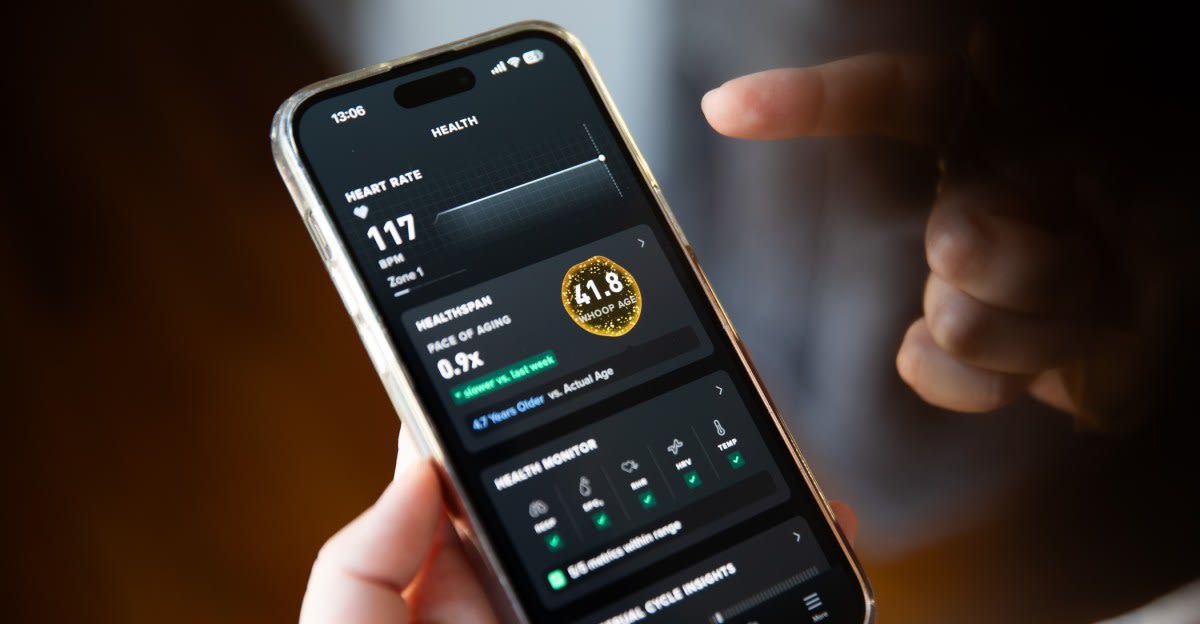
Apple's upcoming 'Health Age' feature for the Apple Watch aims to estimate physiological age based on fitness metrics. Experts warn that these proprietary calculations lack standardized clinical validation and may function more as marketing tools than medical advice.
The Illusion of Biological Aging in Wearables
During a recent Apple Watch announcement, the tech giant unveiled a new feature slated for release later this year: 'Health Age.' This metric, designed to estimate a user's physiological age compared to their chronological age, follows a growing trend among wearable manufacturers to provide users with a singular, intuitive number that quantifies their overall wellness. However, as noted in recent critiques, this concept is far from a clinical standard and represents a growing trend in the quantified-self movement.
The Proliferation of Proprietary Metrics
Apple is not the first company to enter this space. Competitors like Whoop, with its 'Whoop age,' and Oura, with its 'cardiovascular age,' have already normalized the practice of assigning a numerical age to a user's health profile. These metrics rely on complex, proprietary algorithms that weigh various biometric data—such as heart rate variability, sleep quality, and activity levels—to determine a user's biological standing. The issue arises when these metrics are presented as scientific fact rather than estimated approximations based on internal company models.
Scientific Validity vs. Marketing Appeal
While these features are designed to motivate users to adopt healthier habits, they raise significant questions regarding accuracy and standardization. Because each manufacturer uses a different methodology to calculate 'Health Age,' a user might receive vastly different results depending on the device they wear. This lack of cross-platform consistency suggests that these metrics are primarily engagement tools aimed at gamifying fitness rather than providing clinically diagnostic information that a doctor would use to treat a patient.
The Risks of Algorithmic Health
There is a potential psychological impact when users are confronted with a 'Health Age' that is higher than their actual age. If a device indicates that a user is physiologically 'older' than their chronological age, it could lead to unnecessary anxiety or, conversely, a false sense of security if the metric suggests they are 'younger.' Because these algorithms are often opaque, users have little insight into how these scores are calculated or what specific lifestyle adjustments would most effectively 'reverse' their biological age.
Future Trends in Wearable Health
As the wearable market matures, we are likely to see an increase in these types of summary statistics. Manufacturers are shifting from simply displaying raw data, like step counts or heart rate, to synthesizing that data into actionable, easy-to-understand insights. While this makes technology more accessible, it also places the burden of interpretation on the consumer. The future of health tech will likely involve a tension between user-friendly summaries and the need for medical-grade transparency.
Conclusion: A Tool, Not a Diagnostic
Ultimately, 'Health Age' should be viewed as a supplementary metric rather than a definitive health assessment. While features like those announced by Apple can serve as excellent reminders to maintain physical activity and sleep hygiene, they remain subjective calculations. Consumers should treat these numbers with a healthy dose of skepticism, ensuring they do not prioritize algorithmic feedback over professional medical advice or standardized clinical testing.