Protests Turn Violent In Arunachal Pradesh As Villagers Oppose Mega Dam Power Project
Source Entity
NDTV News Search Records Found 1000
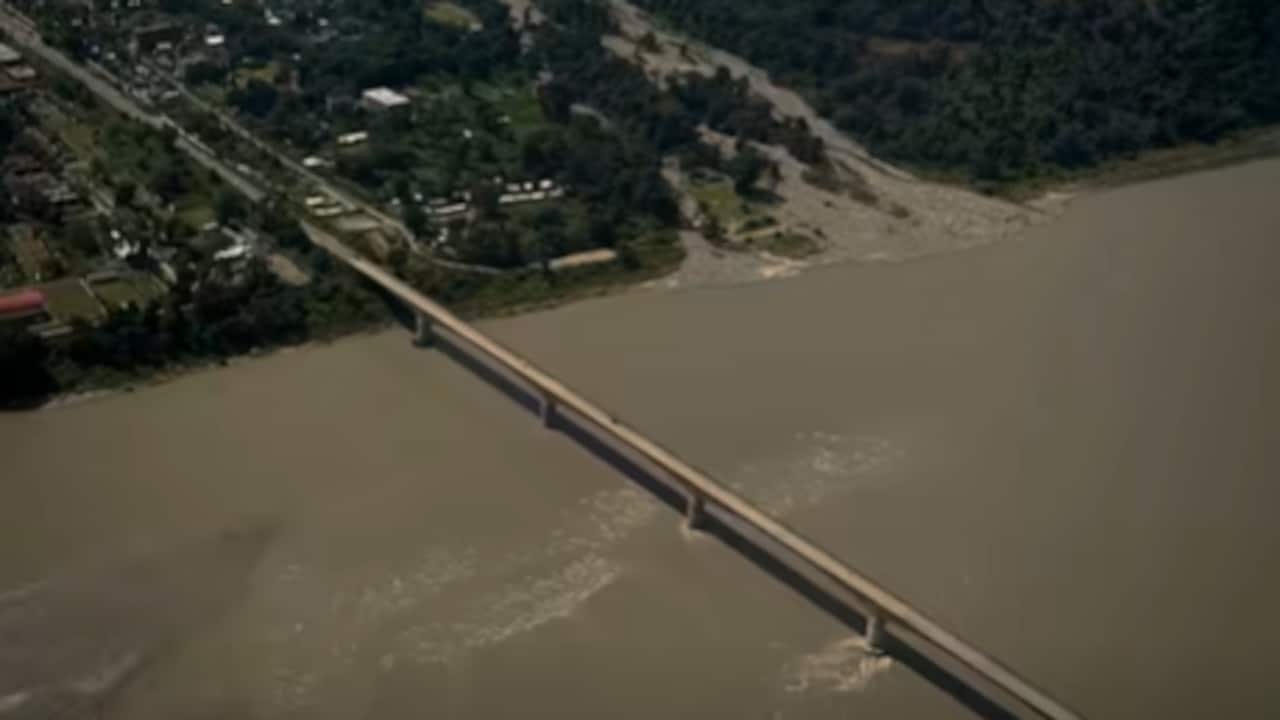
Violent protests have erupted in Arunachal Pradesh's East Siang district over the proposed 10,000-MW Siang Upper Multipurpose Project. Demonstrators clashed with security forces and vandalized property, demanding an immediate halt to survey activities.
Escalating Tensions: The Siang Dam Controversy
The recent surge of unrest in Arunachal Pradesh marks a critical escalation in the ongoing dispute surrounding the proposed 10,000-MW Siang Upper Multipurpose Project (SUMP). Demonstrations in the East Siang district have turned increasingly volatile, characterized by the destruction of vehicles and the alleged vandalism of a local MLA’s residence. This intensity highlights the deep-seated anxieties of the local population regarding the large-scale industrialization of their ancestral lands.
The Catalyst: Surveying and Security Deployment
At the heart of the current agitation is the government’s initiative to conduct a Pre-Feasibility Report (PFR) survey for the dam project. The deployment of central paramilitary forces to secure these survey sites has been perceived by local villagers as an act of intimidation rather than standard administrative procedure. The clashes, which reportedly began at Geku and spread to Yingkiong during Chief Minister Pema Khandu’s visit, underscore a significant communication breakdown between the state administration and the project-affected communities.
Socio-Environmental Concerns
The opposition to the Siang dam is rooted in the magnitude of the project. A 10,000-MW capacity project represents a massive topographical and environmental intervention in a region known for its ecological sensitivity and seismic vulnerability. For the local inhabitants, the project threatens not only the displacement of communities but also the disruption of their traditional livelihoods and the alteration of the Siang River’s natural flow, which is central to their cultural identity.
Political Implications and Governance
The fact that these protests directly targeted the residence of a local legislator during the Chief Minister's visit signals a significant challenge to the state's political authority. It reflects a growing sentiment among the populace that their grievances are not being adequately addressed through formal channels. The state government now faces the complex task of balancing regional infrastructure development goals with the imperative of maintaining law and order while respecting the democratic right to dissent.
Future Trajectory of the Dispute
Looking ahead, the situation remains precarious. The protesters' demand for an immediate cessation of survey activities and the withdrawal of security forces creates a stalemate that will require delicate negotiation. If the government proceeds with the PFR survey without addressing the community's core concerns, the likelihood of further civil unrest remains high. The resolution of this conflict will likely set a precedent for how future mega-projects are managed in the sensitive border regions of Northeast India, emphasizing the need for transparent dialogue and community-led developmental models.
Verification Required?