Sardar Sarovar Narmada Dam In Gujarat Reaches Maximum Level of 138.68 Metres
Source Entity
NDTV News Search Records Found 1000
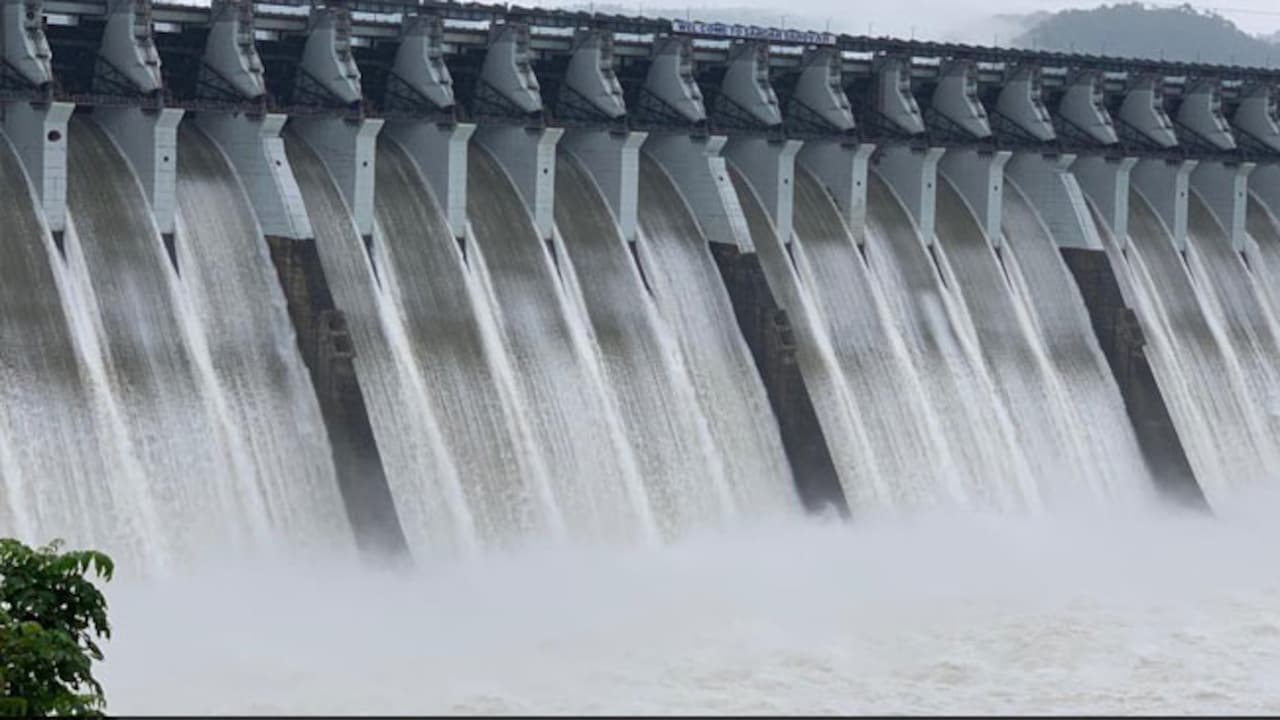
India is facing significant water stress as Chandigarh records its driest September in three years and Mumbai's reservoirs fail to reach full capacity. The influence of El Nino has prompted authorities to consider widespread water cuts and stricter resource management across Maharashtra.
The Growing Crisis: Assessing India's Rainfall Deficit and Water Security
Recent data from the India Meteorological Department (IMD) and municipal authorities has highlighted a concerning trend in regional water security. Chandigarh, typically accustomed to robust monsoon precipitation, recorded only 132.2 mm of rain this September. While this figure technically sits slightly above the monthly normal of 131.4 mm, it marks the lowest rainfall for the month since 2023. This statistical anomaly underscores a broader pattern of erratic weather, as the city has logged 710.8 mm of rain since June, leaving it 15.9% below the expected seasonal average.
The Role of El Nino in Climatic Volatility
Climate experts, including IMD Chandigarh director Surender Paul, have pointed to the active El Nino conditions as a primary driver for these subdued monsoon patterns. El Nino, characterized by the warming of ocean surface temperatures in the central and eastern Pacific, frequently disrupts traditional rainfall patterns in India, leading to periods of drought or unpredictable precipitation. In Chandigarh, this phenomenon was compounded by the early withdrawal of the monsoon, effectively shortening the window for essential groundwater recharge and reservoir replenishment.
Municipal Stress in Mumbai
The challenges are not confined to Northern India. In Mumbai, the Brihanmumbai Municipal Corporation (BMC) has sounded the alarm regarding the city's water infrastructure. Unlike previous years, where reservoirs consistently reached capacity, this year’s lake levels have failed to touch the 100% mark. Comparative data reveals a stark decline: water stocks reached 97.57% last year and 99.09% the year prior, whereas current levels are significantly lower, with officials warning that supplies may only last until May of the coming year.
Policy Responses and Economic Implications
In response to the escalating drought in Maharashtra, the state government has declared a crisis in 265 tehsils. The state Cabinet sub-committee on drought mitigation is actively deliberating a 10% cut in urban water supply and potential restrictions on construction activities in water-scarce zones. These measures, while necessary to extend existing reserves, reflect the dire reality of urban management under the threat of climate-induced water scarcity.
Economic Mitigation and Future Outlook
Beyond immediate rationing, the state is attempting to buffer the economic impact on the agrarian sector. The government has proposed an expenditure of Rs 6,728 crore under the employment guarantee scheme. This initiative aims to stimulate the rural economy, which is currently suffering from the dual pressures of agricultural distress and inadequate rainfall. As India faces these climate-driven hurdles, the intersection of urban water management and rural economic support remains the focal point of the state's survival strategy.
Conclusion
The current situation in Chandigarh and Maharashtra serves as a critical indicator of the challenges posed by shifting climate patterns. With El Nino continuing to influence meteorological outcomes, the dependency on traditional monsoon cycles is becoming increasingly precarious. Effective resource management, combined with robust economic support for affected regions, will be essential to navigating the months ahead until the next monsoon cycle provides relief.
Multiple Citing Sources
Verification Required?