China looming, Arunachal hydel project under fresh protest shadow
Source Entity
Jay Mazoomdaar
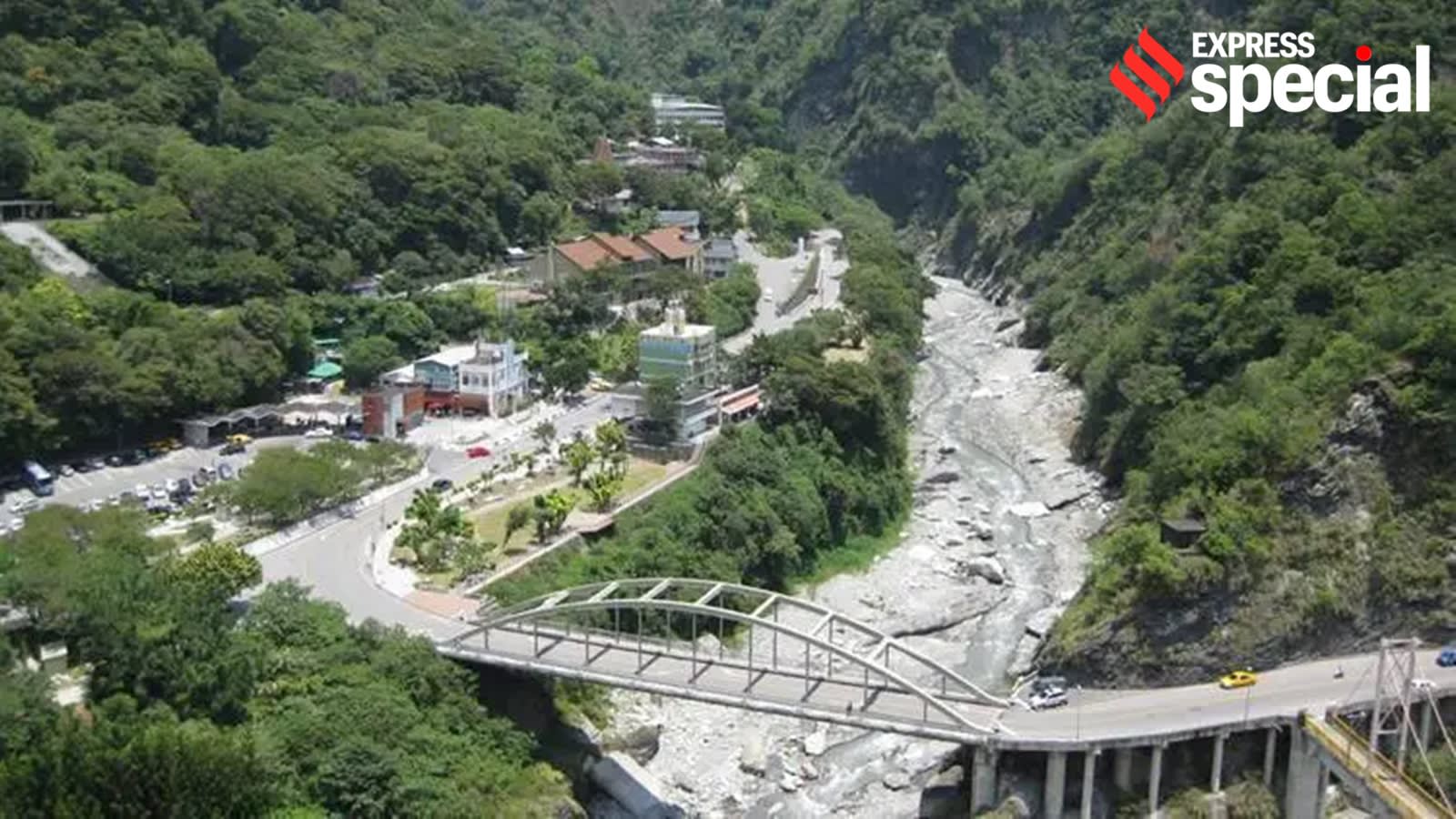
Protests in Arunachal Pradesh's Siang valley have intensified following the detention of four activists opposing the 11,200-MW Siang Upper Multipurpose Project. The local Adi community fears forced displacement and loss of traditional livelihoods due to the massive infrastructure initiative.
The Siang Valley Standoff: Infrastructure vs. Indigenous Rights
The proposed 11,200-MW Siang Upper Multipurpose Project in Arunachal Pradesh has become a flashpoint for regional unrest. Nearly a month after security personnel were deployed to the Ugeng-Komkar area to facilitate surveys and drilling, the project faces mounting resistance from local residents. The government’s push to advance the pre-feasibility report for this massive hydel project has collided head-on with the deeply ingrained concerns of the local populace, who view the initiative as a threat to their ancestral lands and traditional way of life.
Escalation and Civil Unrest
Tensions reached a critical juncture on October 14, when four protesters were detained under the Arunachal Pradesh Unlawful Activities (Prevention) Act, 2014. This move, intended to quell dissent, has instead catalyzed further demonstrations. In Geku, Upper Siang, citizens have taken to the streets to demand the immediate release of the detainees. The Youth Wing of the Siang Indigenous Farmers’ Forum (SIFF) has taken a hardline stance, calling for a total boycott of government consultations, signaling a breakdown in the dialogue between the state and the community.
The Adi Community’s Existential Concern
At the heart of the opposition is the Adi community, who inhabit the Siang valley and maintain a profound spiritual and economic connection to the land. The community is deeply anxious about the prospect of displacement, which is often an unavoidable byproduct of such large-scale hydroelectric endeavors. For the Adi people, their land is not merely a resource; it is the foundation of their livelihoods and cultural heritage. The threat of losing these territories to a multipurpose project has fostered a sense of urgency and desperation among the local youth and elders alike.
Strategic and Geopolitical Context
While the internal struggle focuses on displacement and land rights, the project also exists within a complex geopolitical framework. The deployment of security personnel to facilitate the project highlights the state's prioritization of infrastructure development in a border region where China’s influence is a constant strategic consideration. The government likely views the project as a critical component of national energy security and regional integration. However, by prioritizing security-led development, the state risks alienating the very population whose cooperation is essential for long-term regional stability.
Future Implications and Policy Outlook
Looking ahead, the conflict in the Siang valley underscores a recurring challenge in Indian development policy: balancing national infrastructure goals with the rights of indigenous populations. If the government continues to rely on punitive measures like the UAPA to silence opposition, it risks creating a long-term insurgency-like environment in a sensitive border zone. A more sustainable path forward would involve transparent, inclusive, and culturally sensitive consultations that address the specific grievances of the Adi community rather than viewing local resistance through a purely security-centric lens.