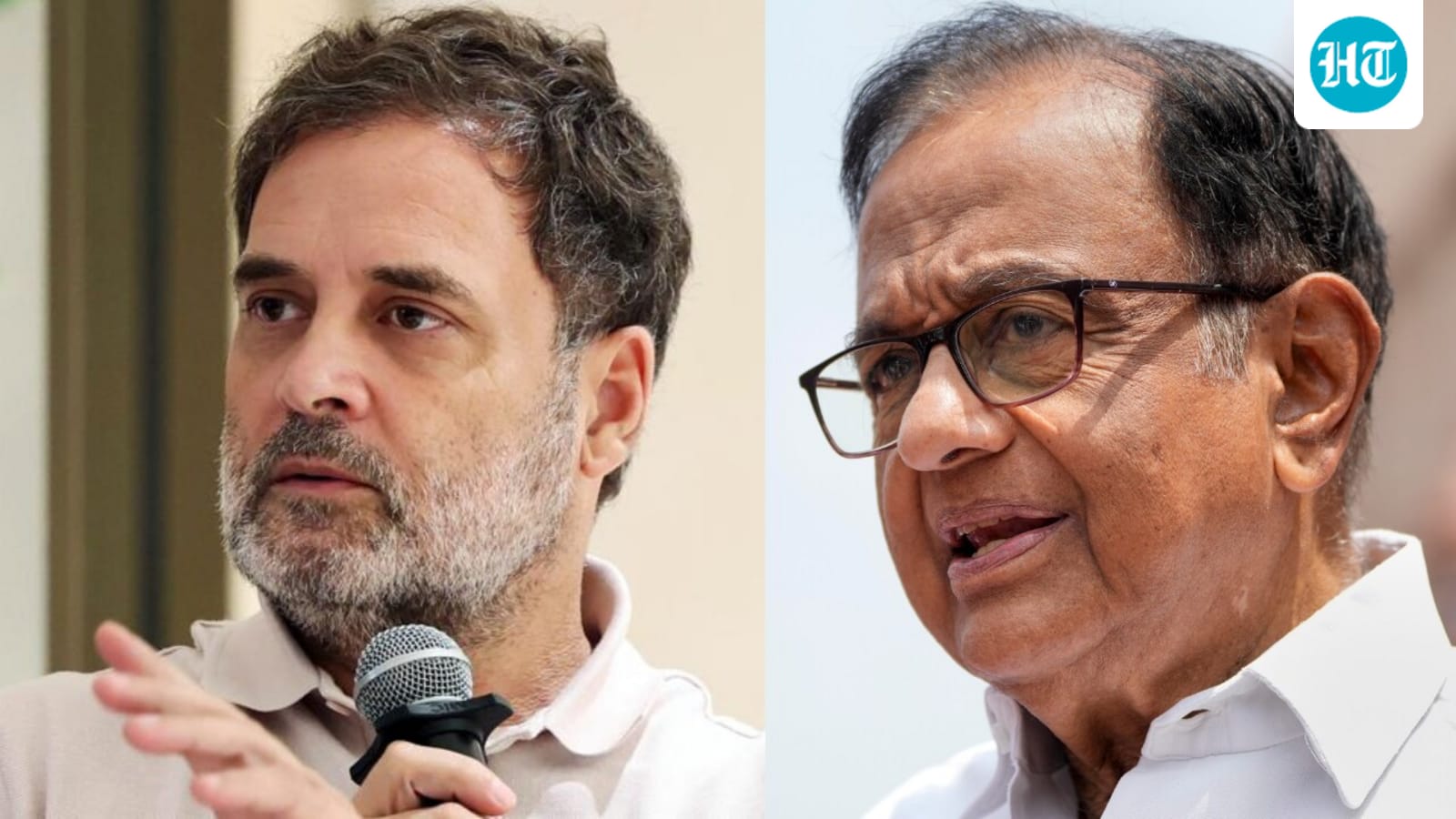
‘Why is Rahul opposing?’ Govt functionary says Chidambaram, 4 other Congress MPs backed UPI revenue framework
Source Entity
Latest News: Todays Latest News Headlines from India & World | Hindustan Times | Hindustan Times
The NPCI has introduced an MDR fee on specific UPI transactions above ₹2,000, effective October 15, 2026. While the government maintains this won't impact consumers, critics like Ashneer Grover argue the costs will inevitably be passed down to the end-user.
The Shift in UPI Economics: Understanding the New MDR Structure
The landscape of digital payments in India is undergoing a significant transition as the National Payments Corporation of India (NPCI) prepares to implement a Merchant Discount Rate (MDR) on specific Unified Payments Interface (UPI) transactions. Starting October 15, 2026, transactions exceeding ₹2,000 will be subject to a 0.4% MDR, capped at ₹300. Additionally, specific sectors such as utility bills, fuel, insurance, and education will face a flat fee of ₹5. This policy shift marks a departure from the long-standing model of zero-cost transactions that fueled the rapid adoption of UPI across the country.
The Perspective of Industry Stakeholders
Ashneer Grover, the former co-founder of BharatPe, has been a vocal critic of this development. In recent remarks, Grover challenged the official government stance that the fee is a merchant-only burden that will not affect the common consumer. By labeling the levy a "tax," Grover highlights a fundamental economic principle: costs imposed on intermediaries, such as merchants and retailers, are rarely absorbed entirely by the business. Instead, they are often integrated into the pricing structure of goods and services, ultimately landing on the shoulders of the consumer.
Distinguishing Between Fee Types and Exemptions
To navigate the confusion surrounding these changes, it is essential to distinguish between what remains free and what incurs a cost. The NPCI has clarified that peer-to-peer (P2P) transactions—transfers between individuals, such as sending money to friends or family—remain completely free, regardless of the amount. Furthermore, UPI mandates and auto-debit arrangements are excluded from these new charges, ensuring that recurring bill payments or subscription models are not disrupted by the new MDR framework.
The Government vs. Critic Debate
The central tension lies in the debate over the economic impact of these charges. The government maintains that the MDR is a fee paid by merchants to banks and payment processors to sustain the underlying infrastructure of digital payments. They argue that the impact on businesses will be minimal and will not necessitate price hikes. Conversely, critics and opposition figures argue that this move undermines the ethos of free digital payments, potentially leading to a subtle but widespread increase in the cost of living as businesses seek to maintain their profit margins.
Broader Implications for the Digital Economy
This policy change reflects the evolving maturity of India's fintech ecosystem. As the volume of UPI transactions continues to scale, the infrastructure costs associated with maintaining high-availability servers, security, and fraud prevention become increasingly significant. The introduction of MDR is intended to create a sustainable revenue stream for the banking and payments ecosystem, which has historically operated on wafer-thin margins or losses to drive mass adoption.
Future Trends and Concluding Summary
Looking ahead, the success of this policy will depend on how merchants choose to manage these costs. While larger retailers may absorb the 0.4% fee to remain competitive, smaller, local vendors operating on thinner margins may find it more difficult to do so. Whether this leads to a shift in consumer behavior—such as a preference for cash over digital payments for larger transactions—remains to be seen. Ultimately, the introduction of the MDR marks a critical juncture in India's digital transformation, shifting the focus from pure adoption to long-term financial sustainability.
Multiple Citing Sources
Verification Required?