'Get Harshit Rana and Rinku Singh': Ashwin names MI's ideal Hardik Pandya trade
Source Entity
TOI SPORTS DESK
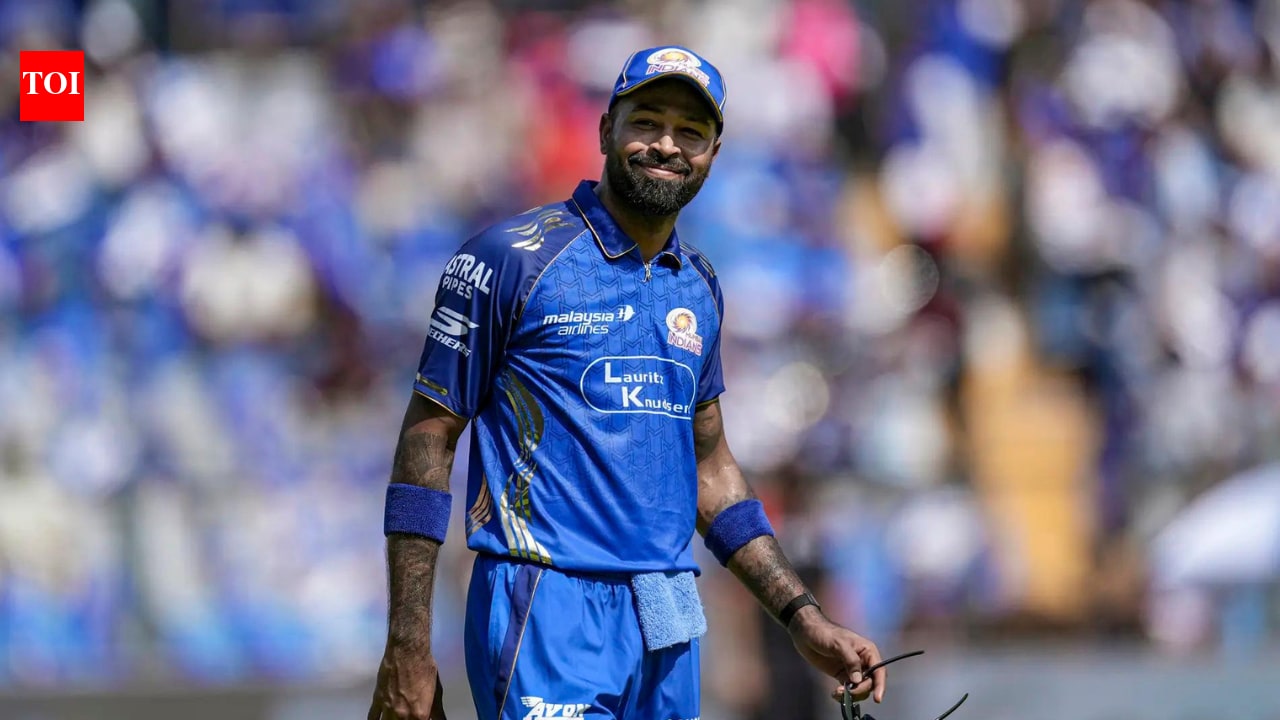
Ravichandran Ashwin has suggested that if the Mumbai Indians were to trade Hardik Pandya, they should seek high-value players like Harshit Rana and Rinku Singh in return. This speculation highlights the ongoing discourse regarding potential roster shifts and strategic trade valuations within the IPL ecosystem.
Strategic Trade Speculation: The Hardik Pandya Narrative
Recent discourse surrounding the Indian Premier League (IPL) has centered on the future of star all-rounder Hardik Pandya within the Mumbai Indians (MI) franchise. Veteran cricketer Ravichandran Ashwin has publicly weighed in on potential trade scenarios, injecting a high degree of strategic analysis into the conversation. Ashwin’s comments reflect the growing complexity of IPL roster management, where franchise loyalty often intersects with the cold, calculated necessities of team composition and market value.
The Value Proposition of High-Impact Players
Ashwin’s suggestion that the Mumbai Indians should target players like Harshit Rana and Rinku Singh in a potential trade underscores the premium placed on young, high-impact talent. Rinku Singh, known for his extraordinary finishing abilities, and Harshit Rana, who has demonstrated significant growth as a pace bowler, represent the type of assets that could justify moving a marquee name like Pandya. For MI, any departure of a player of Pandya's stature would necessitate a return that does not merely fill a gap but actively strengthens the squad's core competitiveness.
Franchise Dynamics and Rival Strengthening
The Mumbai Indians find themselves in a delicate position regarding trade discussions. As Ashwin noted, MI must carefully weigh the consequences of strengthening a rival team. Trading a player of Pandya’s caliber to a strong competitor like the Kolkata Knight Riders (KKR) could shift the balance of power in the league. The franchise is currently navigating the paradox of needing to evolve its roster while ensuring that its strategic decisions do not inadvertently provide rivals with the tactical edge needed to dominate future seasons.
The Evolving IPL Trade Ecosystem
The broader implications of these discussions point toward a more fluid and aggressive trade market in the IPL. Historically, player movement was largely dictated by auction cycles, but the increasing frequency of high-profile trade speculation suggests that franchises are becoming more comfortable utilizing trades as a primary mechanism for team building. This shift mirrors global sports leagues where mid-contract moves are a standard tool for salary cap management and strategic realignment.
Historical Context and Future Trends
As the IPL continues to mature as a commercial and sporting entity, the role of expert commentary—such as that provided by Ashwin—serves to highlight the sophisticated economic strategies underpinning the tournament. The focus on 'significant player value' suggests that the era of simple cash-based trades is fading, replaced by complex player-for-player swaps designed to optimize team balance. Moving forward, fans and analysts should expect increased transparency and intense debate regarding the long-term sustainability of such high-stakes roster maneuvers.