Ashwini Vaishnaw announces eight reforms to increase freight movement, improve construction quality
Source Entity
Dheeraj Mishra
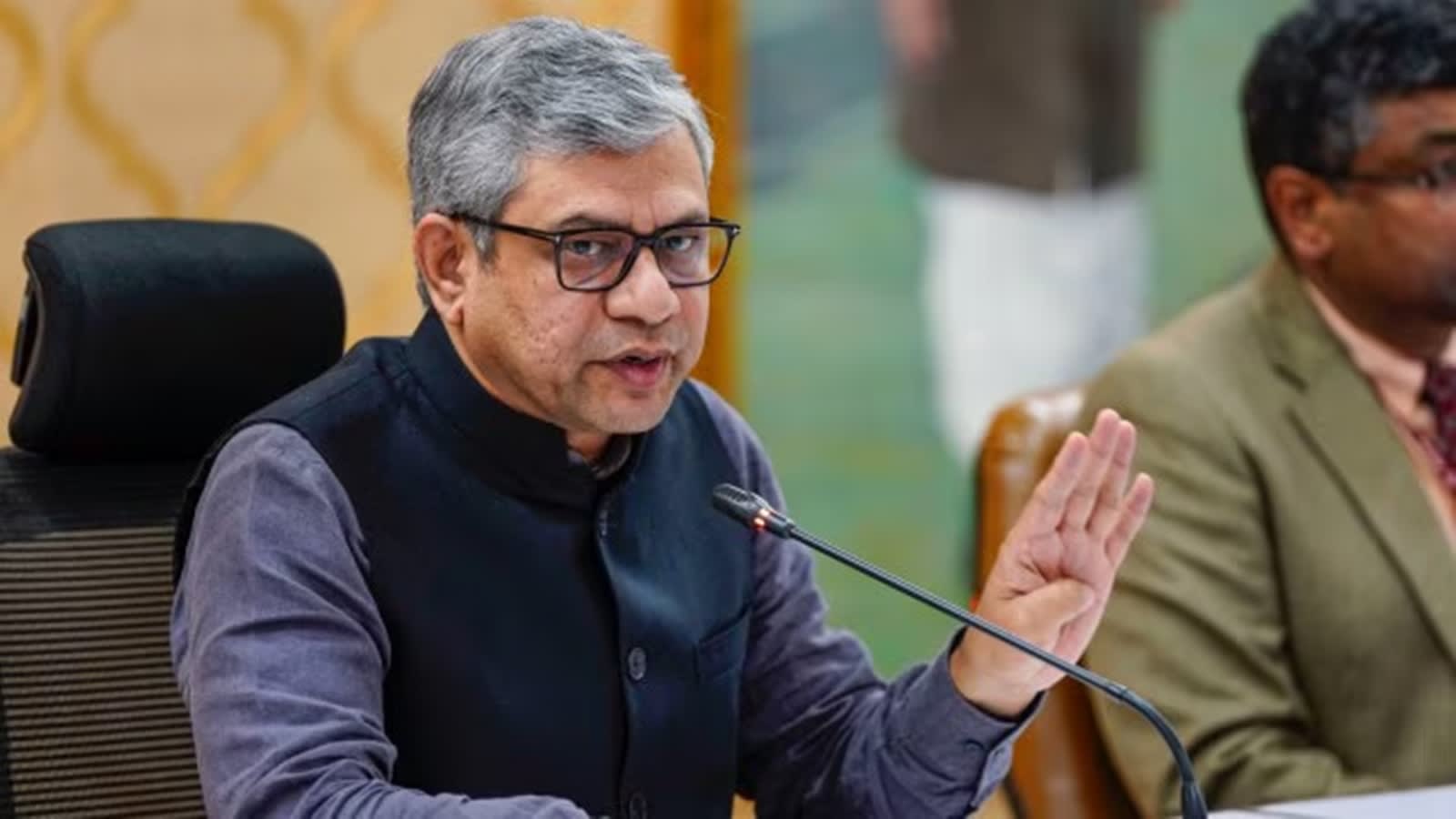
Minister for Railways Ashwini Vaishnaw has announced eight strategic reforms aimed at boosting freight transportation efficiency and enhancing the quality of railway construction projects, with specific focus on materials like fly ash.
Strategic Overhaul of Indian Railways: Analyzing the New Freight and Construction Reforms
Minister for Railways Ashwini Vaishnaw's announcement of eight comprehensive reforms marks a significant step in the Indian government's effort to modernize the nation's logistics backbone. By targeting both the efficiency of freight movement and the structural integrity of construction projects, the Ministry of Railways is addressing two of the most critical bottlenecks in India's transport sector. This initiative is not merely an administrative update but a strategic alignment with the broader goal of reducing national logistics costs, which currently remain higher than those of many developed economies.
Enhancing Freight Efficiency and Logistics Throughput
The focus on increasing freight movement is central to India's ambition of becoming a global manufacturing hub. The reforms are likely designed to streamline the movement of bulk commodities, reducing the turnaround time for wagons and optimizing the utilization of existing tracks. By improving the flow of goods, the government aims to support the 'Make in India' initiative, ensuring that raw materials and finished products move seamlessly across the subcontinent. This shift is crucial for reducing the dependency on road transport, which is often more expensive and environmentally damaging for long-haul bulk transport.
Prioritizing Construction Quality and Infrastructure Longevity
Parallel to the operational reforms, the Minister's emphasis on construction quality addresses a historical pain point in large-scale infrastructure projects. As the Indian Railways undergoes a massive expansion—including the development of new lines, station redevelopment, and the implementation of high-speed corridors—the risk of suboptimal construction increases. By implementing strict quality reforms, the Ministry is attempting to ensure that new assets have a longer lifecycle and lower maintenance costs. This proactive approach to quality control is essential to avoid the costly retrofitting and repairs that often plague rapidly executed public works.
The Role of Fly Ash and Environmental Integration
One of the specific highlights of the announcement pertains to the transportation of fly ash. Fly ash, a byproduct of coal-fired power plants, is a critical raw material for the cement and brick-making industries. By optimizing the freight movement of fly ash, the government is effectively linking power generation with sustainable construction. This not only solves a waste management problem for power plants but also provides a cheaper, more sustainable alternative to traditional building materials, thereby aligning the railway's operational goals with national environmental targets.
Broader Economic Implications and the Gati Shakti Framework
These reforms do not exist in a vacuum; they are deeply integrated with the PM Gati Shakti National Master Plan for multi-modal connectivity. By improving the reliability and capacity of rail freight, the government is creating a more cohesive ecosystem where rail, road, and port connectivity are synchronized. The economic ripple effect of these reforms will likely be felt in the industrial sector, where lower transportation costs lead to more competitive pricing for Indian exports in the global market.
Future Outlook: Towards a High-Capacity Rail Network
Looking ahead, these eight reforms are expected to pave the way for further digitalization and automation within the freight sector. We can anticipate a move toward more dynamic pricing and real-time tracking of freight, further reducing the friction in the supply chain. As the Dedicated Freight Corridors (DFCs) become fully operational, the synergy between these new quality reforms and high-capacity infrastructure will likely result in a paradigm shift in how India moves its economy.
Conclusion
In summary, Minister Ashwini Vaishnaw's reforms represent a dual-track strategy of operational optimization and quality assurance. By focusing on the movement of critical materials like fly ash and enforcing higher construction standards, the Ministry of Railways is laying the groundwork for a more resilient, efficient, and sustainable transport network that is capable of supporting India's long-term economic aspirations.