Assam: No Bridge, So Children Forced To Cross Two Rivers By Boat To Reach School | HT India
Source Entity
Latest News: Todays Latest News Headlines from India & World | Hindustan Times | Hindustan Times
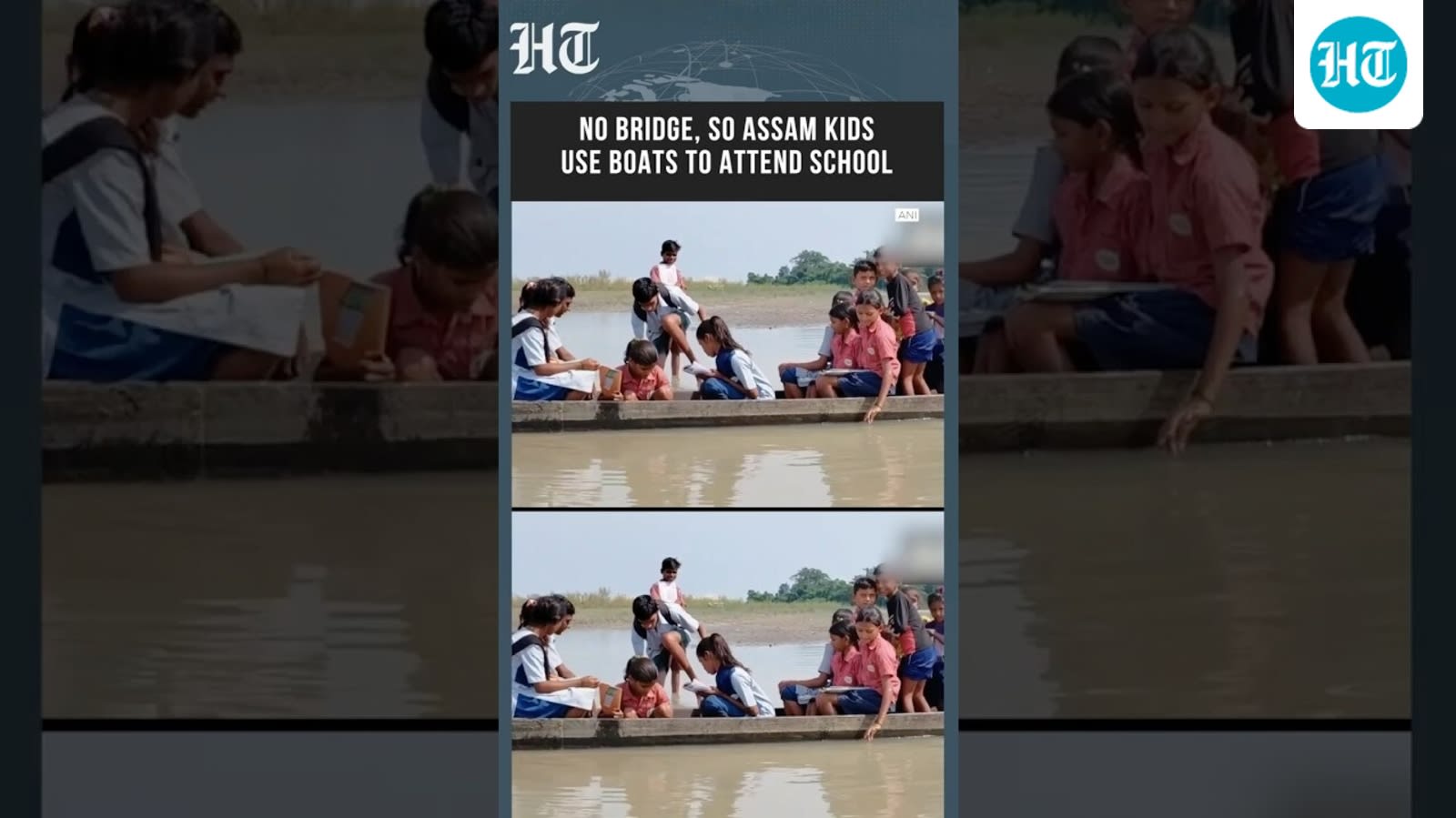
Students in Assam's Dhemaji district must traverse two rivers by boat daily to attend school due to a lack of bridge infrastructure. This situation underscores the persistent challenges in rural connectivity and its direct impact on educational access.
The Perilous Journey to Education in Dhemaji
In the Dhemaji district of Assam, a stark reality persists for school-going children who must navigate the treacherous waters of the Lali and Budi Sauti rivers daily. The absence of a permanent bridge forces these students to rely on boat transport, transforming a basic necessity—access to education—into a high-stakes daily routine. This situation serves as a visual testament to the infrastructure gaps that continue to plague remote corners of India, where geography often dictates the limits of social and economic mobility.
Infrastructure Gaps and Rural Connectivity
The reliance on makeshift boat crossings is not merely a logistical inconvenience; it is a critical infrastructure deficit. In regions prone to seasonal flooding, such as the riverine landscapes of Assam, the lack of bridges creates a significant barrier to development. When infrastructure fails to keep pace with the needs of rural populations, it is the most vulnerable—in this case, students—who bear the brunt of the isolation, effectively restricting their ability to engage with formal schooling consistently throughout the year.
The Human Cost of Educational Barriers
Beyond the physical risk of river crossings, the psychological and academic toll on these children is profound. The time spent in transit, combined with the inherent dangers of navigating two distinct river systems, creates an environment where attending school becomes an act of resilience rather than a standard expectation. This daily struggle highlights how infrastructure projects are not just matters of civil engineering, but essential human rights initiatives that safeguard the right to education.
Historical Context of Assam’s Riverine Geography
Assam’s geography, defined by its complex network of rivers and seasonal inundation, has historically challenged the state’s developmental trajectory. The Dhemaji district, frequently impacted by Brahmaputra tributaries, often faces significant hurdles in maintaining year-round connectivity. The specific case of the Lali and Budi Sauti rivers underscores the long-standing tension between traditional transit methods and the modern requirement for all-weather, safe, and efficient transportation infrastructure.
Broader Implications for Social Development
The failure to bridge these rivers hinders more than just school attendance; it limits access to health, emergency services, and broader economic opportunities for the entire community. When students are forced to prioritize physical safety over educational continuity, the ripple effects are felt across generations. Addressing these specific connectivity issues is a prerequisite for ensuring that rural development goals are met with tangible results rather than just policy aspirations.
Looking Toward Sustainable Solutions
Moving forward, the situation in Dhemaji necessitates a shift toward sustainable and resilient infrastructure planning. The focus must be on prioritizing river-crossing projects that account for the unique hydrological challenges of the region. By integrating robust engineering solutions with the specific needs of rural students, authorities can mitigate these risks and provide a secure pathway for the next generation to pursue their academic goals without the constant specter of danger.
Verification Required?