Elephants facing anthropogenic hazards in Assam
Source Entity
India Latest News: Top National Headlines Today & Breaking News | The Hindu
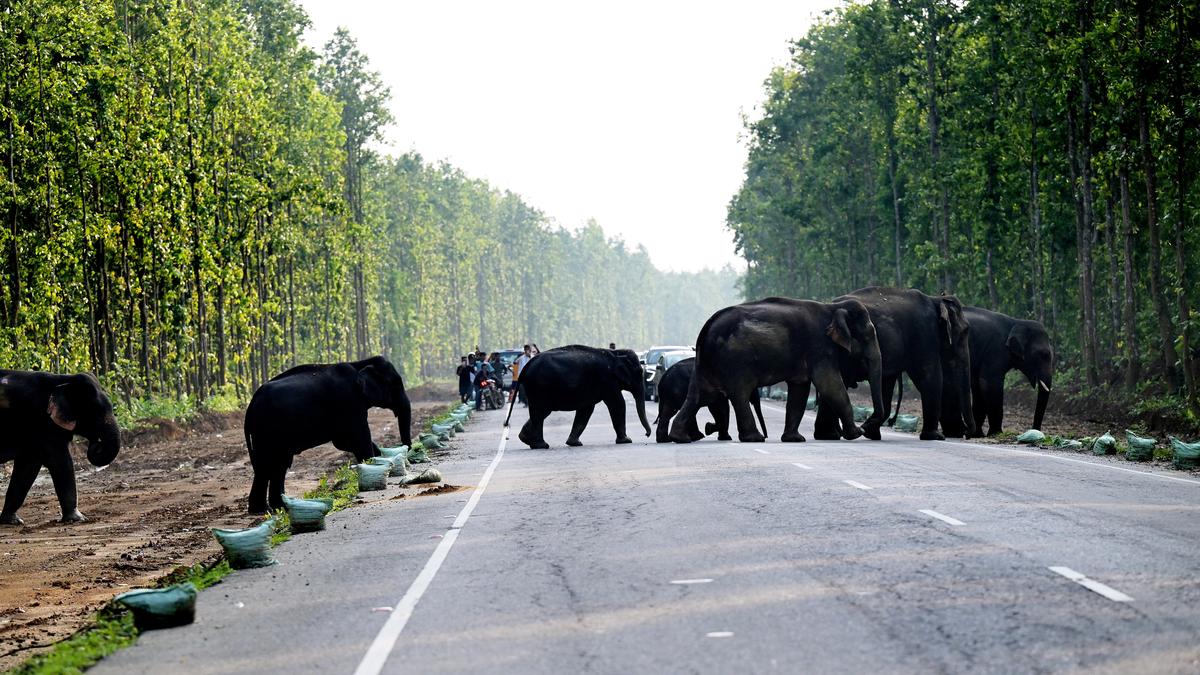
Assam wildlife officials recently rescued two elephants from dangerous anthropogenic hazards, including a wire-mesh snare and a discarded tractor tyre. These incidents highlight the growing conflict between human waste and wildlife habitats in the region.
The Growing Threat of Anthropogenic Hazards to Assam's Elephants
Recent reports from the state of Assam have highlighted a disturbing trend regarding the safety of its wild elephant populations. Within a single week, wildlife authorities were forced to intervene in two separate cases of human-induced distress: one involving a female elephant trapped by a wire-mesh snare near Raimona National Park, and another concerning a sub-adult elephant wandering with a heavy tractor tyre lodged around its neck in the Bukhial Tea Estate of the Golaghat district.
The Mechanics of Human-Wildlife Conflict
These incidents underscore the increasing prevalence of anthropogenic hazards—dangers created or left behind by human activity—within natural habitats. The tractor tyre, which officials believe was likely abandoned in the forest, represents a significant physical impediment that can lead to infection, restricted movement, and even starvation for a growing sub-adult. Similarly, the use of wire-mesh snares, often intended for smaller game or as agricultural deterrents, poses a lethal threat to the trunks of elephants, which are vital for their feeding and social communication.
Collaborative Rescue Efforts
The successful interventions in these cases were the result of rapid mobilization by the Golaghat Forest Division and the Centre for Wildlife Rehabilitation and Conservation (CWRC). By monitoring the herd’s movement and utilizing professional veterinary expertise, the teams were able to sedate or restrain the animals just long enough to remove the obstructions. Such operations are high-stakes, requiring not only technical skill but also the cooperation of local communities who often provide the first reports of distressed animals.
Broader Ecological Implications
The persistent presence of human debris, such as discarded automotive parts and industrial wire, in elephant corridors reflects a larger challenge of waste management in rural and fringe-forest areas. As these elephants traverse tea estates and national park boundaries, they encounter a landscape increasingly littered with non-biodegradable materials. This necessitates a more robust approach to environmental enforcement and community education regarding the disposal of hazardous materials near protected habitats.
Future Trends and Mitigation
Looking ahead, the frequency of these incidents suggests that conservation strategies must shift from reactive rescues to proactive prevention. This includes stricter regulation of agricultural trapping methods and better waste disposal protocols for tea estates and industrial sites bordering wildlife corridors. Without a concerted effort to clean up these human-induced hazards, the risk of injury and long-term debilitation for Assam’s elephant population will likely continue to rise, threatening the health of the species in the region.
Conclusion
The dual rescue operations in Assam serve as a critical reminder of the intersection between human development and wildlife survival. While the successful removal of the tyre and the treatment of the snare wound are commendable feats of conservation work, they highlight a systemic issue that requires immediate attention from both policymakers and local stakeholders to ensure that the natural environment remains safe for its inhabitants.
Multiple Citing Sources
Verification Required?