Death Count In Assam Floods Reaches 100, Nearly 1.4 Lakh Affected
Source Entity
NDTV News Search Records Found 1000
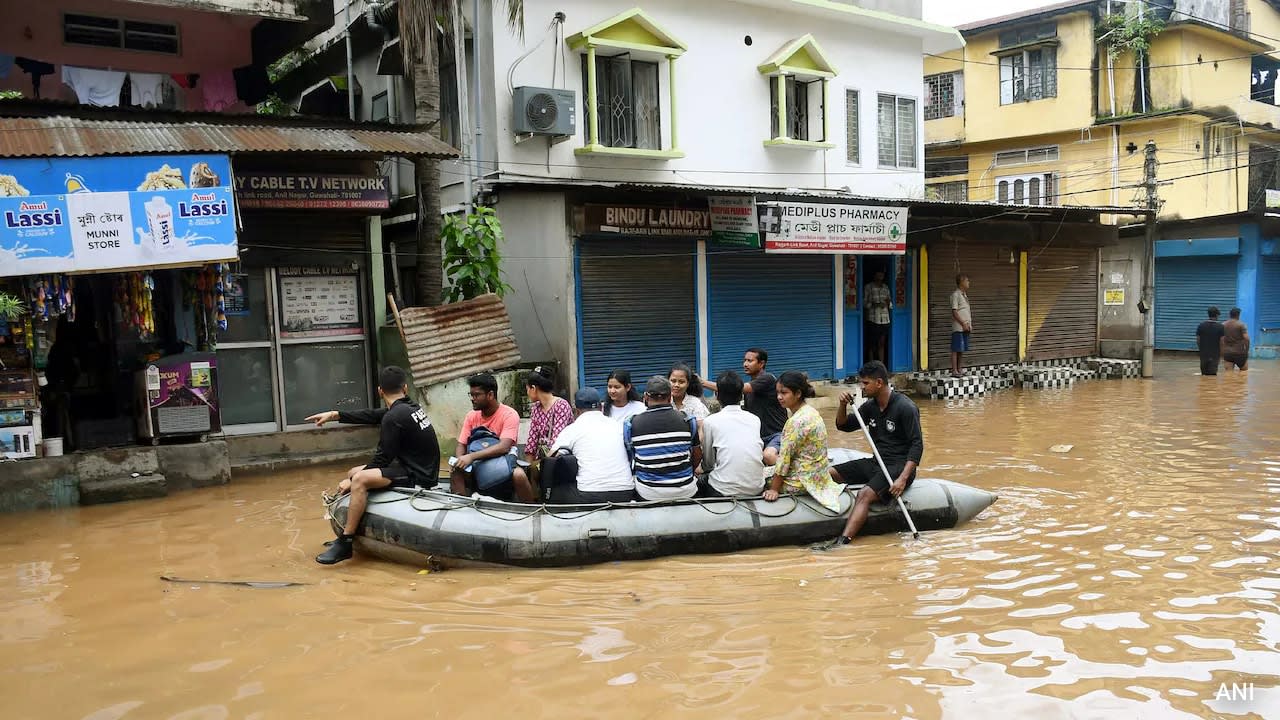
Assam's devastating flood crisis has claimed 100 lives, with 456 villages still submerged across the state. The government has launched a formal damage assessment survey to facilitate compensation and rehabilitation efforts by mid-September.
The Assam Flood Crisis: A Humanitarian Emergency
The state of Assam is currently grappling with a severe humanitarian crisis as the death toll from the ongoing flood situation has reached 100. This tragic milestone underscores the vulnerability of the region to extreme weather events, which have left 456 villages inundated and caused widespread displacement. The loss of life includes a demographic breakdown of 60 men, 23 women, and 18 children, highlighting the indiscriminate impact of the deluge on the state's population.
Challenges in Disaster Reporting and Management
Managing data during such large-scale calamities is inherently difficult, as evidenced by the recent revisions made by the Disaster Reporting and Information Management System (DRIMS). Authorities had to correct a reporting error in the Sivasagar district, where a fatality was inadvertently recorded twice. This adjustment, which revised the district's toll from 50 to 49, emphasizes the logistical hurdles local administrations face when coordinating relief efforts across multiple affected districts during active flooding.
The Path to Recovery: Damage Assessment
In response to the devastation, the Assam state government has initiated a comprehensive damage survey to quantify the losses suffered by residents. Running through August 30, this assessment is critical for the government’s plan to begin compensation and rehabilitation efforts by mid-September. The survey is currently focused on the worst-hit districts, including Sibsagar, Charaideo, Jorhat, and Golaghat, which have been struggling with the aftermath of heavy flooding since July 19.
Economic and Infrastructure Impact
Beyond the tragic loss of human life, the floods have wreaked havoc on the local economy and infrastructure. The deluge has destroyed hundreds of houses and resulted in the death of thousands of livestock, which serves as a primary source of livelihood for many rural families in the region. Furthermore, urban centers like Guwahati have faced significant disruption, with torrential rains leading to waterlogged roads and paralyzed daily activity. The long-term economic impact of these losses will necessitate significant state intervention.
Historical Context and Future Outlook
Assam’s geography, defined by the Brahmaputra River and its tributaries, makes it historically prone to seasonal flooding. However, the intensity and frequency of these events in recent years have strained existing disaster management frameworks. The current commitment to systematic surveys and targeted compensation represents a shift toward more structured recovery, yet the recurring nature of the floods suggests a need for long-term infrastructural investment and climate-resilient urban planning to mitigate future risks to life and property.
Conclusion
As the state moves from the emergency rescue phase to the damage assessment phase, the focus remains on the well-being of the nearly 1.4 lakh people affected. With the survey process underway, the government's ability to deliver timely financial aid and rehabilitation support will be the primary determinant in how quickly these devastated communities can return to normalcy.
Multiple Citing Sources
Verification Required?