I turned off my algorithm for 24 hours. Is this how social media used to be?
Source Entity
Caitlin Cassidy
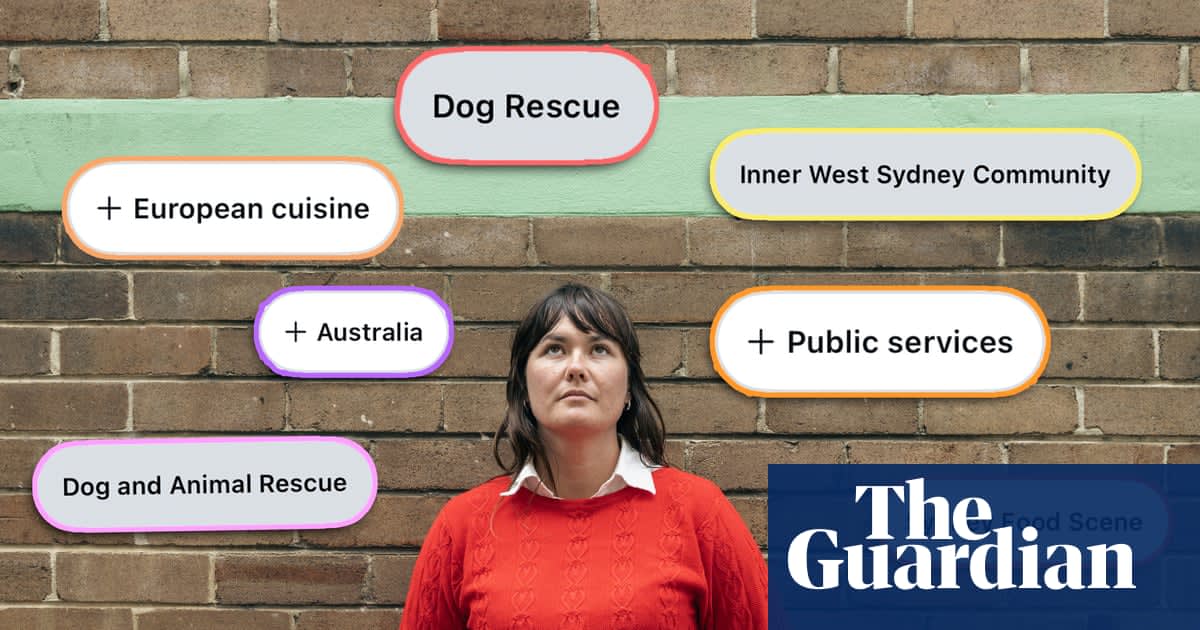
The Australian government has proposed 'my feed, my way' reforms to allow users to opt-out of social media algorithms. This move highlights the growing tension between personalized digital curation and user autonomy.
The Algorithmic Dilemma: Australia’s Push for Digital Autonomy
In a significant move toward digital regulation, the Australian government has announced what it describes as "world-leading" reforms titled "my feed, my way." This initiative seeks to grant users the fundamental right to opt-out of the algorithmic curation that currently dictates the content flow on major social media platforms. By challenging the status quo of engagement-driven feeds, the government is positioning itself at the forefront of a global debate regarding user agency in the digital age.
The Allure of the Curated Experience
Social media algorithms have become remarkably adept at acting as a "perfectly curated window" into individual psychology. As evidenced by the viral nature of content—such as the recent, bizarre instance of a woman spilling a bucket of eels on a Chinese train—these systems are designed to provide constant, tailored distractions. They function by identifying exactly what will "tickle" a user's mind, effectively turning social media into a personalized echo chamber that balances entertainment with the persistent anxiety of modern life.
The Impact of Algorithmic Control
While the convenience of a curated feed is undeniable, it creates a dependency that effectively masks the wider world. The ease with which a user can consume, share, and re-watch niche content reflects the power of these systems to hold attention. However, this level of personalization often comes at the cost of serendipity and broader exposure to diverse viewpoints, as the algorithm prioritizes "gentle distractions" over informational breadth.
Legislative Intervention and User Choice
The "my feed, my way" proposal represents a legislative attempt to strip back this layer of artificial curation. By mandating an opt-out mechanism, the Australian government is essentially asking: what does social media look like when the algorithm is turned off? This is not merely a technical adjustment; it is a profound socio-political shift that questions whether platforms should be allowed to dictate our digital reality or if that power should reside solely with the user.
Future Trends in Digital Regulation
If implemented, these reforms could set a global precedent, forcing tech giants to pivot from engagement-centric models to transparency-centric ones. The move suggests a future where "chronological feeds" or user-defined content filters become standard, potentially diminishing the addictive nature of current platforms. As governments worldwide watch Australia’s progress, the tech industry may be forced to rethink the ethics of algorithmic design in favor of greater user autonomy and digital well-being.