Australian backlash to datacentres is faux import from US, officials say: ‘We are not the United States’
Source Entity
Josh Taylor Technology reporter
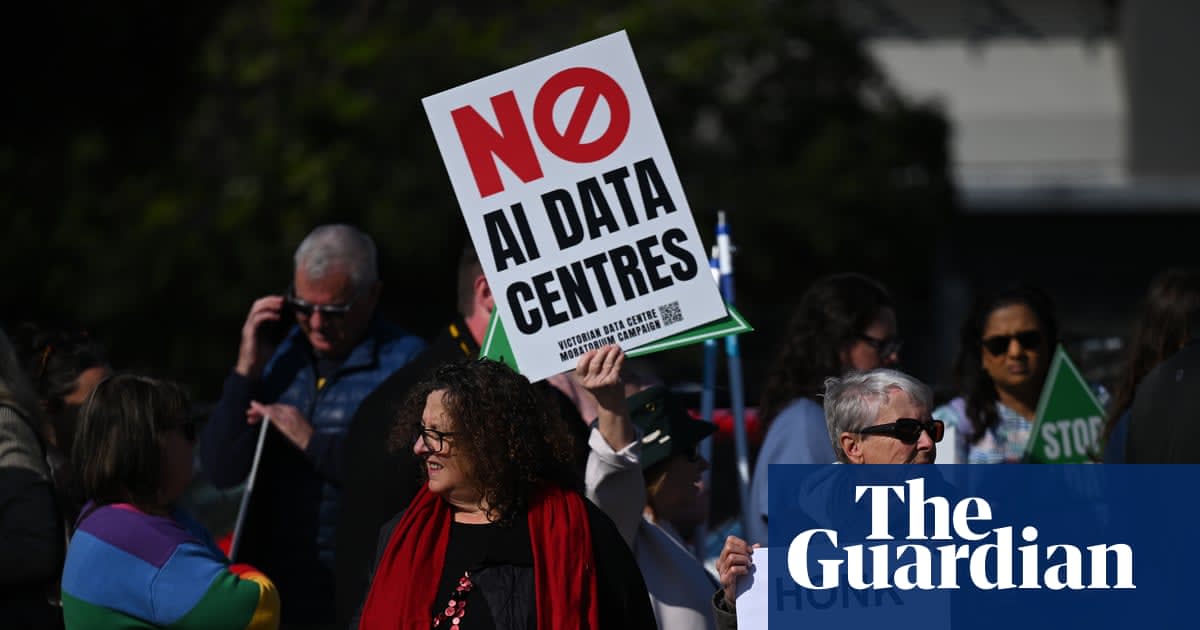
Australian officials claim public resistance to AI datacentres is an imported sentiment from the US. They argue Australia's infrastructure is smaller and more regulated, seeking to curb rising local opposition.
The Trans-Pacific Contagion: Assessing the Australian Datacentre Backlash
The Rise of Digital Infrastructure Concerns
In 2026, Australia has experienced a significant escalation in public discourse surrounding the rapid expansion of artificial intelligence (AI) datacentres. As these massive facilities become foundational to the modern digital economy, their physical footprint has triggered a wave of community resentment. This resistance, which mirrors global trends, is now a focal point of national debate, pitting the necessity of technological advancement against local environmental and social concerns.
Dissecting the 'Imported' Narrative
Australian politicians and industry leaders have pushed back against this rising tide of criticism by characterizing it as a 'faux import' from the United States. The core of their argument is that the anti-datacentre sentiment currently permeating Australian social media feeds is not rooted in local operational realities but is rather a reflection of the heated, polarized debate occurring in the US. By framing the dissent as an external cultural imposition, officials are attempting to decouple the Australian buildout from the controversies surrounding American "hyperscale" facilities.
Comparative Realities: Australia vs. The United States
Proponents of the Australian datacentre expansion emphasize that the domestic landscape is fundamentally different from that of the United States. They argue that the scale of construction within Australia is substantially smaller and subject to more rigorous regulatory oversight. By highlighting these differences, industry stakeholders aim to reassure the public that the environmental and infrastructure stressors observed in the US—such as massive water consumption and grid strain—are being proactively managed and mitigated within the Australian regulatory framework.
The Role of Social Media in Shaping Sentiment
An underlying theme in this controversy is the role of digital platforms in accelerating and globalizing local grievances. According to officials, the resentment has been "tainted and inflamed" by the rapid cross-pollination of US-centric digital content. This highlights a modern geopolitical challenge where the narrative surrounding critical infrastructure is no longer bound by national borders, as social media algorithms amplify global concerns that may not accurately reflect the specific regulatory or geographic context of the host country.
Future Implications and Policy Directions
As the conversation intensifies, the challenge for Australian leaders will be to address genuine community concerns while preventing the debate from becoming a casualty of external cultural polarization. If the backlash continues to grow, it may necessitate a more transparent dialogue between the government and the public regarding the specific safeguards in place for Australian datacentres. Failing to effectively localize the narrative could lead to restrictive zoning policies or a slowdown in digital infrastructure investment, potentially impacting Australia's long-term AI competitiveness.
Conclusive Summary
The current friction between Australian proponents of AI infrastructure and the local populace illustrates the complexities of the global digital transition. While officials are keen to dismiss the opposition as an imported phenomenon, the growing national conversation suggests that the concerns are becoming deeply embedded in the Australian consciousness. Addressing this will require a delicate balance between maintaining necessary technological growth and ensuring that the public feels their specific local grievances are being heard and addressed by policymakers.